A home requires regular attention to remain comfortable, functional, and well-maintained. Over time, everyday use, changing weather, and normal wear can affect different parts of a property. Small issues may develop gradually, making them easy to overlook until they begin interfering with daily routines or require more extensive repairs. Taking a consistent approach to home upkeep can help property owners address these concerns before they become more difficult to manage.
Maintenance involves more than keeping rooms clean and outdoor spaces tidy. It also includes caring for essential systems, monitoring structural features, and addressing areas exposed to moisture, dirt, and seasonal changes. Heating and cooling equipment, plumbing, ventilation, and wastewater systems all contribute to how a home functions. Exterior features, including trees, walkways, and siding, also benefit from periodic attention.
Creating a routine can make these responsibilities easier to manage throughout the year. Some tasks may need attention every few months, while others are best handled annually or when specific signs of wear appear. Professional services can also help homeowners evaluate conditions, complete specialized maintenance, and identify concerns that may need further attention. By understanding common upkeep needs, homeowners can make informed decisions that support the condition and long-term care of their properties.
Maintaining Healthy Trees and Managing Overgrown Branches
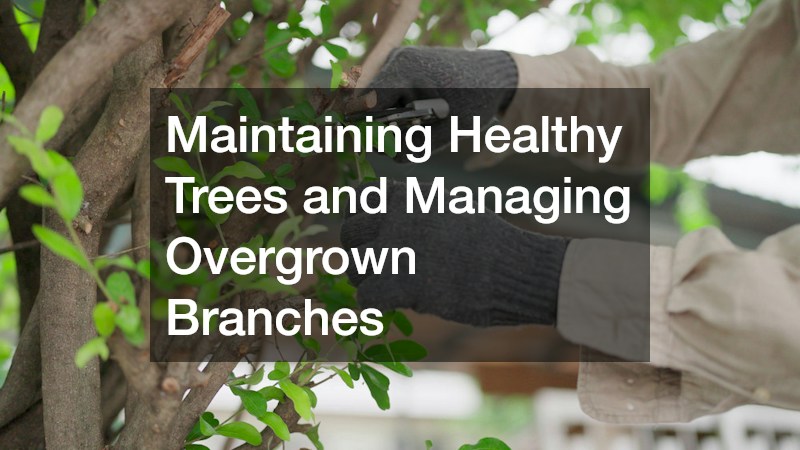
Trees contribute shade, privacy, and visual appeal to residential properties. However, they also require periodic care to remain healthy and avoid creating potential hazards. Overgrown branches can extend toward roofs, windows, power lines, and nearby structures. Dead or damaged limbs may also become more likely to fall during strong winds or severe weather.
Regular tree trimming helps manage growth and remove branches that may interfere with nearby structures or outdoor areas. Proper pruning can also support a tree’s overall condition by removing damaged or diseased sections. The appropriate approach depends on the tree species, its age, its location, and the condition of its branches. Cutting too much at once or removing branches incorrectly can place unnecessary stress on a tree.
Homeowners should pay attention to visible signs that a tree may need professional attention. These can include dead limbs, branches rubbing against the roof, uneven growth, or sections that appear damaged. Trees growing close to structures may also require periodic evaluation as their canopies expand.
A qualified tree care professional can assess the tree’s condition and recommend suitable maintenance. This is especially important when branches are large, elevated, or close to utility lines. Routine attention can help keep trees manageable while supporting the appearance and safety of the surrounding property.
Keeping Heating and Cooling Systems in Working Order
Heating and cooling equipment plays an important role in maintaining a comfortable indoor environment throughout the year. These systems operate regularly, often for extended periods during extreme temperatures. Without appropriate maintenance, components may become dirty, airflow may become restricted, and equipment may experience additional strain.
Routine HVAC Service can help identify developing concerns and keep heating and cooling equipment operating as intended. Maintenance appointments may include inspecting system components, checking electrical connections, evaluating airflow, and reviewing thermostat operation. Technicians may also examine filters, coils, condensate drains, and other parts that affect system performance.
Air filters deserve particular attention because they collect dust and other airborne particles as air circulates through the home. A clogged filter can restrict airflow and make equipment work harder to maintain the desired temperature. Filter replacement frequency depends on the filter type, household conditions, and manufacturer recommendations. Homes with pets or higher dust levels may require more frequent attention.
Homeowners should also pay attention to changes in system performance. Uneven temperatures, unusual noises, reduced airflow, or repeated cycling may indicate a developing problem. Addressing these signs promptly can help prevent additional strain on the equipment.
Professional maintenance is also an opportunity to discuss the system’s condition and expected service needs. Keeping records of inspections and repairs can help homeowners track equipment performance and plan for future maintenance or replacement.
Refreshing Interior Spaces With Proper Paint Care
Interior paint contributes to a home’s appearance while providing a protective finish for walls, ceilings, and other surfaces. Over time, everyday activity can leave behind scuffs, stains, fading, and areas of peeling or chipped paint. Kitchens, hallways, bathrooms, and children’s rooms may show wear more quickly because they experience frequent use.
Maintaining painted surfaces begins with understanding the type of finish and the condition of the underlying material. Some marks can be addressed with appropriate cleaning methods, while more extensive damage may require surface preparation and repainting. Before applying new paint, surfaces may need to be cleaned, patched, sanded, or primed to support an even finish.
An interior house painter service can help homeowners update rooms and address areas that have become worn or damaged. Professional painters can evaluate wall conditions, recommend suitable products, and prepare surfaces before applying new coatings. Proper preparation is important because paint may not adhere well to dirty, uneven, or deteriorating surfaces.
Paint selection also affects the appearance and maintenance needs of a room. Different finishes offer varying levels of sheen and durability, so the best option may depend on the surface and how the room is used. For example, frequently used spaces may benefit from finishes that are easier to clean, while other areas may call for a different appearance.
Regularly checking painted surfaces can help homeowners identify moisture stains, bubbling, or peeling. These conditions may point to an underlying issue that should be addressed before repainting. Taking care of the source of the damage can help preserve the new finish and prevent recurring problems.
Preventing Buildup and Blockages in Household Plumbing

Household plumbing systems support everyday activities such as cooking, cleaning, bathing, and laundry. Because drains and pipes are used frequently, they can collect grease, soap residue, hair, food particles, and other materials. Over time, this buildup may restrict water flow or contribute to unpleasant odors and recurring clogs.
Drain and pipe cleaning can help address accumulated debris and restore proper drainage. Professional services may use specialized equipment to evaluate pipes and remove obstructions without relying on methods that could damage the plumbing system. The appropriate approach depends on the location, severity, and cause of the blockage.
Homeowners can watch for warning signs that a drain may need attention. Water draining slowly, recurring clogs, gurgling sounds, or unpleasant smells near fixtures may indicate a developing problem. If several drains are affected at the same time, the issue could involve a larger portion of the plumbing system rather than one fixture.
It is important to consider what enters household drains. Grease, cooking oils, wipes, and other unsuitable materials can contribute to blockages or plumbing damage. Even products labeled as flushable may not break down as easily as toilet paper. Being mindful of everyday disposal habits can help reduce unnecessary strain on pipes.
Recurring drainage problems should be evaluated rather than repeatedly treated as isolated clogs. A plumbing professional can inspect the affected areas, identify possible causes, and recommend appropriate repairs or cleaning. Addressing the underlying issue can help reduce repeat problems and support reliable plumbing performance.
Knowing When to Seek Professional Heating and Cooling Support
Heating and cooling systems can develop problems even when homeowners follow routine maintenance recommendations. Components may wear out, electrical issues may occur, and equipment can become less effective as it ages. Recognizing when professional attention is needed can help homeowners respond before a minor concern affects the entire system.
An experienced HVAC company can inspect equipment that is making unusual noises, producing inconsistent temperatures, or failing to maintain the selected thermostat setting. Other warning signs may include weak airflow, frequent system shutdowns, unusual odors, or unexpectedly high energy use. These symptoms can have several possible causes, so a professional evaluation is important before deciding which repairs are necessary.
The age and condition of the equipment also influence maintenance decisions. Older systems may require more frequent repairs or have difficulty keeping up with household heating and cooling needs. In some cases, replacing a system may be more practical than continuing to repair equipment with recurring problems. A technician can explain the available options based on the system’s condition and the home’s requirements.
Homeowners should also consider whether their current equipment is appropriately sized for the property. A system that is too large or too small may have difficulty maintaining consistent temperatures and may operate inefficiently. Changes to the home, such as additions or renovations, can affect heating and cooling requirements.
Scheduling an inspection when performance changes can help identify the source of a problem. Professional recommendations can also help homeowners understand which repairs are necessary, which maintenance tasks should be prioritized, and what to expect from aging equipment.
Maintaining Wastewater Systems With Routine Inspections and Care
Homes that rely on septic systems need ongoing attention to keep wastewater moving and being treated properly. A septic system typically includes a tank and a drain field, along with connecting pipes and other components. Wastewater enters the tank, where solids settle and natural processes help separate materials before the liquid moves into the drain field.
Routine maintenance is important because solids gradually accumulate in the tank. If the tank is not pumped when needed, excess material may interfere with system operation or move into areas that are not designed to hold it. The timing of service depends on factors such as tank size, household occupancy, water use, and the amount of solid waste entering the system.
Septic cleaning companies can inspect and pump tanks as part of routine system care. A professional may also look for signs of damage, leaks, or other conditions that could affect performance. Homeowners should keep records of pumping dates, inspections, and repairs to help track maintenance needs over time.
Certain warning signs may indicate a septic problem. These can include slow drains throughout the home, sewage odors, unusually wet areas near the drain field, or wastewater backing up into plumbing fixtures. These issues should be evaluated promptly because they may indicate a problem with the tank, pipes, or drain field.
Everyday water use can also affect septic system performance. Excessive water entering the system in a short period may interfere with normal treatment and drainage. Homeowners should follow professional recommendations for water use and avoid disposing of grease, wipes, chemicals, or other unsuitable materials through household plumbing.
Improving Indoor Airflow Through Regular Ventilation Maintenance
Indoor air circulates through a home as heating and cooling systems operate. Dust, pet hair, and other particles can collect in different parts of the ventilation system over time. Although filters capture some airborne material, other debris may accumulate in ductwork and components that are not regularly accessed.
An air duct cleaning service can evaluate ventilation components and determine whether cleaning is appropriate. The need for service depends on factors such as visible dust buildup, recent construction, moisture problems, pest activity, and the overall condition of the system. Cleaning is not necessarily required on a fixed schedule for every home, so an inspection can help determine whether it is warranted.
Homeowners may notice dust around supply vents, reduced airflow from certain registers, or unusual odors when the heating or cooling system operates. These signs do not always mean that ductwork needs cleaning, since other issues may produce similar symptoms. A professional can inspect the system and help identify the likely source.
Ventilation maintenance involves more than the ducts themselves. Filters, vents, grilles, and other system components also contribute to airflow. Keeping these areas in appropriate condition can support the operation of heating and cooling equipment. Homeowners should follow manufacturer recommendations for filter replacement and avoid blocking supply or return vents with furniture or other household items.
Moisture concerns deserve particular attention because damp conditions can contribute to microbial growth. If there is evidence of water intrusion or persistent condensation, the source should be addressed rather than relying on cleaning alone. Maintaining suitable indoor humidity and resolving leaks can help protect ventilation components and surrounding building materials.
Keeping Fireplace and Venting Systems Clean and Safe
Fireplaces can provide warmth and add character to a living space, but they require regular attention when used. Wood-burning fireplaces produce smoke and combustion byproducts that travel through the chimney. Over time, creosote, soot, and other residue can collect along the interior surfaces. Excessive creosote buildup can create a fire hazard if it is not addressed.
A professional chimney sweep can inspect and clean the system as appropriate. The service may involve checking the firebox, flue, damper, and other accessible components for buildup, obstructions, or visible damage. Inspections can also help identify issues that may affect how smoke exits the home.
Homeowners should watch for signs that a fireplace or chimney needs attention. These may include smoke entering the room, unusual odors, visible residue around the fireplace, or difficulty maintaining a fire. Birds, leaves, and other debris can also obstruct chimney openings, potentially interfering with ventilation.
The frequency of inspection and cleaning depends on how often the fireplace is used, the type of fuel burned, and the system’s condition. Following professional recommendations is important because buildup and deterioration may not be visible from the living area.
Proper operation also matters. Burning appropriate fuel, keeping combustible materials away from the fireplace, and using the system according to manufacturer instructions can support safer use. Homeowners should have concerns evaluated rather than continuing to use equipment that appears damaged or does not vent properly.
Removing Dirt and Buildup From Exterior Surfaces
Exterior surfaces are regularly exposed to rain, wind, pollen, dust, and other environmental conditions. Over time, these materials can collect on siding, driveways, patios, walkways, and other areas around a home. Organic growth may also develop in shaded or damp locations, affecting the appearance of the property and sometimes contributing to surface deterioration.
A power washing service can remove accumulated dirt and residue from suitable exterior materials. Professional providers can evaluate the surface and determine the appropriate cleaning method and pressure level. This distinction is important because excessive pressure may damage siding, wood, painted surfaces, or masonry.
Different materials require different care. Concrete may tolerate more intensive cleaning than delicate siding or older wood. Some areas may also need specialized cleaning solutions rather than high-pressure water. A professional assessment can help determine which approach is appropriate for each surface.
Exterior cleaning can be part of a broader maintenance routine. Homeowners may benefit from periodically checking driveways, patios, decks, and walkways for stains, algae, or other buildup. Cleaning these areas can improve the property’s appearance and make it easier to identify cracks, loose materials, or other concerns that need repair.
Caring for Outdoor Spaces Through Regular Yard Maintenance
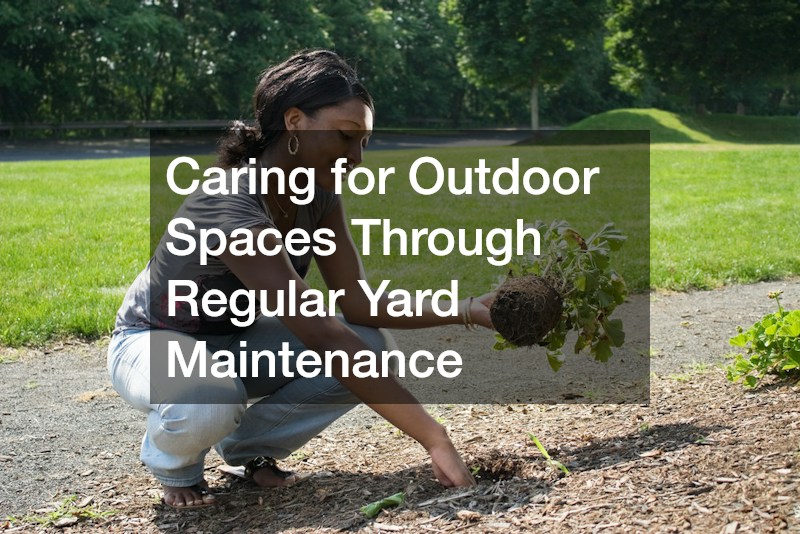
Outdoor areas contribute to a home’s overall appearance and provide space for recreation, relaxation, and everyday activities. However, lawns, gardens, shrubs, and planted areas require regular care to remain manageable. Seasonal growth, changing weather, and soil conditions can all affect the condition of a yard.
Consistent landscaping maintenance may include mowing, edging, pruning shrubs, managing weeds, and caring for planted areas. The specific tasks depend on the property’s layout, plant varieties, and seasonal needs. Some plants may require more frequent attention, while others need only occasional pruning or cleanup.
Homeowners should also pay attention to drainage and the condition of outdoor surfaces. Low areas where water collects may contribute to muddy conditions or affect nearby structures. Overgrown plants can block walkways, cover exterior fixtures, or interfere with visibility around driveways. Keeping outdoor areas organized can help make the property easier to maintain.
Seasonal cleanup is another important part of yard care. Removing fallen leaves, clearing debris, and preparing plants for changing temperatures can help keep outdoor spaces in suitable condition. Irrigation systems may also need periodic inspection to identify leaks, clogged sprinkler heads, or uneven coverage.
By understanding common maintenance needs and scheduling appropriate services, homeowners can take a more organized approach to property care. A consistent plan helps keep responsibilities manageable, supports the long-term condition of the home, and makes it easier to address problems as they arise.