
Why Knowing the Right Home Services Early Saves You Money and Stress
Buying your first home is exciting—but it also comes with a steep learning curve. Suddenly, you’re responsible for systems, structures, and services you may have never had to think about before. When something breaks, leaks, or stops working, stress can escalate quickly, especially if you don’t know who to call or what a fair price is.
The most confident homeowners aren’t the ones who know how to fix everything themselves. They’re the ones who understand which professionals they’ll need, when to call them, and how to prevent problems before they turn into emergencies. Building that knowledge early helps you protect your investment, avoid unexpected expenses, and enjoy your home rather than constantly worry about it.
This guide walks through the essential services every first-time homeowner should understand, with practical advice you can use right away. You’ll learn how to spot red flags before small issues grow into major repairs. You’ll also gain insight into which services are worth prioritizing during your first year of ownership. Along the way, you’ll discover how proactive maintenance saves time, money, and frustration. You’ll also pick up tips for establishing routines, tracking maintenance schedules, and organizing important documents. Knowing what to expect—and who to call—can reduce stress during emergencies and make day-to-day life smoother. By the end, you’ll feel more confident navigating homeownership decisions with clarity rather than guesswork, turning your new house into a well-maintained, comfortable home.
Plan Your Move Like a Pro and Avoid Costly First-Day Mistakes
Moving day is often the first real test of homeownership, and it sets the tone for everything that follows. Choosing reliable local movers can make the difference between a smooth transition and damaged walls, broken furniture, or unexpected fees. Planning ahead reduces stress and helps you stay in control when things don’t go exactly as expected. A well-organized move also protects your new home from avoidable wear and tear before you’ve even settled in. Taking the time to prepare ensures your first experience as a homeowner starts on the right foot.
Before booking anyone, take time to research companies that specifically operate in your area. Providers familiar with local streets, parking rules, and building layouts are far less likely to run into delays.
Helpful tips for a stress-free move-in:
- Get at least three written estimates and confirm whether pricing is hourly or flat-rate
- Ask about insurance coverage for furniture, appliances, and structural damage
- Clarify arrival windows and penalties for late delivery
- Take photos of walls, floors, and door frames before unloading begins
- Reserve parking spaces or elevators in advance if required
Once the move is complete, do a walkthrough before the movers leave. Catching issues immediately makes resolution much easier and helps protect your new home from avoidable damage.
Keep Your Home Comfortable Year-Round With Preventive Care
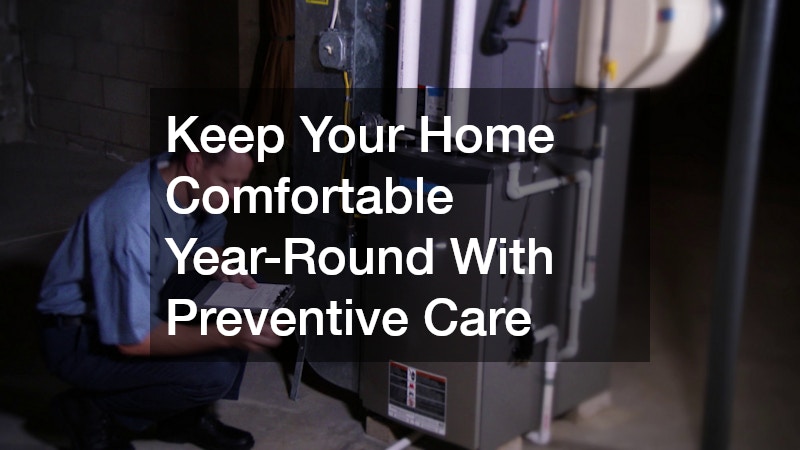
Few systems affect daily comfort more than heating and cooling. Scheduling early service with an HVAC company helps establish a performance baseline and catch problems before extreme weather exposes them. Many first-time homeowners wait until something breaks, which usually means higher repair costs and uncomfortable downtime. Proactive maintenance gives you time to make informed decisions instead of rushed ones. It also improves energy efficiency, helping keep monthly utility bills predictable. Regular checkups extend the life of your equipment and reduce the likelihood of emergency calls. Most importantly, a well-maintained system keeps your home comfortable year-round.
Routine Heating services are especially important in colder climates, where neglected systems can fail at the worst possible moment.
Steps new homeowners should take:
- Schedule a full system inspection within the first 60 days of ownership
- Replace air filters immediately, even if the seller claims they’re new
- Ask for maintenance records to understand the system age and prior issues
- Learn where shut-off switches and breakers are located
- Consider a maintenance plan to reduce emergency repair costs
Preventive care improves efficiency, extends equipment lifespan, and keeps energy bills predictable—an underrated win for new homeowners adjusting to monthly expenses.
Protect Your Home’s Structure and Outdoor Safety From Day One
Your roof and surrounding landscape quietly protect your home every day, yet they’re easy to overlook until something goes wrong. Even if your inspection report didn’t flag major issues, scheduling follow-ups with reputable roofing companies provides peace of mind and establishes documentation for future maintenance. Early evaluations can uncover minor wear before it turns into costly damage. Having records of professional assessments can also be helpful for insurance or resale purposes. Routine attention helps extend the life of your roof and prevents unexpected leaks. Staying ahead of exterior maintenance protects both your home’s structure and your long-term investment. At the same time, a professional tree service company can identify hazards that inspections often miss, such as unstable roots or branches hanging over the roof. Scheduling regular tree assessments can prevent storm damage and protect your family’s safety. Trimming or removing high-risk branches early reduces the risk of costly repairs to siding, gutters, and shingles. Healthy landscaping also helps maintain proper drainage, preventing erosion and water damage around your foundation. Partnering with trusted professionals ensures both your roof and trees remain assets rather than hidden liabilities.
Smart early actions include:
- Having a professional verify shingle condition, flashing, and drainage
- Checking for soft spots or discoloration in attic spaces
- Removing dead or leaning trees before storm season
- Trimming branches that touch or hover over the roof
- Coordinating tree and roof maintenance to prevent debris damage
These steps reduce the risk of leaks, mold, and storm-related repairs—some of the most expensive problems homeowners face.
Prevent Water Damage and Surprise Breakdowns Before They Happen
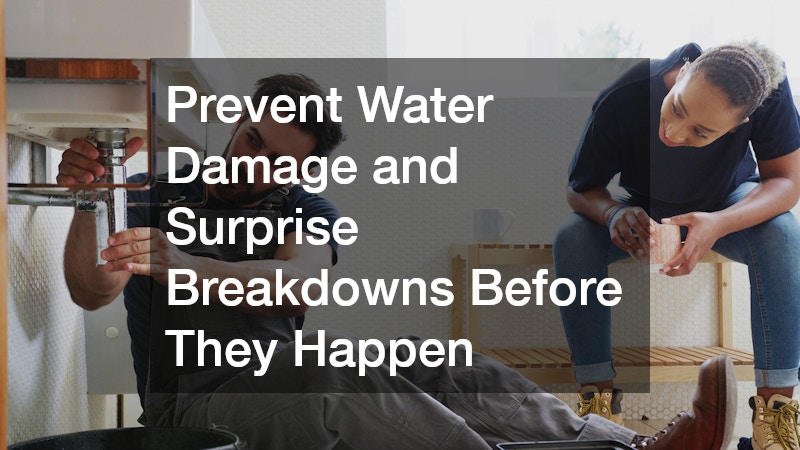
Water-related issues are among the most common and costly homeowner problems. Establishing a relationship with a reliable plumbing company early helps you understand your system and respond quickly if something goes wrong. One of the most overlooked components is the water heater. Even newer units can fail prematurely if they weren’t installed correctly, which is why working with a qualified water heater installation company matters. Routine inspections can reveal small issues, such as sediment buildup or pressure problems, before they cause damage. Knowing the age and condition of your system helps you plan for replacement rather than face an emergency. Taking proactive steps reduces the risk of leaks, water damage, and sudden hot-water loss. Keeping a maintenance log of inspections and repairs can save time and money in the long run. Additionally, knowing how to shut off your water supply in an emergency quickly can prevent significant damage and stress.
What first-time homeowners should do:
- Schedule a comprehensive plumbing inspection
- Locate and label the main water shut-off valve
- Check for corrosion, slow drains, or inconsistent water pressure
- Confirm the age and capacity of the water heater
- Ask about maintenance requirements and warranty coverage
Proactive attention reduces the risk of leaks, water damage, and sudden hot-water loss—problems that rarely occur at a convenient time.
Don’t Overlook Entry Points and Systems That Affect Daily Life
Garage doors are often the most frequently used entry point in a home, yet they receive very little attention. Worn components can pose safety risks and compromise security, which is why professional garage door companies play an important role in home maintenance.
A malfunctioning door isn’t just inconvenient—it can be dangerous, especially if springs or sensors fail. Regular inspections help catch wear and tear before it leads to sudden breakdowns. Proper maintenance also ensures the door opens and closes smoothly, reducing strain on the motor. Addressing small issues early can prevent costly repairs or full replacements later. A well-functioning garage door adds an extra layer of safety and peace of mind for your household.
A malfunctioning door isn’t just inconvenient—it can be dangerous, especially if springs or sensors fail. Regular inspections help catch wear and tear before it leads to sudden breakdowns. Proper maintenance also ensures the door opens and closes smoothly, reducing strain on the motor. Addressing small issues early can prevent costly repairs or full replacements later. A well-functioning garage door adds an extra layer of safety and peace of mind for your household.
Best practices for new homeowners:
- Test auto-reverse and safety sensors monthly
- Listen for grinding or uneven movement
- Inspect weather seals for drafts and pests
- Avoid DIY spring or cable repairs
- Schedule professional servicing for older doors
Well-maintained garage systems improve safety, reduce noise, and help maintain consistent indoor temperatures—especially when garages connect directly to living spaces.
Make Smart Upgrades Without Overextending Your Budget

Many first-time homeowners feel pressure to renovate immediately, but the smartest upgrades are usually the ones made with planning and patience. Professional home remodeling services can help prioritize projects that improve daily living without draining savings.
Before committing to any major changes, live in the home long enough to understand how you actually use the space. Start with small, high-impact improvements that address functionality rather than aesthetics. Create a detailed budget and timeline to avoid unexpected costs. Research multiple contractors and check references before hiring anyone. Consider the long-term value of each project and how it may affect resale. Phasing renovations gradually helps you stay organized and ensures that each improvement truly enhances your home life.
Before committing to any major changes, live in the home long enough to understand how you actually use the space. Start with small, high-impact improvements that address functionality rather than aesthetics. Create a detailed budget and timeline to avoid unexpected costs. Research multiple contractors and check references before hiring anyone. Consider the long-term value of each project and how it may affect resale. Phasing renovations gradually helps you stay organized and ensures that each improvement truly enhances your home life.
Tips for smart remodeling decisions:
- Focus first on safety, efficiency, and functionality
- Separate “must-have” upgrades from aesthetic wants
- Get detailed scopes of work and written timelines
- Confirm permits and local code requirements
- Phase projects to spread costs over time
Thoughtful upgrades enhance comfort and resale value while protecting your financial stability—a crucial balance for new homeowners.
Understand the Hidden System That Can Cost Thousands if Ignored
Homes that rely on a septic tank system require a different maintenance mindset than properties connected to municipal sewer lines. Many first-time homeowners aren’t familiar with how these systems work, which can lead to costly mistakes.
Learning the basics early helps prevent backups, contamination, and premature system failure. Regular inspections and timely pumping are essential to keep the system functioning properly. Avoid flushing anything that could clog or damage the tank, including wipes, grease, and harsh chemicals. Be mindful of water usage to prevent overloading the system. Protect the drain field by keeping vehicles and heavy equipment off the area. Understanding these practices ensures your septic system lasts for decades and saves you from expensive emergency repairs.
Learning the basics early helps prevent backups, contamination, and premature system failure. Regular inspections and timely pumping are essential to keep the system functioning properly. Avoid flushing anything that could clog or damage the tank, including wipes, grease, and harsh chemicals. Be mindful of water usage to prevent overloading the system. Protect the drain field by keeping vehicles and heavy equipment off the area. Understanding these practices ensures your septic system lasts for decades and saves you from expensive emergency repairs.
Essential septic care guidelines:
- Schedule inspections and pumping on a regular schedule
- Keep detailed service records
- Avoid flushing wipes, grease, or harsh chemicals
- Monitor for slow drains or unusual odors
- Protect the drain field from vehicles and heavy equipment
With proper care, septic systems can last decades. Neglect, however, can lead to repairs that cost far more than routine maintenance ever would.
Build a Trusted Home Service Network Before You Need It
Your first home comes with a lot of responsibility, but it doesn’t have to be overwhelming. The key is preparation—knowing which services matter, when to use them, and how to spot issues early. By building a trusted network of professionals and staying proactive with maintenance, you protect both your investment and your peace of mind. Homeownership is a long-term journey. The effort you put in during the first year sets the foundation for fewer surprises, lower costs, and a more enjoyable experience for years to come.
Taking time now to understand your home’s systems gives you confidence when decisions need to be made quickly. It also helps you avoid reactive choices that often lead to higher expenses and unnecessary stress. Small, consistent actions add up to major savings over time. As you gain experience, you’ll feel more in control and better equipped to handle whatever your home throws your way. Most importantly, thoughtful planning allows you to focus on making your house truly feel like home.
Beyond maintenance, understanding your home lets you make smart improvements that enhance both comfort and value. Simple upgrades, such as energy-efficient fixtures or well-planned landscaping, can pay off in the long run while enhancing everyday life. Developing a checklist of seasonal and annual tasks ensures nothing gets overlooked, from inspecting the roof to servicing HVAC systems. Keeping organized records of repairs and professional visits also simplifies future decisions and improves communication with contractors. Over time, these habits turn a first-time homeowner’s learning curve into a roadmap for success, reducing anxiety and building confidence. When emergencies do arise, you’ll be able to respond calmly and efficiently because you’ve already established relationships with trusted service providers. Ultimately, the combination of proactive planning, education, and organization allows you to enjoy the freedom and pride that comes with owning your first home, making the experience less about stress and more about creating a space that truly supports your life.