
Septic systems are essential for managing wastewater in areas without municipal sewage services. They provide safe, effective treatment and disposal, protecting both property and the environment. Understanding how these systems work and how to maintain them is crucial for homeowners and property developers. This guide offers practical insights into septic systems, from installation to routine upkeep, helping homeowners make informed decisions.
How Does a Septic System Work?
Components of a Septic System
A septic system includes a tank, distribution box, drain field, and sometimes a pump chamber. The tank, typically concrete, fiberglass, or polyethylene, is the first stop for wastewater.
Solids settle at the bottom as sludge, while oils form a scum layer on top. Anaerobic bacteria break down organic matter, preventing clogs in the drain field.
The distribution box directs effluent to the drain field, where it percolates into the soil for natural filtration. In some systems, a pump chamber moves effluent across slopes. Proper installation and maintenance of these components are essential to avoid system failure. Licensed septic tank installers ensure the system meets local regulations and functions efficiently.
The Septic Process Explained
Wastewater enters the septic tank from household plumbing, separating into sludge, scum, and effluent. Bacteria decompose solids, and the effluent moves to the drain field. Soil microbes further treat the effluent before it reenters the water cycle. Maintaining the balance of these processes is crucial—overuse, improper waste disposal, or neglected maintenance can disrupt the system and cause costly repairs.
Common Myths About Septic Systems
One myth is that septic tanks don’t require regular pumping. In reality, routine pumping prevents sludge buildup and protects the drain field. Another misconception is that septic systems are less effective than municipal sewage—properly maintained systems can be equally efficient.
Additives claiming to eliminate maintenance are generally ineffective and may harm bacteria in the tank. Following proven practices recommended by licensed septic tank installers ensures long-term reliability. Educating yourself about these facts helps prevent damage and costly repairs.
Costs of Installing a Septic System
Factors Affecting Installation Costs
Costs vary based on tank size, drain field dimensions, soil type, site accessibility, and local regulations. Conventional, anaerobic, mound, or advanced treatment systems each come with different installation requirements. Advanced systems may be necessary in environmentally sensitive areas, raising upfront expenses but improving long-term efficiency.
Budgeting for Installation
Homeowners should obtain multiple quotes from professional septic tank installers to understand pricing and plan for unforeseen challenges. Budgeting should include soil tests, permits, and design plans, along with maintenance and eventual pumping costs. Proper planning prevents overspending and ensures the system meets long-term needs.
Comparing System Types
Gravity-fed systems are typically more affordable, while anaerobic or mound systems may cost more due to added components. Advanced treatment systems can offer long-term savings through efficiency and reduced maintenance. Site-specific assessments conducted by professionals guide the choice of the most cost-effective system.
How to Maintain a Septic System
Routine Maintenance Tasks
Routine maintenance ensures system longevity. Limit water usage, avoid flushing non-biodegradable items, and check for leaks regularly. Annual pumping is essential to manage sludge levels. Visual inspections of the drain field can detect early signs of failure, and septic-safe cleaning products help maintain bacterial balance. Engaging professional services for inspections further protects the system.
Significance of Regular Inspections
Regular inspections catch problems early, preventing environmental hazards and costly repairs. Professionals assess tank, piping, and drain field conditions, ensuring compliance with local health standards. Advanced diagnostic tools enhance evaluation accuracy, and scheduling inspections as part of routine maintenance prolongs system life.
Recognizing Signs of Failure
Indicators of failure include slow drains, foul odors, pooling water, or unusually lush vegetation over the drain field. Addressing these signs promptly with licensed professionals prevents major damage and protects household and environmental health. Early intervention saves money and preserves the system’s functionality.
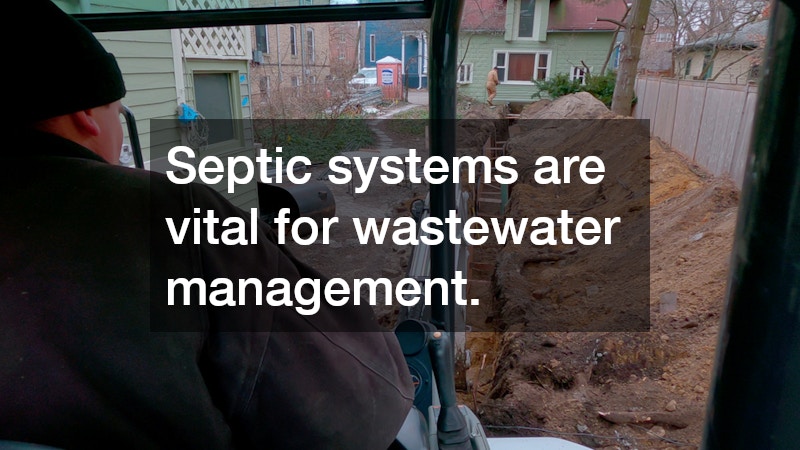
Septic systems are vital for wastewater management in areas without municipal services. Their efficiency depends on proper installation, routine maintenance, and timely intervention. Understanding the components, costs, and warning signs helps homeowners maintain reliable, long-lasting systems. Consulting experienced septic tank installers ensures correct setup and adherence to local regulations.
Investing in maintenance and inspections protects both property and the environment while prolonging system life. A well-managed septic system provides peace of mind, safeguards community health, and ensures a sustainable solution for wastewater treatment. By prioritizing professional guidance and proactive care, homeowners can enjoy efficient, worry-free septic system operation for years to come.