Understanding how to care for your cooling system is essential for keeping your home comfortable and efficient throughout the year. A well-maintained system helps regulate indoor temperatures, improves air quality, and reduces the risk of unexpected breakdowns during peak seasons. Many homeowners overlook routine maintenance until issues arise, which often leads to higher repair costs and reduced performance. By learning the basics of upkeep, you can extend the lifespan of your equipment and ensure consistent operation. In this guide, we will explore what maintenance involves, why it matters, and the key steps you can take to keep everything running smoothly.
Whether you are a new homeowner or looking to improve your routine, learning maintenance basics helps ensure long-term efficiency and comfort.
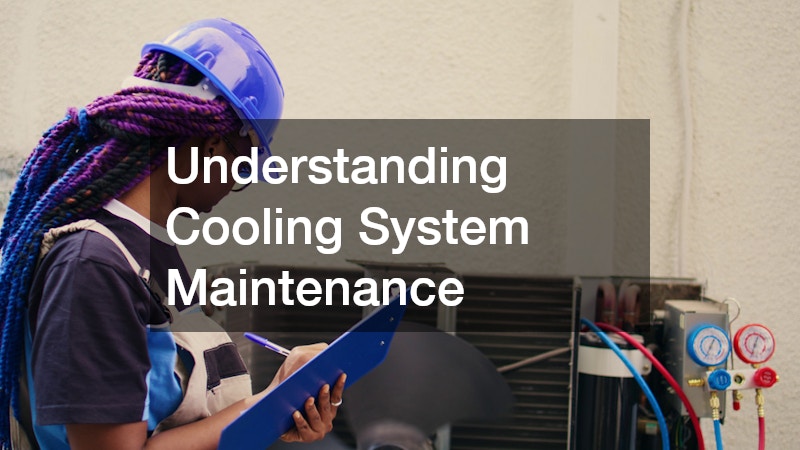
Understanding Cooling System Maintenance Basics
Routine maintenance refers to the regular inspection, cleaning, and servicing of equipment to ensure it operates efficiently. For homeowners, this includes checking filters, coils, and airflow pathways to prevent blockages and performance issues. Technicians often recommend scheduled inspections to identify small problems before they become costly repairs. Maintenance also involves monitoring energy usage and making adjustments that improve overall efficiency. By staying proactive, you reduce strain on the system and help it maintain consistent output during high-demand periods. Another important aspect is ensuring that all electrical connections are secure and components are functioning correctly. This helps prevent unexpected failures and extends the lifespan of the equipment. With a structured maintenance plan, homeowners can avoid unnecessary disruptions and enjoy a more reliable indoor environment throughout the year. Regular maintenance ultimately reduces long-term costs, improves system reliability, and supports better indoor comfort for homeowners in all seasons and in usage conditions year-round.
Why Regular Maintenance Matters
Regular maintenance plays a critical role in keeping household systems operating safely and efficiently. When equipment is properly cared for, it is less likely to experience sudden failures that disrupt daily routines. Homeowners benefit from improved energy efficiency, which can lead to lower utility bills over time. In addition, well-maintained systems tend to last longer, reducing the need for premature replacements. Safety is another key factor, as routine checks can identify potential hazards before they become serious issues. Dust buildup, worn parts, and loose connections are common problems that can be addressed early through scheduled service. Consistent attention to maintenance also helps maintain indoor comfort levels, ensuring that temperatures remain stable regardless of external conditions. Overall, taking a proactive approach helps prevent stress, saves money, and supports a more reliable home environment throughout the year. Preventive scheduling ensures technicians can address issues before they escalate into costly repairs, quickly and efficiently.
Key Tasks for Proper Maintenance
Proper maintenance requires a combination of routine inspections, cleaning, and timely repairs to ensure optimal performance. One of the most important tasks is regularly replacing air filters, which helps maintain airflow and system efficiency. Technicians also inspect coils and ductwork to ensure there are no obstructions that could reduce performance. Checking thermostat settings is another essential step to ensure accurate temperature control throughout the home. Electrical components should be examined for wear and tear to prevent unexpected system failures. In a cooling system, maintaining refrigerant levels and inspecting compressor health are critical for consistent operation. Regular lubrication of moving parts also helps reduce friction and extend equipment lifespan. Drain lines must be cleared to prevent moisture buildup and potential damage to internal components. Seasonal tune-ups help identify minor issues early and ensure reliable performance during peak demand. Professional service visits provide deeper diagnostics, allowing technicians to detect hidden problems that may not be visible during routine homeowner checks and helping maintain overall system reliability and safety standards. Keeping a consistent maintenance schedule not only improves efficiency but also reduces the likelihood of costly repairs, extends equipment lifespan, and ensures a more comfortable living environment throughout the year, overall system health.
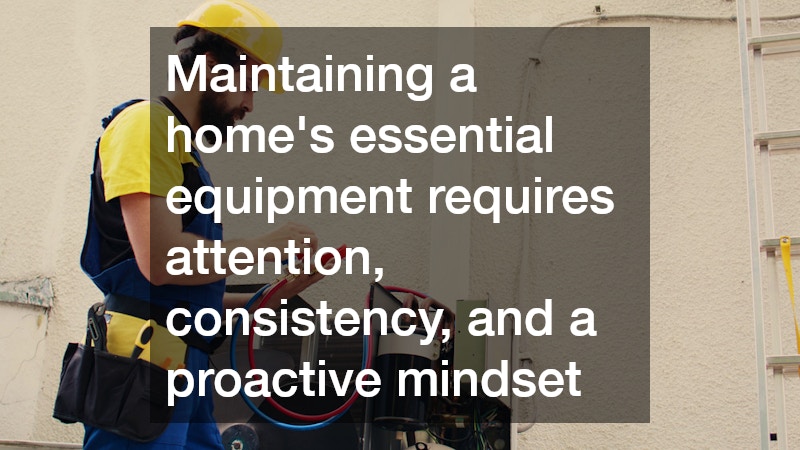
Maintaining a home’s essential equipment requires attention, consistency, and a proactive mindset to ensure long-term performance and reliability. Homeowners who invest time in regular upkeep often experience fewer breakdowns and improved system efficiency over time. Small maintenance tasks completed consistently can prevent major issues and reduce overall repair costs significantly. A well-maintained home environment contributes to comfort, safety, and energy savings for all occupants. In a cooling system, routine inspections, timely repairs, and proper airflow management ensure consistent comfort during hot weather conditions. Long-term reliability depends on preventative care and adherence to manufacturer-recommended service schedules. By addressing minor issues early, homeowners can avoid unexpected expenses and extend the lifespan of their equipment. Professional inspections also provide peace of mind by ensuring all components function as intended. Efficiency improvements not only lower energy consumption but also contribute to a more sustainable home. Ultimately, consistent care ensures that homeowners enjoy reliable performance and comfort throughout every season. Seasonal preparation is especially important because it allows homeowners to adapt their systems to changing weather conditions, reducing strain during peak usage periods and helping maintain steady performance even when demand increases significantly across the home, and environmental usage changes overall. In summary, taking care of home systems through regular attention and professional support leads to greater reliability, improved comfort, and year-round operational stability overall.