Introduction: Taking a Proactive Approach to Home Care and Improvements
Owning a home is an ongoing responsibility that extends far beyond paying the mortgage or handling occasional repairs. A well-maintained property requires consistent attention to both its interior systems and exterior structures. When homeowners take a proactive approach rather than a reactive one, they reduce long-term costs, improve safety, and preserve property value over time.
Many of the most expensive home issues begin as small, overlooked problems. A minor roof leak can turn into widespread water damage. A struggling heating system can fail completely during peak winter demand. Poor drainage can weaken a foundation, and outdated cooling systems can drive energy bills significantly higher. These issues rarely appear all at once, but they often develop quietly over time.
A structured home maintenance strategy helps prevent these situations. It involves understanding how different systems interact, scheduling regular inspections, and planning upgrades before failures occur. It also means recognizing that home improvements are not isolated events—they are part of a connected system where one upgrade can influence performance elsewhere.
For example, improving insulation can reduce strain on cooling systems. Updating plumbing fixtures can improve water efficiency and reduce utility costs. Enhancing exterior drainage can protect both landscaping and structural foundations. When viewed as a whole, home care becomes less overwhelming and more manageable.
This guide is designed to help homeowners approach repairs, upgrades, and outdoor improvements with clarity and confidence. Each section focuses on practical steps, real-world considerations, and long-term planning strategies that support both functionality and value. By the end, readers will have a clear framework for maintaining and improving their homes in a way that is efficient, cost-effective, and sustainable.
Plan Efficient Transitions and Reduce Stress During Major Life Changes
Relocating to a new home is one of the most significant transitions a homeowner can experience. While it represents an exciting fresh start, it also introduces logistical challenges that require careful coordination. A well-organized move helps reduce stress, protect belongings, and ensure a smoother transition into a new living space.
Working with a moving company can significantly streamline the process. Professional movers are trained to handle packing, transportation, and unloading efficiently, reducing the risk of damage to furniture and household items. However, successful moving still requires preparation on the homeowner’s part.
Key preparation steps include:
- Decluttering before packing to reduce unnecessary items
- Labeling boxes clearly for easy unpacking
- Protecting fragile items with proper materials
- Creating an inventory of valuable belongings
Homeowners should also consider timing. Scheduling a move during mild weather conditions can reduce complications and help protect sensitive items from extreme temperatures or moisture exposure.
Additional strategies for a smooth transition:
- Pack an essentials box with daily necessities for the first few days
- Take photos of electronic setups before disassembly
- Coordinate utility transfers in advance
- Confirm access and parking arrangements at both locations
A structured moving plan not only reduces physical stress but also allows homeowners to focus on settling into their new environment rather than dealing with preventable issues.
Address Heating Issues Before They Become Costly Problems
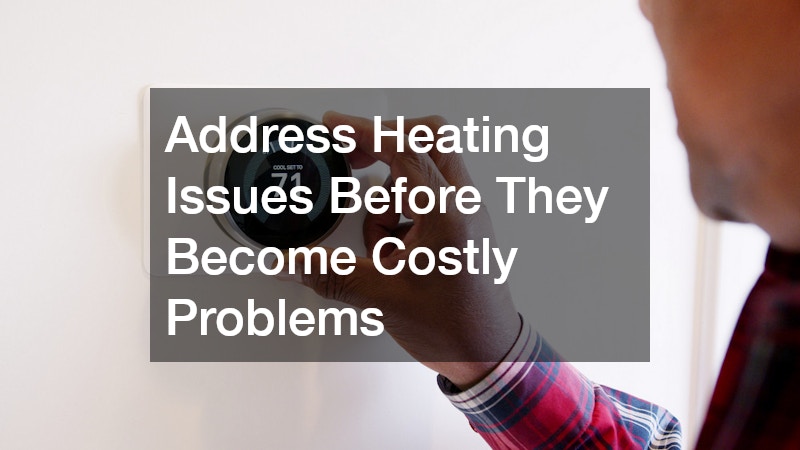
Heating systems are essential for maintaining comfort and safety during colder months. When they begin to fail, the impact can be immediate and disruptive. Small inefficiencies often develop long before a complete breakdown occurs, making early detection critical.
Common warning signs include uneven heating, unusual noises, frequent cycling, or rising energy bills without increased usage. These symptoms often indicate that heating repairs are needed before the system becomes unreliable.
Preventative maintenance plays a key role in system longevity. Regular inspections help identify worn components, airflow restrictions, or thermostat issues before they escalate.
Key maintenance practices include:
- Replacing air filters regularly to maintain airflow
- Scheduling seasonal system inspections
- Cleaning vents and duct pathways
- Monitoring energy usage for sudden changes
Ignoring heating issues can lead to higher repair costs and reduced system lifespan. In some cases, small repairs can restore full efficiency, while in others, replacement may be more cost-effective in the long term.
Safety is another important factor. Faulty heating systems can create risks such as carbon monoxide leaks or electrical hazards. Ensuring proper maintenance protects both the home and its occupants.
Expand Living Space with Smart Planning and Design
As families grow and lifestyles change, many homeowners look for ways to increase usable space without relocating. Home additions offer a practical solution, but they require detailed planning to ensure functionality, structural integrity, and long-term value.
Before beginning any expansion project, homeowners should evaluate their current space limitations and identify specific needs. Whether adding a new bedroom, expanding a kitchen, or creating a home office, clarity of purpose is essential.
Important planning considerations include:
- Evaluating property layout and structural limitations
- Understanding zoning regulations and permit requirements
- Setting a realistic budget with contingency allowances
- Designing for long-term usability and flexibility
A well-planned addition should integrate seamlessly with the existing structure. This includes matching architectural style, maintaining consistent flooring levels, and ensuring proper utility integration.
Additional tips for successful expansion:
- Work with experienced designers and contractors
- Consider energy efficiency in new construction
- Plan for natural light and ventilation
- Ensure structural reinforcement where necessary
When executed properly, home additions not only increase living space but also significantly enhance property value and functionality.
Protect Your Home from Structural Damage and Leaks
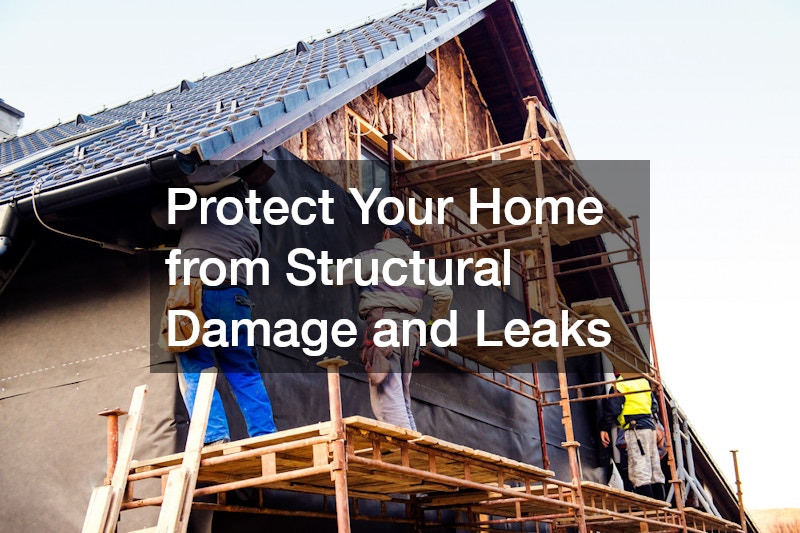
The roof is one of the most critical protective elements of any home. It shields the structure from weather, moisture, and environmental stress. Even minor roof issues can lead to serious problems if left unaddressed.
Working with a roofing company ensures that inspections, repairs, and replacements are handled professionally. Regular roof assessments help identify missing shingles, weakened flashing, or early signs of structural wear.
Common indicators of roof issues include:
- Water stains on ceilings or walls
- Missing or damaged shingles
- Sagging roof sections
- Mold or mildew growth in attic spaces
When water intrusion occurs, water damage repair becomes essential. Moisture can spread quickly through walls, insulation, and flooring, leading to long-term structural concerns if not addressed promptly.
Preventative measures include:
- Cleaning gutters regularly to prevent water buildup
- Inspecting roof surfaces after storms
- Ensuring proper attic ventilation
- Addressing small leaks immediately
A well-maintained roof protects not only the structure but also the interior environment of the home, making it one of the most important maintenance priorities.
Improve Outdoor Spaces for Functionality and Curb Appeal
Outdoor spaces play a major role in both the functionality and visual appeal of a home. Well-designed landscapes and durable surfaces enhance usability while also increasing property value.
A landscaping contractor can help transform outdoor areas into structured, attractive environments. This includes designing plant layouts, improving drainage, and creating functional outdoor living spaces.
Key landscaping considerations include:
- Choosing plants suited to local climate conditions
- Designing efficient irrigation systems
- Maintaining proper grading for water flow
- Incorporating lighting for safety and aesthetics
Asphalt paving is another important element of outdoor improvement. Driveways, walkways, and parking areas must be durable enough to withstand weather conditions and daily use.
Best practices for paving projects:
- Ensure proper base preparation before installation
- Use high-quality materials suited to climate conditions
- Maintain proper drainage to prevent cracking
- Seal surfaces regularly to extend lifespan
When combined effectively, landscaping and paving improvements create a cohesive, functional, and visually appealing exterior environment.
Ensure Proper Drainage to Prevent Long-Term Damage
Effective water management is essential for protecting a home’s structure. Without proper drainage systems, rainwater can accumulate around the foundation, leading to erosion, leaks, and long-term structural damage.
Gutter installation plays a key role in directing water away from the home. A properly designed system prevents overflow and ensures that water is safely channeled away from vulnerable areas.
Key considerations include:
- Choosing durable materials resistant to weather conditions
- Ensuring correct slope for efficient water flow
- Installing properly sized downspouts
- Securing all joints to prevent leaks
Maintenance is equally important. Even the best systems can fail if clogged or damaged.
Routine care includes:
- Cleaning gutters seasonally
- Removing debris after storms
- Inspecting for sagging or separation
- Checking drainage flow during rainfall
Proper drainage protects roofing, siding, landscaping, and foundation integrity, making it a critical part of home maintenance.
Upgrade Cooling Systems for Efficiency and Comfort
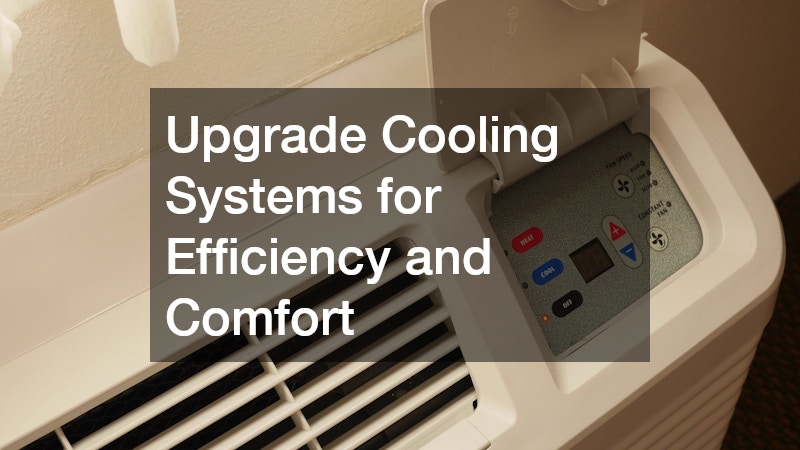
Cooling systems are essential for maintaining indoor comfort, especially during warmer months. Over time, older systems become less efficient, leading to higher energy costs and inconsistent performance.
When systems begin to fail frequently or struggle to maintain temperature, ac replacement may be the most effective long-term solution. Modern systems offer improved efficiency, better airflow, and advanced temperature control features.
Key upgrade considerations:
- Selecting energy-efficient models with high SEER ratings
- Ensuring proper sizing for the home
- Evaluating smart thermostat compatibility
- Considering long-term energy savings
Signs that replacement may be needed include:
- Frequent breakdowns or repairs
- Uneven cooling throughout the home
- Rising energy bills
- Excessive noise during operation
A properly installed system improves comfort while reducing long-term operating costs.
Maintain Reliable Plumbing Systems to Avoid Disruptions
Plumbing systems are essential for daily household function, delivering clean water and removing waste efficiently. When issues arise, they can quickly escalate into costly repairs or water damage.
A plumbing company can diagnose and resolve a wide range of issues, from leaks to pipe replacements. Professional support ensures that problems are addressed safely and effectively.
Common plumbing issues include:
- Leaking faucets or pipes
- Low water pressure
- Clogged drains
- Running toilets
Preventative maintenance is key to avoiding major disruptions:
- Inspect pipes regularly for signs of wear
- Avoid flushing non-degradable materials
- Address leaks immediately
- Monitor water pressure changes
A well-maintained plumbing system ensures reliability, efficiency, and long-term protection for the home.
Coordinate Home Repairs and Upgrades for Maximum Efficiency
Managing multiple home improvement projects requires organization and planning. Without coordination, homeowners may face overlapping schedules, increased costs, and unnecessary delays.
Best practices include:
- Grouping related projects together
- Creating seasonal maintenance schedules
- Tracking all repairs and upgrades
- Prioritizing safety-related improvements
Coordinated planning ensures that resources are used efficiently and that each project contributes to overall home performance.
Budgeting for Repairs, Renovations, and Outdoor Improvements
Financial planning is essential for successful homeownership. Without a clear budget, even routine maintenance can become overwhelming.
Effective budgeting strategies include:
- Setting aside emergency repair funds
- Planning for both short-term and long-term projects
- Comparing multiple contractor estimates
- Breaking large projects into phases
A structured financial plan allows homeowners to maintain control while ensuring that necessary improvements are completed on time.
Increase Property Value Through Strategic Improvements
Increasing home value requires a combination of maintenance, upgrades, and thoughtful improvements. Buyers are drawn to homes that are well cared for and functionally efficient.
High-impact improvements include:
- Structural repairs and system upgrades
- Energy-efficient enhancements
- Exterior improvements and curb appeal upgrades
- Interior modernization and maintenance
Consistent care ensures that the home retains value and remains competitive in the real estate market.
Conclusion: Building a Well-Maintained and Valuable Home
A well-maintained home is the result of consistent attention, thoughtful planning, and proactive decision-making. Rather than reacting to problems as they arise, homeowners benefit most from a structured approach that emphasizes prevention, coordination, and long-term strategy.
Every system in a home plays a role in overall comfort and performance. Roofing protects against weather, plumbing ensures daily functionality, heating and cooling systems maintain comfort, and exterior improvements enhance both usability and appearance. When these systems are properly maintained and upgraded as needed, they work together to create a stable and efficient living environment.
One of the most important principles in homeownership is early intervention. Small issues rarely remain small. Addressing them quickly not only prevents larger damage but also reduces long-term costs and stress. Regular inspections and preventative maintenance are essential tools for maintaining control over home performance.
Financial planning also plays a critical role. By budgeting for both expected and unexpected expenses, homeowners can avoid financial strain while still investing in meaningful improvements. This approach allows for steady progress rather than reactive spending.
Ultimately, a well-cared-for home is more than a place to live—it is a long-term investment that grows in value and reliability over time. With the right approach, homeowners can create a space that is comfortable, efficient, and built to last for years to come.