Handing over the down payment, signing a mountain of paperwork, and finally receiving the keys to your first home is a monumental milestone. For many first-time homeowners, the initial weeks are a whirlwind of paint swatches, furniture deliveries, and interior decoration. However, once the initial excitement settles, a profound realization sets in: you are now completely responsible for the structural integrity, safety, and functionality of an incredibly complex asset. As a renter, a call to a landlord or property manager solves any mechanical malfunction or structural leak. As an owner, you are the landlord. A home is not a static structure; it is a dynamic ecosystem of interconnected mechanical, electrical, and structural systems that experience constant wear and tear.
Neglecting routine maintenance is the fastest way to turn a dream home into a financial nightmare. What begins as a minor, unaddressed anomaly can rapidly compound into a catastrophic structural failure, wiping out your hard-earned equity and hitting you with thousands of dollars in emergency repair bills. The key to successful homeownership lies in transitioning from a reactive mindset to a proactive strategy. By learning how to monitor, inspect, and maintain your property systematically throughout the seasons, you can catch minor issues before they disrupt your life or your bank account. This comprehensive guide serves as your essential master manual, breaking down the critical maintenance tasks every first-time homeowner must understand to protect their family, their wallet, and their peace of mind.
Inspecting Electrical Systems on a Regular Schedule
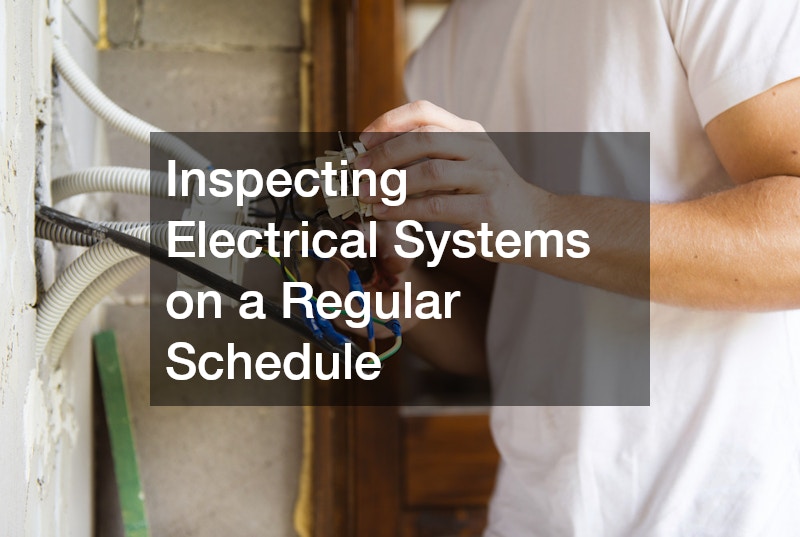
The electrical grid hidden behind your home’s drywall is the lifeblood of your daily convenience, powering everything from your home office and kitchen appliances to your security systems and entertainment units. Homeowners should perform basic visual checks monthly, looking for signs of distress such as outlets that feel warm to the touch, discolored faceplates, flickering lights, or mysterious buzzing noises coming from the walls. Furthermore, test your Ground Fault Circuit Interrupter (GFCI) outlets monthly by pressing the built-in test and reset buttons; these safety devices are designed to instantly cut power when water is detected, preventing fatal shocks in kitchens, bathrooms, and garages.
For a comprehensive safety audit, especially during your first year of homeownership, engaging professional electrical services is highly recommended. A licensed electrician can inspect your main electrical panel, ensure your circuit breakers are properly rated for the loads they carry, tighten loose connections, and verify that your entire system is properly grounded. Taking a proactive approach to your electrical infrastructure guarantees that your home can safely handle the power demands of modern technology without putting your structural safety at risk.
Addressing Minor Plumbing Problems Before They Worsen
Water is both an essential resource for your household and potentially your home’s most destructive enemy. Your plumbing network consists of pressurized supply lines bringing clean water in and gravity-fed waste lines carrying wastewater out. First-time homeowners must develop a habit of inspecting cabinets beneath sinks, around water heaters, and behind washing machines for any signs of dampness, pooling water, or mold growth. If a faucet continues to drip after being shut off completely, the cause is often a simple worn-out rubber washer or O-ring that is quietly driving up your utility bills and rotting subflooring.
When minor plumbing issues persist, it is wise to enlist the help of licensed plumbers. Professional plumbers possess the diagnostic tools to trace mysterious leaks back to their exact source, whether it is a failing supply valve, a hairline fracture in a copper line, or a degraded wax ring at the base of a toilet. Addressing these small mechanical failures early preserves your cabinetry, prevents the growth of toxic black mold inside your walls, and ensures your home’s water infrastructure functions flawlessly.
Keeping Drains Clear to Prevent Costly Backups

Wastewater should disappear down your sinks, tubs, and showers instantly, creating a clean drain vortex. When drains become sluggish, bubbling, or begin emitting foul odors, your waste lines are suffering from an internal restriction caused by hair, soap scum, grease, and organic food waste that slowly accumulate along the interior walls of the pipes. Many first-time homeowners make the critical mistake of pouring harsh chemical drain cleaners down a slow pipe as an immediate fix, but these caustic chemicals generate intense heat that can warp PVC pipes and accelerate the corrosion of older cast-iron lines.
The most effective way to manage your home’s drainage is to incorporate professional drain cleaning services into your annual maintenance plan. Professional technicians utilize advanced mechanical snakes and high-capacity augers to physically slice through compacted clogs and scrape the inner walls of the pipe clean without risking structural damage to your plumbing. For severe or chronic blockages, they can perform a video camera inspection to determine if the issue is a simple clog or a structural failure like a collapsed line or tree root intrusion, saving you from a catastrophic sewage backup into your living spaces.
Checking the Roof for Damage After Severe Weather
Your roof is your home’s primary shield against nature, bearing the brunt of scorching summer heat, torrential downpours, heavy winter snow accumulation, and high-velocity winds. Because the roof surface is high above the ground, it is remarkably easy to forget about until a brown water stain suddenly spreads across your living room ceiling. To minimize the risk of roof failure, first-time homeowners must become disciplined about checking their roof’s exterior condition immediately following a major storm or high-wind event, using a pair of binoculars to safely inspect your roofline from the ground for curling, cracked, or entirely missing shingles.
If you spot any irregularities, missing shingles, or a heavy accumulation of mineral granules in your gutters, scheduling a professional roof repair must be treated as an absolute priority. Water follows the path of least resistance, and a single missing shingle creates a perfect entry point for moisture to rot your home’s structural framing. A certified roofer can perform a targeted patch, secure loose flashing, and reseal vent boots quickly, preserving the watertight envelope of your home and extending the total lifespan of your roof by several years.
Scheduling Seasonal Heating and Cooling Maintenance
Your HVAC system is likely the single most expensive mechanical asset in your home and the largest consumer of your monthly energy budget. The most common cause of early HVAC system failure is sheer neglect, as dust and airborne pet dander act as insulation on internal components, forcing fans to work twice as hard and causing motors to overheat. Homeowners can handle basic tasks like replacing the indoor air filters every thirty to ninety days and keeping the outdoor condenser unit clear of leaves and shrubs, but deep mechanical diagnostics require specialized equipment.
Before the start of the extreme summer and winter seasons, scheduling a bi-annual check-up with a certified HVAC contractor is essential. A professional technician can clean the evaporator and condenser coils, verify refrigerant pressures, check electrical connections, test safety limit switches, and ensure your system is not producing deadly, odorless carbon monoxide gas. Routine seasonal maintenance optimizes your system’s efficiency, drastically reduces your monthly utility bills, and prevents the stress of a total system breakdown during the hottest or coldest day of the year.
Testing Garage Doors for Safety and Proper Operation
The garage door is often the largest, heaviest moving component of your home’s exterior, serving as a primary entrance for many families and a major component of your property’s visual facade. First-time homeowners should perform a basic garage door safety test every few months, starting with checking the door’s balance. Pull the red emergency release cord to operate the door manually and lift it halfway up; if the door stays in place, the springs are properly tensioned, but if it slams shut or shoots upward, the high-tension springs are out of balance and require attention.
If your door squeals, jerks violently during operation, or fails its auto-reverse safety test, contacting a professional garage door company is critical for safety. You should never attempt to adjust or repair garage door springs or bottom brackets yourself, as these components are under immense mechanical tension and can cause severe personal injury if handled incorrectly. A certified technician can safely replace worn springs, realign tracks, and tune your opener, ensuring quiet, secure, and reliable operation.
Responding Quickly to Signs of Water Damage
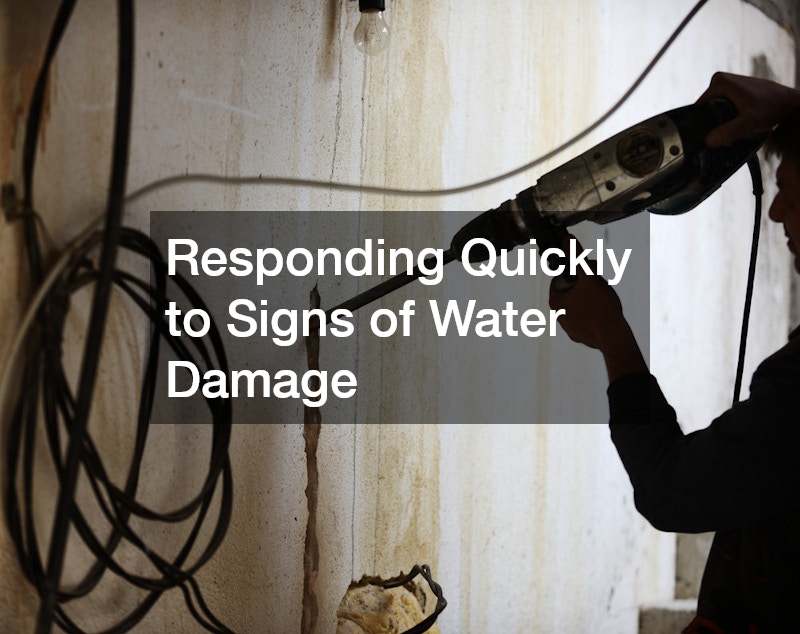
Despite your best preventative maintenance efforts, unexpected home disasters can still occur. A frozen pipe can burst in the winter, a heavy rainstorm can overwhelm an old sump pump, or a major appliance like a washing machine can experience a sudden hose failure. Within twenty-four to forty-eight hours of constant moisture exposure, porous materials like drywall, carpet padding, baseboards, and hardwood flooring will begin to warp, delaminate, and provide a breeding ground for toxic mold spores.
The very first step is to locate and shut off your home’s main water valve to stop the flow of water, followed immediately by reaching out to a professional emergency water removal service. Emergency extraction teams are available around the clock, utilizing industrial-grade truck-mounted pumps, heavy-duty dehumidifiers, and high-velocity air movers to extract standing water and pull deep moisture out of your home’s structural framing. Attempting to dry a flooded room using household fans and towels is an ineffective strategy that leaves hidden moisture trapped behind baseboards, leading to severe structural rot and long-term air quality issues.
Monitoring Indoor Comfort and Energy Efficiency
As you settle into your new home, you will begin to notice its unique environmental patterns, such as upstairs bedrooms feeling stuffy during the summer or certain rooms being prone to winter drafts. Managing your indoor comfort and energy efficiency is a continuous process of balancing airflow, insulation, and system performance. If your home struggles with uneven temperatures, high internal humidity, or erratic thermostat readings, your home’s thermal envelope needs a closer look.
It is highly beneficial to consult with leading HVAC companies to perform a home energy audit or system airflow balance. Professional technicians can inspect your ductwork network for leaks or disconnections that waste conditioned air inside your crawlspaces or attic. They can also recommend modern efficiency solutions, such as installing smart thermostats that learn your family’s routine, adding zone-control dampers, or integrating whole-home dehumidifiers to improve indoor air quality and lower your monthly operational costs.
Maintaining Septic Systems to Avoid Major Repairs
For first-time homeowners moving into properties outside the reach of city sewer grids, managing a private septic system is an entirely new responsibility. A septic system is a decentralized wastewater treatment infrastructure buried in your yard, utilizing a solid tank to catch heavy waste and a gravel-lined drain field to filter and discharge clarified liquid back into the soil naturally. Flushing unapproved items down the toilet—such as wet wipes, paper towels, or harsh household chemicals—will quickly kill the beneficial bacteria and clog the pipe inlets.
To prevent an environmental and financial disaster in your yard, establishing a schedule with a professional local septic repair and maintenance provider is essential. A septic tank must be professionally inspected and pumped out every three to five years, depending on the size of your household. Neglecting this maintenance allows solid sludge to rise to the top of the tank and enter your drain field, leading to collapsed soil lines, foul odors on your lawn, and sewage backing up into your lowest home drains.
Preserving Exterior Structures and Hardscapes Over Time
Home maintenance does not stop at the exterior walls of your house, as your property’s value, safety, and visual appeal are heavily tied to the condition of your exterior hardscapes. These rigid structures—including brick chimneys, concrete driveways, stone retaining walls, and concrete foundations—are subject to constant environmental stress. When water enters microscopic cracks in concrete or mortar joints, it expands as it freezes, widening the crack and slowly fracturing the structural bond over time.
When structural masonry shows signs of degradation, partnering with experienced masonry contractors is the most effective way to protect your exterior investments. Professional masons can perform a process known as tuckpointing, which involves carefully grinding away old, failing mortar and replacing it with fresh, weather-resistant mortar that matches the original structure’s compressive strength. They can also seal concrete driveways and stone patios with commercial-grade waterproof barriers, preventing moisture infiltration and extending the lifespan of your property’s hardscapes for decades.
Keeping a home beautifully maintained as a first-time homeowner can initially feel like an overwhelming checklist of chores, but it is helpful to view the process as a continuous journey of stewardship rather than a series of emergency fixes. Your home is likely your most significant financial asset and the sanctuary where your family’s daily life unfolds; treating it with the care and preventative respect it deserves pays massive dividends in comfort, safety, and financial equity over the lifespan of your ownership.
By breaking down your property care into manageable, proactive habits—from testing your garage door safety loops and scheduling seasonal appointments with an HVAC contractor to keeping your drains clear and addressing minor plumbing drips immediately—you take control of your asset’s future. Remember that database building and establishing strong relationships with certified, licensed professionals across all trades is your greatest asset as a property owner. A professional diagnostic or preventative tune-up is always more affordable, less stressful, and safer than managing a catastrophic property emergency in the middle of the night. Invest the time to understand your home’s unique systems today, build a consistent seasonal maintenance calendar, and enjoy the profound pride, safety, and comfort of a perfectly maintained home for a lifetime.