Buying a home means budgeting for the mortgage, the down payment, and maybe a home inspection, but the exterior of a property often hides costs that never show up on a closing statement. Roofs, driveways, fences, and mechanical systems age quietly until they fail, leaving new homeowners with unexpected repair or replacement bills. Understanding where these hidden expenses tend to hide before you sign on the dotted line can save you thousands of dollars and a lot of stress. This guide walks through the exterior systems and features most likely to surprise buyers, so you can budget realistically and negotiate with confidence.
Roof Age and Condition Before Closing
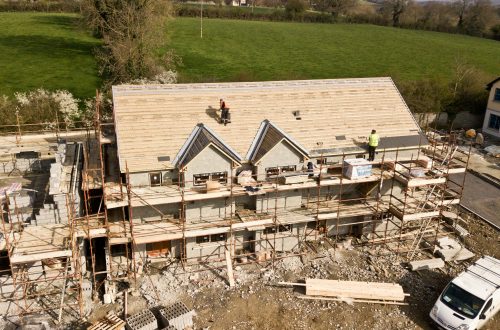
A roof that looks fine from the curb can be just a few years from needing full replacement, and most buyers have no way to judge this without professional help. Asking for a roof certification or having residential roofing contractors inspect the property before closing can reveal how many years of life remain and whether repairs were done properly. Roof replacement costs vary widely depending on materials and square footage, but they routinely run into the five-figure range for an average home. Skipping this step is one of the most common reasons new homeowners face a shocking expense within their first year.
Beyond the shingles themselves, buyers should also ask about flashing, gutters, and ventilation, since problems in these areas often cause interior damage long before a roof visibly fails. Getting a written estimate from roofers before finalizing your offer gives you real numbers to bring into negotiations rather than guesses. In some cases, sellers will agree to a credit or repair rather than lose a sale over roof concerns.
- Ask for the age of the roof and any warranty documentation
- Look for uneven shingles, moss growth, or sagging rooflines
- Request a written inspection report before closing
- Factor in the cost of removing old layers if a tear-off is required
Aging Windows and Energy Loss

Older windows are one of the sneakiest hidden costs in home buying because they affect your utility bills every single month rather than showing up as one big bill. Drafty, single-pane, or poorly sealed windows can drive heating and cooling costs up significantly, and buyers rarely notice this during a quick walkthrough. A simple test during a showing is to hold your hand near the window frame on a cold or hot day; if you feel a draft, the seals or glazing have likely failed. Window replacement is a common upgrade that new owners end up tackling within the first two years of ownership, especially in older homes. Depending on the size of the house, replacing all the windows can run anywhere from $8,000 to $20,000 or more, particularly if the home has custom shapes, historic trim, or double-hung styles that cost more to match. Even partial replacements, like swapping out five or six of the worst offenders, can easily reach a few thousand dollars once labor and disposal are factored in. It’s also worth checking the age and type of glazing, since anything older than 15-20 years or still single-pane is a strong candidate for replacement rather than repair. Fogging between panes, visible condensation, or warped frames are all signs the seals have already broken down internally. Getting quotes on this before you buy helps you understand whether the home’s asking price truly reflects its condition. Many buyers use these estimates as leverage in negotiations, either asking the seller to cover part of the cost or adjusting their offer to account for the upgrade they’ll need to make soon after moving in.
Inspectors do not always flag window issues unless they are dramatic, so it helps to physically test a sample of windows yourself during a showing. Try at least one window in every room, not just the obvious ones, since sun exposure and age can vary significantly from one side of the house to another. Check for fogging or a milky haze between panes, which signals a broken seal and failed insulation in double- or triple-pane units. Test how smoothly each window opens and closes, since sticking, warping, or frames that require force are signs of settling, rot, or old hardware. Also run your hand along the frame edges to feel for drafts, gaps, or soft, spongy wood that suggests water intrusion. These small signs often point to a much larger project waiting down the road. Replacing a single window typically runs anywhere from $300 to $1,200 depending on size and material, and a whole-house replacement can easily climb into the tens of thousands. Beyond the repair cost, drafty or single-pane windows also drive up heating and cooling bills every month you own the home, making them a hidden expense that compounds over time.
- Test at least one window per room for smooth operation—stuck sashes or gaps often mean warped frames costing $400-$1,200 each to replace
- Look for condensation trapped between glass panes, a telltale sign the seal has failed and insulating gas has escaped
- Check for visible caulk cracks, rotting wood, or drafts by holding your hand near the frame on a windy day
- Ask the seller about the age and brand of existing windows, since most models only last 15-20 years before efficiency drops
- Consider energy audit reports if available, as they can reveal heat loss patterns invisible during a standard walkthrough
- Factor in utility bills from the past year, since spikes in heating or cooling costs can hint at poor window performance
Heating and Cooling Systems Tied to the Exterior
Many buyers focus on the furnace in the basement but forget about exterior-mounted heating and cooling equipment that can be just as expensive to replace. Homes without central ductwork sometimes rely on wall-mounted units, and if those units are outdated, a ductless mini split heat pump installation may be necessary to bring the property up to modern efficiency standards. This type of project involves both equipment and labor costs that vary based on the number of zones being installed. Buyers should ask directly about the age and maintenance history of any exterior HVAC components before assuming they have years of life left.
Even when a home has central air, the outdoor condenser unit is exposed to weather year-round and tends to wear out faster than indoor components. A unit that is more than ten to fifteen years old is a reasonable candidate for replacement soon after move-in. Factoring this into your budget prevents an uncomfortable surprise during the first heat wave or cold snap.
- Ask when the outdoor condenser or heat pump was last serviced
- Check for rust, unusual noise, or refrigerant leaks around the unit
- Request maintenance records if the seller has them
- Budget for potential zone additions if the home lacks central air
Driveway and Parking Surface Wear
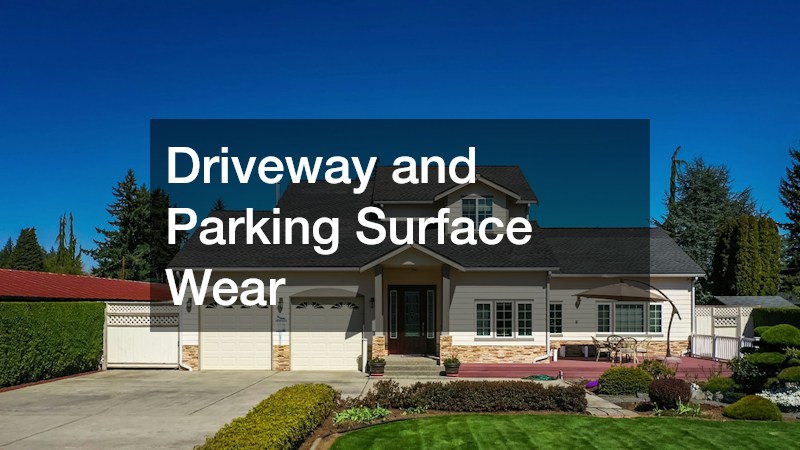
A cracked or crumbling driveway is easy to spot, but many buyers underestimate how expensive it is to fix properly. Asphalt parking lot paving techniques used for larger residential driveways require proper base preparation, drainage planning, and sealing, and cutting corners on any of these steps leads to premature failure. If a driveway shows alligator cracking, potholes, or standing water, it may need more than a simple patch job. Getting a paving contractor’s opinion before closing helps buyers understand whether they are looking at a quick seal coat or a full replacement.
Weather and freeze-thaw cycles are especially hard on older driveways, so homes in colder climates deserve extra scrutiny. A driveway that looks fine in summer photos can reveal serious cracking after a single hard winter. Asking the seller about the age of the driveway and any past repairs gives buyers a clearer picture of what to expect.
- Look for alligator cracking, which signals deep structural damage
- Check for pooling water, which points to drainage problems
- Ask about the last time the surface was sealed or resurfaced
- Note any uneven settling near the garage entrance
Fencing and Property Boundary Repairs
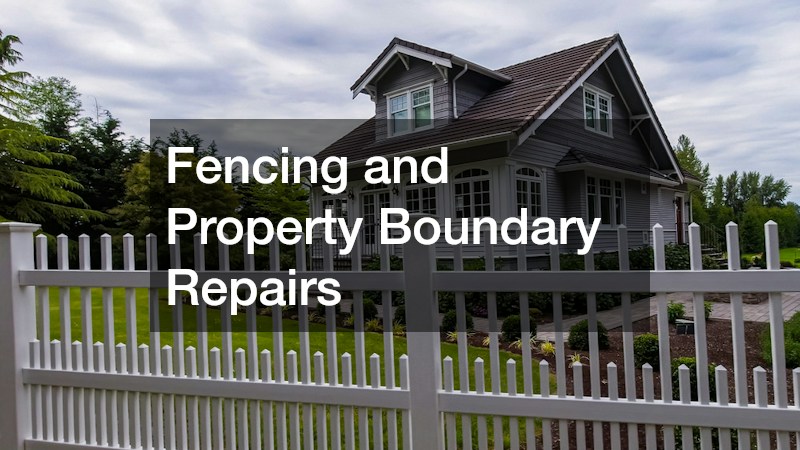
Fences add privacy and curb appeal, but they also take a beating from weather, soil movement, and general age. A fence that looks sturdy from a distance may have rotting posts or rusted hardware that only becomes obvious after a storm. Reaching out to a fence installation service for a quick assessment can clarify whether the existing structure needs minor repairs or a full rebuild. This is especially important if the fence marks a property line shared with a neighbor, since boundary disputes can add legal costs on top of repair costs.
Material matters significantly here, since wood, vinyl, and chain link all age differently and carry different repair costs. Buyers should also confirm that the fence sits on the correct property line, since surveys sometimes reveal encroachments that require costly adjustments. Several residential fence companies offer free estimates, which can be a useful way to gather real numbers before finalizing a purchase offer.
- Check fence posts for rot, leaning, or loose concrete footings
- Look for rust on hinges, latches, and chain link fabric
- Confirm the fence location matches the property survey
- Ask neighbors about any known boundary disagreements
Garage Door Systems and Automation
Garage doors are used multiple times a day, which means their mechanical components wear out faster than many buyers expect. Garage door openers in particular have a limited lifespan, and older models may lack modern safety features like auto-reverse sensors. If the opener is original to a home built decades ago, replacing it soon after move-in is a realistic possibility. This is a smaller expense compared to some other exterior costs, but it adds up alongside everything else on a new homeowner’s list.
Beyond the opener itself, buyers should test the door’s balance, check the condition of the springs and cables, and listen for grinding or scraping noises during operation. A door that struggles to open smoothly may indicate a bigger mechanical issue than a simple motor replacement. Getting this checked during the inspection period avoids an unpleasant surprise on a cold morning when the door refuses to budge.
- Test the auto-reverse safety feature by placing an object in the door’s path
- Listen for grinding, squeaking, or uneven movement
- Check springs and cables for visible wear or rust
- Ask about the age of the opener motor and remote system
Underground Utility and Structural Investigations
Some hidden costs are literally buried out of sight, which makes them the easiest to overlook during a standard walkthrough. Homes with additions, pools, or unusual foundation features sometimes require core drilling to investigate soil composition, locate utility lines, or assess structural integrity before any new construction can begin. This kind of investigation is not something most buyers think to ask about, yet it becomes critical if you plan to add a patio, deck, or other structure after moving in. Skipping this step can lead to costly surprises once a project is already underway.
If a seller has made recent additions to the property, it is worth asking whether they had any underground investigation done beforehand. Old septic systems, buried oil tanks, and unmarked utility lines are more common than most buyers realize, especially in older neighborhoods. A little research now can prevent a very expensive discovery later.
- Ask about any known underground tanks or septic systems
- Request documentation of past utility line investigations
- Consider a professional survey if planning future construction
- Factor in extra costs for rocky or unstable soil conditions
Outdoor Living Spaces and Future Renovation Costs

Many buyers fall in love with a home partly because of its outdoor living potential, whether that means a patio, deck, or space for entertaining. If those features do not already exist, it helps to research costs early, since outdoor kitchen builders typically charge based on materials, appliances, and the complexity of plumbing or gas lines involved. Even if you are not planning this renovation immediately, understanding the price range helps you budget realistically for the long-term cost of owning the home. Buyers often underestimate how much labor and permitting add to these projects.
It also helps to look at what is already on the property and assess its condition honestly rather than assuming everything is move-in ready. A worn deck or an outdated patio may need replacement sooner than expected, and that cost should factor into your overall homebuying budget. Planning ahead for these upgrades prevents financial strain once you have already committed to the purchase.
- Get rough estimates for any outdoor renovations you are considering
- Check existing decks and patios for rot, cracking, or unstable footing
- Ask about permits required for gas or plumbing additions
- Prioritize projects based on safety versus aesthetic improvements
Hidden exterior costs can turn an exciting home purchase into a financial headache if you are not prepared to look beyond the surface. Taking time to inspect roofing, windows, driveways, fencing, HVAC equipment, and outdoor structures before closing gives you real leverage in negotiations and a clearer picture of your true costs. Bringing in qualified professionals for a second opinion is always worth the small upfront investment compared to an expensive surprise later. Armed with this knowledge, you can move forward with your purchase feeling confident rather than caught off guard.