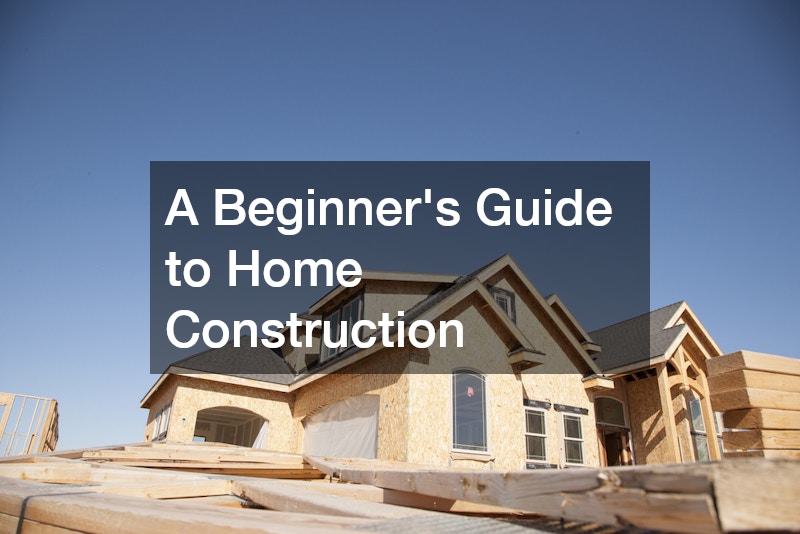
Starting a home construction project for the first time can feel overwhelming. From securing land and permits to coordinating contractors and selecting materials, there are countless decisions that shape the success of the build. A well-informed approach helps reduce stress, control costs, and ensure the finished home meets both functional needs and long-term goals. This guide is designed to walk beginners through the home construction process step by step, offering clarity on what to expect at each stage and how different professionals and services come together to turn plans into a completed residence.
Home construction is not just about erecting walls and installing finishes. It involves careful planning, collaboration between multiple trades, and attention to safety, efficiency, and durability. Understanding the sequence of events—from site preparation to final inspections—helps homeowners communicate more effectively with builders and avoid common mistakes. It also empowers you to make informed choices about timelines, budgets, and design features.
Whether you are building a modest starter home or a more customized residence, knowledge is your most valuable tool. By learning the fundamentals of construction phases, required services, and logistical considerations, you can approach your project with confidence. This beginner’s guide provides a practical overview of the entire process, helping you set realistic expectations and make decisions that support a smooth, successful build from start to finish.
Understanding The Home Construction Process
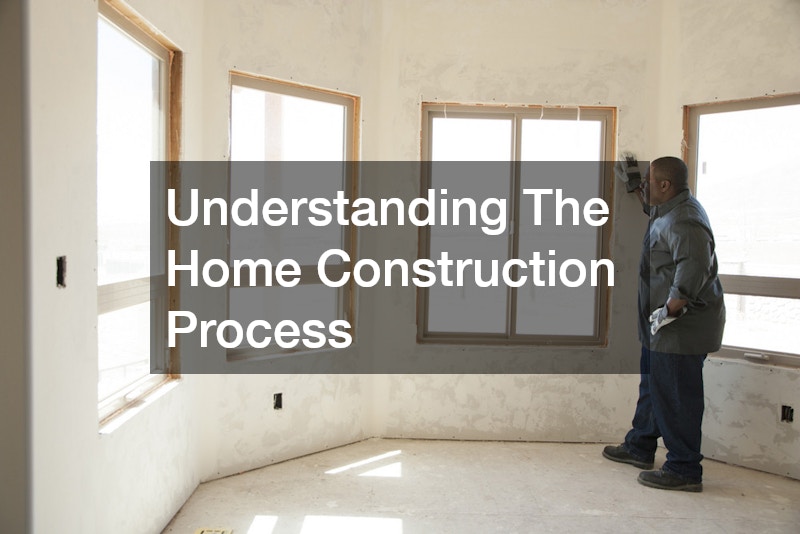
The home construction process typically follows a structured sequence, even though each project has unique details. It begins with planning and design, moves through site preparation and structural work, and ends with interior finishes and inspections. Understanding this flow helps homeowners anticipate what comes next and prepare for key decisions before they become urgent.
During the early planning stage, architects and designers translate ideas into detailed blueprints. These plans guide contractors, inspectors, and suppliers throughout the build. Once plans are approved and permits are issued, construction can begin. The project then progresses through foundation work, framing, roofing, systems installation, and finishing touches.
Each phase relies on the successful completion of the previous one. Delays or mistakes early in the process can have ripple effects later, impacting costs and timelines. For beginners, recognizing how interconnected these stages are underscores the importance of preparation and clear communication. A solid understanding of the overall process lays the groundwork for a more organized and less stressful home-building experience.
Planning, Budgeting, And Permits
Before any physical work begins, careful planning and budgeting are essential. This phase determines not only what your home will look like, but also how much it will cost and how long it will take to complete. A realistic budget should account for construction costs, professional fees, permits, and a contingency fund for unexpected expenses.
Permits play a critical role in ensuring the home meets local building codes and safety standards. Requirements vary by location, but most projects need approvals for structural work, electrical systems, plumbing, and zoning compliance. Skipping or delaying permits can lead to fines, work stoppages, or complications during resale.
Working closely with professionals during this stage helps prevent costly oversights. Builders and architects can provide insight into material costs, labor availability, and scheduling considerations. By investing time in thorough planning and securing all necessary permits upfront, homeowners create a strong foundation for the construction process and reduce the likelihood of disruptions later on.
Site Selection And Preparation
Choosing the right site is one of the most important decisions in home construction. Factors such as soil quality, drainage, access to utilities, and local zoning regulations all influence what can be built and how much preparation is required. A well-chosen site supports structural stability and minimizes the need for costly corrective work.
Once the land is selected, site preparation begins. This includes clearing vegetation, grading the land, and establishing access points for equipment and materials. Heavy machinery may be used to level the ground and prepare it for foundation work, often requiring temporary staging areas for materials and tools. Equipment like forklifts can be essential during this phase to move heavy loads efficiently and safely around the site.
Proper site preparation also addresses drainage and erosion control. Managing water flow early helps protect the foundation and the surrounding landscape. Taking the time to prepare the site correctly ensures that subsequent construction phases proceed smoothly and reduces the risk of long-term structural issues.
Foundation And Structural Work
The foundation is one of the most critical components of a home, as it supports the entire structure. Common foundation types include slab-on-grade, crawl space, and full basement foundations, each suited to different climates and soil conditions. The choice of foundation affects cost, construction time, and future maintenance requirements.
Once excavation is complete, forms are set, and concrete is poured to create a stable base. Proper curing and inspection are essential to ensure strength and durability. During this stage, coordination with waterproofing services can help protect the foundation from moisture intrusion, which is a leading cause of long-term structural problems.
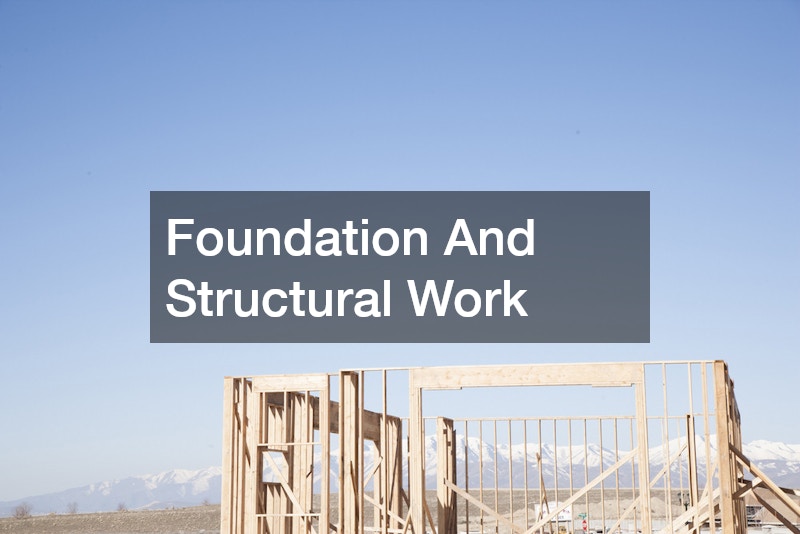
After the foundation is complete, structural framing begins. This phase outlines the shape of the home, including walls, floors, and roof systems. Framing brings the project visibly to life and sets the stage for installing mechanical systems and exterior finishes. Precision and quality workmanship during structural work are vital for the safety, longevity, and overall performance of the home.
Utilities And Infrastructure Installation
Installing utilities is a complex phase that requires coordination among multiple trades. This stage includes electrical wiring, plumbing, heating, ventilation, and air conditioning systems. Each system must be installed according to code and integrated seamlessly into the structure.
For homes not connected to municipal water systems, well drilling may be necessary to provide a reliable water source. This process involves assessing groundwater conditions and installing equipment that meets local regulations. Proper planning ensures adequate water pressure and long-term functionality.
Temporary services are also important during construction. A portable toilet rental is often required to maintain sanitation standards for workers on-site. While seemingly minor, these logistical details contribute to a safe, organized work environment. Properly installed utilities form the backbone of a functional home, supporting comfort, efficiency, and daily living once construction is complete.
Exterior Construction And Roofing
With the structure framed and utilities underway, attention turns to the exterior of the home. Exterior construction includes installing roofing, siding, windows, and doors. These elements protect the interior from weather and contribute significantly to the home’s appearance and energy efficiency.
Roofing systems must be installed carefully to prevent leaks and withstand local climate conditions. Siding materials, whether wood, vinyl, fiber cement, or masonry, are selected based on durability, maintenance requirements, and design preferences. Proper installation ensures insulation and moisture barriers perform as intended.
Exterior work also involves coordinating drainage solutions, such as gutters and grading, to direct water away from the structure. By sealing the building envelope effectively, homeowners protect their investment and create a comfortable interior environment. This phase marks a major milestone, as the home becomes weather-tight and ready for interior finishing.
Interior Systems And Finishes
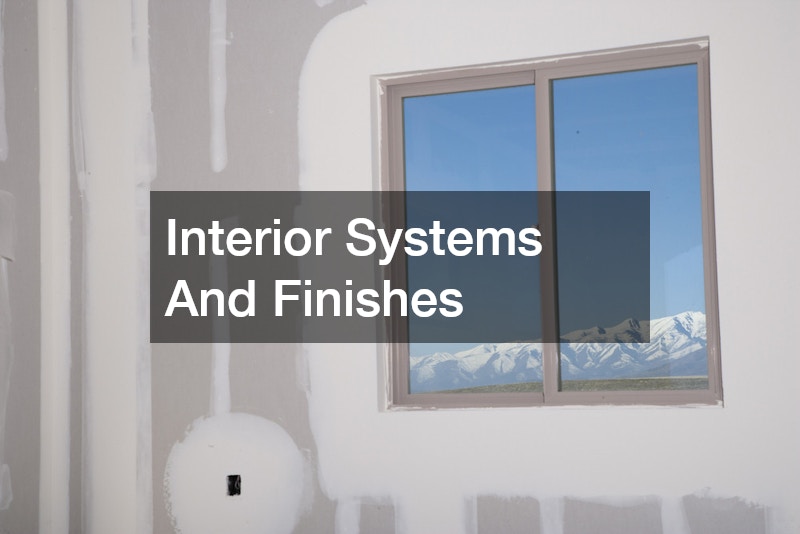
Once the exterior is secure, interior work can progress efficiently. This phase includes insulation, drywall installation, flooring, cabinetry, and painting. Attention to detail is especially important here, as finishes directly affect the look and feel of the home.
Mechanical systems installed earlier are finalized and tested. Electrical fixtures, plumbing service connections, and HVAC components are completed to ensure everything operates safely and efficiently. Inspections are typically required at multiple points to verify compliance with codes.
Interior finishes allow homeowners to personalize their space. Choices in materials, colors, and layouts reflect lifestyle needs and aesthetic preferences. While this stage is often the most exciting, it also requires careful coordination to avoid delays. A well-managed interior finishing phase brings the home closer to completion and livability.
Managing Waste And Jobsite Logistics
Construction generates a significant amount of waste, from packaging materials to leftover building supplies. Effective waste management keeps the site safe, organized, and compliant with local regulations. Many projects rely on a roll off dumpster to collect debris efficiently and prevent clutter from slowing progress.
Logistics management also includes scheduling material deliveries and coordinating subcontractors. Ensuring that supplies arrive when needed helps avoid congestion and damage. Clear access routes for vehicles and equipment are essential for maintaining productivity and safety.
Good job-site organization reduces the risk of accidents and improves overall efficiency. For homeowners, understanding these behind-the-scenes details highlights the complexity of construction management and the value of experienced professionals who can keep the project running smoothly.
Outdoor Spaces And Additional Features
Beyond the main structure, many homeowners incorporate outdoor features into their construction plans. Patios, walkways, driveways, and landscaping enhance both functionality and curb appeal. Hiring a skilled patio contractor can help design outdoor living spaces that complement the home’s architecture and support long-term use.
Driveways and access roads may require coordination with asphalt paving companies to ensure durable, properly graded surfaces. Quality paving supports safe vehicle access and contributes to the overall appearance of the property. Planning these elements early allows for efficient integration with the main construction timeline.
Some homeowners also choose to include recreational features. Working with inground pool builders during the construction phase can streamline installation and reduce future disruptions. Thoughtful planning of outdoor spaces ensures that the home’s exterior is as inviting and practical as the interior.
Inspections, Approvals, And Final Walkthroughs
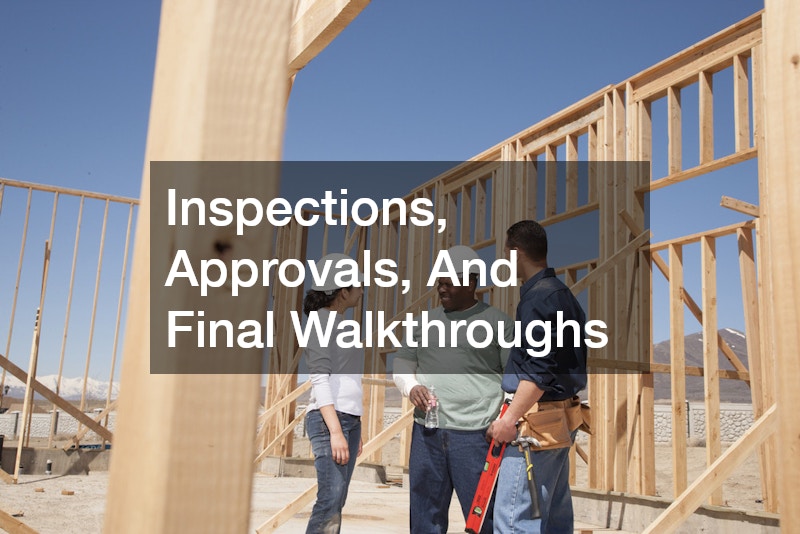
As construction nears completion, inspections become increasingly important. Building inspectors review structural elements, electrical systems, plumbing, and safety features to confirm compliance with codes. Passing these inspections is required before occupancy permits are issued.
Final walkthroughs allow homeowners to review the completed work and identify any remaining issues. This is the time to check finishes, test systems, and confirm that agreed-upon features have been installed correctly. Any deficiencies are typically addressed before final payment is released.
This stage marks the transition from construction site to livable home. Careful attention during inspections and walkthroughs helps ensure that the finished product meets expectations and performs as intended. It also provides peace of mind that the home is safe, functional, and ready for occupancy.
Working With Contractors And Suppliers
Successful home construction depends on effective collaboration with contractors and suppliers. Clear communication, written agreements, and realistic expectations help build positive working relationships. Homeowners should understand the roles of general contractors, subcontractors, and suppliers to navigate decisions confidently.
Selecting reputable professionals is essential. Researching experience, references, and licensing helps ensure quality workmanship. For specialized tasks, such as paving or exterior work, coordinating with experienced asphalt companies can improve durability and long-term performance.
Regular updates and site visits keep homeowners informed and engaged without interfering with progress. By fostering trust and transparency, homeowners can address concerns early and support a smoother construction process from start to finish.
Common Challenges And How To Avoid Them
Even with careful planning, challenges can arise during home construction. Weather delays, material shortages, and design changes are common obstacles that affect timelines and budgets. Understanding these risks helps homeowners respond proactively rather than reactively.
One frequent challenge is underestimating costs. Including a contingency fund helps absorb unexpected expenses without compromising quality. Another issue is miscommunication, which can lead to errors or rework. Clear documentation and regular check-ins reduce this risk.
Flexibility and patience are valuable traits during construction. While not every issue can be avoided, informed decision-making and strong professional partnerships help minimize disruptions. Recognizing potential challenges in advance prepares homeowners to navigate them effectively.
Preparing For Move-In And Long-Term Maintenance
As construction concludes, preparation for move-in begins. This includes setting up utilities, cleaning the home, and addressing any final punch-list items. Planning the move carefully helps protect new finishes and systems from damage.
Long-term maintenance should also be considered early. Understanding warranty coverage, maintenance schedules, and recommended service providers supports the home’s longevity. Routine upkeep of systems and exterior features preserves value and prevents costly repairs.
Home construction does not end on move-in day. Ongoing care ensures that the investment continues to meet needs for years to come. By thinking beyond completion, homeowners set the stage for a comfortable and durable living environment.
Building a home for the first time is a significant undertaking, but it is also a rewarding journey when approached with knowledge and preparation. Understanding each phase of construction—from planning and site preparation to final inspections—helps demystify the process and reduces uncertainty. By learning how different professionals, services, and systems work together, homeowners gain confidence in their decisions and their ability to manage the project effectively.
A beginner’s guide to home construction is not about mastering every technical detail, but about knowing what questions to ask and when to ask them. Thoughtful planning, realistic budgeting, and clear communication form the foundation of a successful build. Attention to logistics, quality workmanship, and long-term maintenance further supports a positive outcome.
Ultimately, a well-built home reflects careful choices made throughout the construction process. With patience, flexibility, and the right team in place, first-time builders can navigate challenges and enjoy the satisfaction of seeing their vision become reality. By staying informed and engaged, you transform home construction from an overwhelming task into an achievable and fulfilling experience.