Key Takeaways
- Begin packing with items you rarely use to reduce stress and keep your daily routine uninterrupted.
- Declutter before boxing your belongings to save time, reduce moving costs, and start fresh in your new home.
- Keep important documents, valuables, and an essentials box with you for easy access during the move.
- Label every box clearly with its destination room and contents to simplify unpacking and organization.
- Protect fragile items with proper packing materials and secure valuable belongings separately during transport.
- Leave everyday necessities until the final packing stage so your household remains functional before moving day.
- Use the move as an opportunity to create better storage systems and establish organized habits in your new home.
Moving to a new home is exciting, but it can also feel overwhelming. One of the biggest challenges is figuring out where to begin. If you pack the wrong items first, you may end up digging through sealed boxes looking for something you still need. On the other hand, waiting until the last minute often leads to rushed packing, damaged belongings, and unnecessary stress.
The key to a successful move is packing in the right order. Instead of boxing up random items, start with the things you rarely use and gradually work toward your everyday essentials. This approach keeps your current home functional while making unpacking easier once you arrive at your new place.
Whether you’re moving across town or relocating to another state, this guide will help you decide what to pack first, what to leave until the end, and how to stay organized throughout the process.
Start With Items You Rarely Use
The easiest place to begin is with belongings you won’t need before moving day. Packing these items first allows you to make progress without disrupting your daily routine.
Think about seasonal decorations, extra bedding, specialty kitchen appliances, collectibles, books you’ve already read, and keepsakes stored in closets or attics. Since these items aren’t part of your everyday life, you probably won’t miss them while preparing for your move.
Packing seldom-used belongings first also gives you time to label boxes carefully and organize them by room.
Making steady progress with low-priority items builds momentum for the rest of your move.
Items to pack first include:
- Holiday decorations
- Photo albums
- Collectibles
- Extra blankets
- Seasonal clothing
- Decorative accessories
Declutter Before You Pack

Packing provides the perfect opportunity to reduce clutter. There’s little reason to spend time and money moving things you no longer use.
As you go through each room, separate belongings into four categories: keep, donate, sell, and recycle or discard. Be honest about whether you’ll actually use each item in your new home.
Selling unwanted furniture, electronics, or household goods can also help offset moving expenses. Donating usable items benefits local charities while reducing the number of boxes you’ll need.
Moving fewer belongings saves both time and effort.
Questions to ask yourself:
- Have I used this in the last year?
- Does it still work?
- Will it fit my new home?
- Is it worth moving?
- Could someone else use it?
Pack Seasonal Clothing Early
Unless you’re moving during a major weather change, much of your seasonal wardrobe can be packed well in advance.
For example, if you’re moving during summer, bulky winter coats, boots, scarves, and heavy sweaters can usually be boxed several weeks before moving day. Likewise, summer clothing can often be packed early during winter moves.
Vacuum storage bags help reduce the amount of space bulky clothing occupies while protecting fabrics from dust and moisture.
Leave enough everyday clothing unpacked to last until after the move.
Good clothing items to pack early:
- Winter coats
- Heavy sweaters
- Snow boots
- Formal clothing
- Extra shoes
- Seasonal accessories
Box Up Decorative Items
Home décor helps personalize your living space, but most decorative pieces aren’t essential during the final weeks before moving.
Wall art, decorative pillows, candles, vases, sculptures, and display items can usually be packed early without affecting your daily routine.
Wrap fragile decorations carefully using packing paper or bubble wrap, and clearly label boxes containing delicate items.
Removing décor early also makes it easier to clean walls and prepare rooms for final inspections.
Decorative items to pack include:
- Picture frames
- Wall art
- Candles
- Vases
- Decorative bowls
- Seasonal decorations
Pack Guest Rooms Before Main Living Areas
If you have a guest bedroom or spare room, it often serves as an excellent starting point for packing.
These rooms usually contain furniture and belongings that aren’t used every day. Packing them early allows you to create temporary storage space for completed boxes while keeping frequently used areas functional.
You can also use the empty room to organize packing supplies and label completed boxes before loading them into the moving truck.
Working room by room makes the entire process feel more manageable.
Guest room items to pack first:
- Extra bedding
- Guest towels
- Decorative items
- Spare furniture accessories
- Books
- Storage containers
Organize Important Documents Separately
Some belongings should never be packed inside ordinary moving boxes.
Keep passports, birth certificates, insurance paperwork, medical records, financial documents, property records, and moving contracts together in a secure folder or portable file box that stays with you during the move.
Having quick access to important paperwork prevents unnecessary stress if you need documentation during the relocation.
Consider creating digital copies of important records as an additional backup.
Documents to keep accessible:
- Identification
- Birth certificates
- Insurance papers
- Medical records
- Financial documents
- Moving contracts
Prepare an Essentials Box
One of the smartest moving hacks is packing a separate essentials box that travels with you rather than inside the moving truck.
This box should contain everything you’ll need during your first day and night in your new home before you’ve unpacked the rest of your belongings.
Include toiletries, medications, phone chargers, snacks, basic cleaning supplies, towels, toilet paper, paper plates, drinking glasses, simple tools, and a change of clothes.
An essentials box prevents late-night searches through dozens of sealed cartons.
Include these essentials:
- Toothbrush
- Soap
- Medications
- Chargers
- Snacks
- Paper towels
- Basic tools
- Fresh clothes
Protect Valuable and Fragile Items
Electronics, jewelry, artwork, heirlooms, and fragile collectibles deserve extra attention during a move.
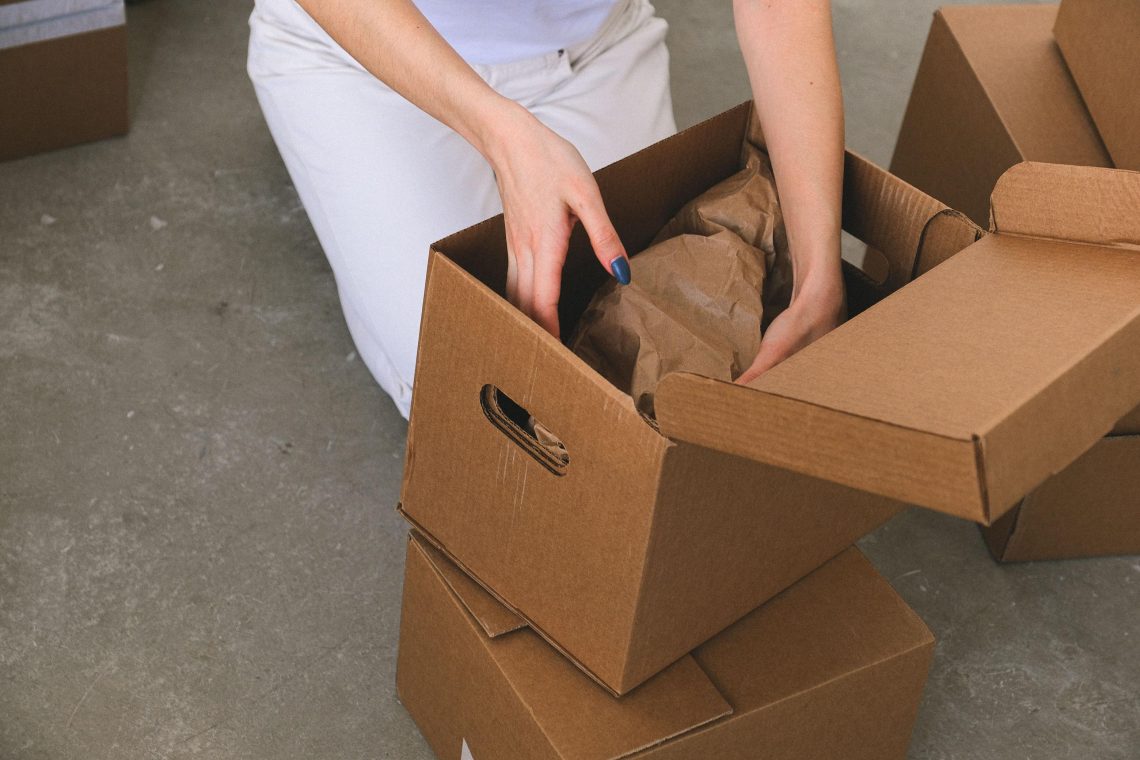
Whenever possible, use original packaging for electronics because it’s designed specifically for safe transportation. Wrap fragile items individually and fill empty spaces inside boxes to prevent movement during transit.
Keep valuable items with you instead of placing them in the moving truck whenever practical.
Careful packing now helps avoid expensive replacements later.
Fragile items require:
- Bubble wrap
- Packing paper
- Strong boxes
- Cushioning materials
- Clear labels
- Careful handling
Stay Prepared for Unexpected Delays
Even the best-planned moves sometimes experience delays caused by weather, traffic, scheduling changes, or unexpected repairs.
Being prepared for changing conditions helps reduce stress if your moving timeline shifts unexpectedly. For example, reviewing hurricane safety tips for families may be helpful if you’re relocating during hurricane season or moving to a coastal region where severe weather could affect travel plans.
Keeping emergency supplies, bottled water, flashlights, phone chargers, and extra medications readily available ensures you’re prepared if moving day doesn’t go exactly as planned.
Flexibility is an important part of any successful move.
Emergency supplies to keep nearby:
- Flashlights
- Water
- Batteries
- Phone chargers
- First-aid kit
- Prescription medications
Think Ahead About Your New Home
Packing isn’t just about leaving your current house—it’s also about preparing for the next one.
If you’re moving into a newly built home, understanding what to expect when building a house can help you prepare for possible delays, unfinished landscaping, warranty inspections, or minor adjustments that often occur during the first few months.
Similarly, if you’re purchasing an older home, consider whether certain belongings should remain packed until renovation or painting projects are completed.
Thinking ahead makes unpacking much smoother once you arrive.
Questions to consider before moving in:
- Will painting be completed first?
- Are appliances installed?
- Is internet service connected?
- Are utilities active?
- Are repairs finished?
Label Every Box Clearly
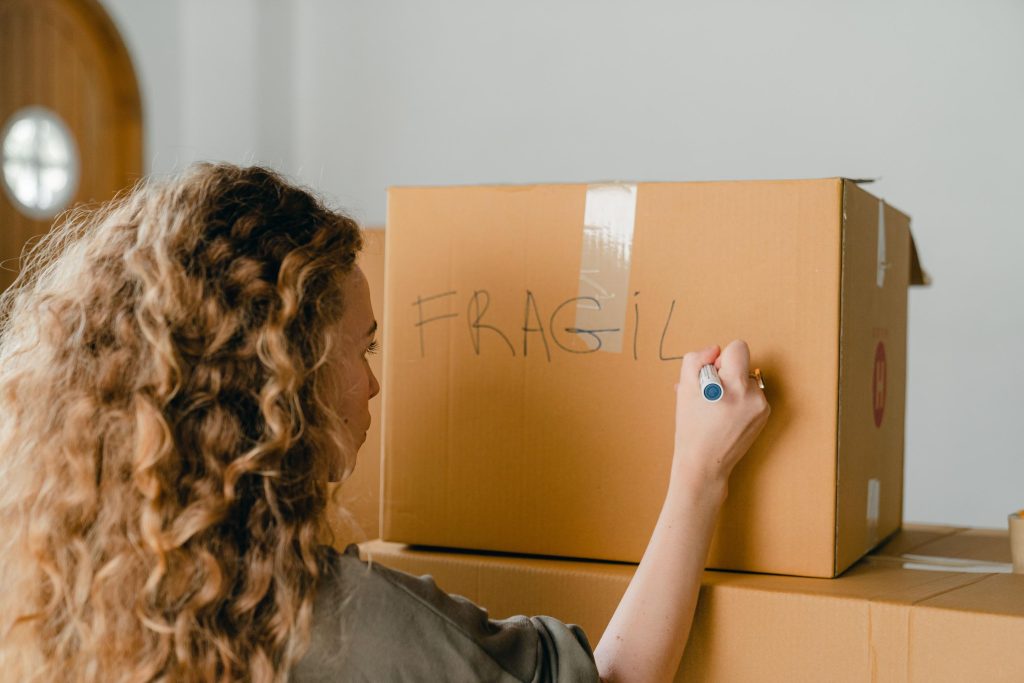
Proper labeling saves countless hours during both moving and unpacking.
Write the destination room, a brief description of the contents, and whether the items are fragile on every box. Numbering boxes and keeping a master inventory list can also help you locate specific belongings more quickly.
Color-coded labels or colored tape provide another simple way to identify which room each box belongs in.
Taking an extra few seconds to label boxes carefully makes unpacking much more efficient.
Include these details on each box:
- Room name
- General contents
- Fragile warning
- Box number
- Priority level
Leave Daily Essentials Until the End
The final items you pack should be the ones you use every day.
Kitchen basics, coffee makers, toiletries, cleaning supplies, pet supplies, chargers, and frequently used clothing should remain accessible until moving day.
Similarly, basic cleaning equipment should stay available so you can clean the home after furniture has been removed.
Packing everyday necessities last keeps your household functional throughout the moving process.
Pack these last:
- Daily clothing
- Toiletries
- Coffee maker
- Cleaning supplies
- Pet food
- Chargers
Use Moving as a Fresh Start
Moving offers more than just a change of address—it provides an opportunity to improve how you organize your belongings and maintain your home going forward.
As you unpack, think carefully about storage solutions that reduce clutter and make daily life easier. Creating organized closets, labeled storage bins, and efficient pantry systems helps prevent clutter from returning.
Many homeowners also discover that saving money with regular home maintenance becomes easier after a move because organized storage makes it simpler to inspect supplies, maintain equipment, and address small problems before they become expensive repairs.
Establishing good habits from the beginning allows you to enjoy your new home with less stress and greater efficiency.
Healthy habits for your new home:
- Organize as you unpack
- Label storage containers
- Create maintenance schedules
- Donate unused items regularly
- Keep important documents organized
Final Thoughts
Knowing what to pack first when moving can make the entire relocation process more organized and far less stressful. By starting with items you rarely use, decluttering before packing, organizing important documents, and preparing an essentials box, you’ll avoid many of the common frustrations that come with moving.
Remember that packing is most effective when done gradually rather than waiting until the final few days. Working room by room, labeling every box clearly, and protecting fragile belongings helps ensure everything arrives safely and is easy to unpack.
Most importantly, view your move as an opportunity for a fresh start. Thoughtful packing, careful planning, and better organization will not only simplify moving day but also help you settle into your new home more quickly and comfortably. With the right approach, you’ll spend less time searching through boxes and more time enjoying the next chapter in your new space.