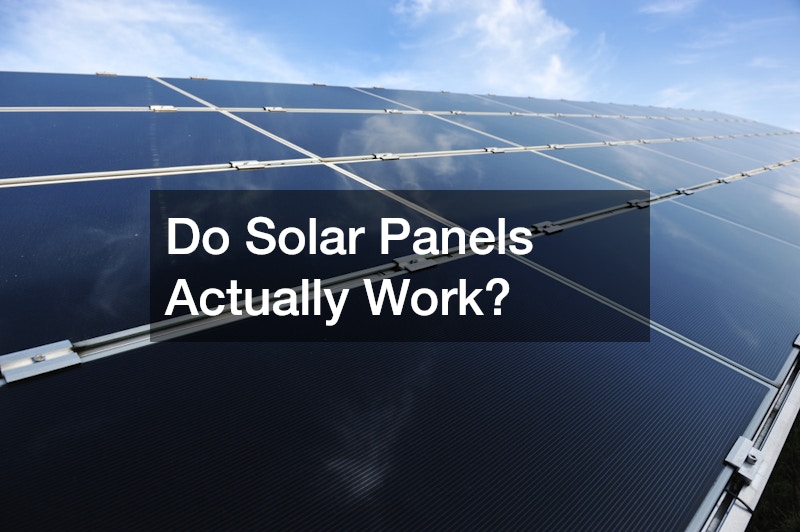
In this article, we will explore the effectiveness of solar panels, addressing common questions and concerns surrounding their efficiency and functionality. With the increasing popularity of renewable energy, more people are considering solar panels as a viable option for their energy needs. However, despite their growing presence, questions around their actual efficiency remain prevalent among consumers.
This exploration will delve into how these panels work, the factors influencing their efficiency, and whether they are a good investment for homeowners. By the end of this article, readers will gain a comprehensive understanding of solar energy and its practical applications. Whether you’re a potential buyer or simply a curious reader, this guide will provide valuable insights into the world of solar technology.
1. How do solar panels convert sunlight into electricity?
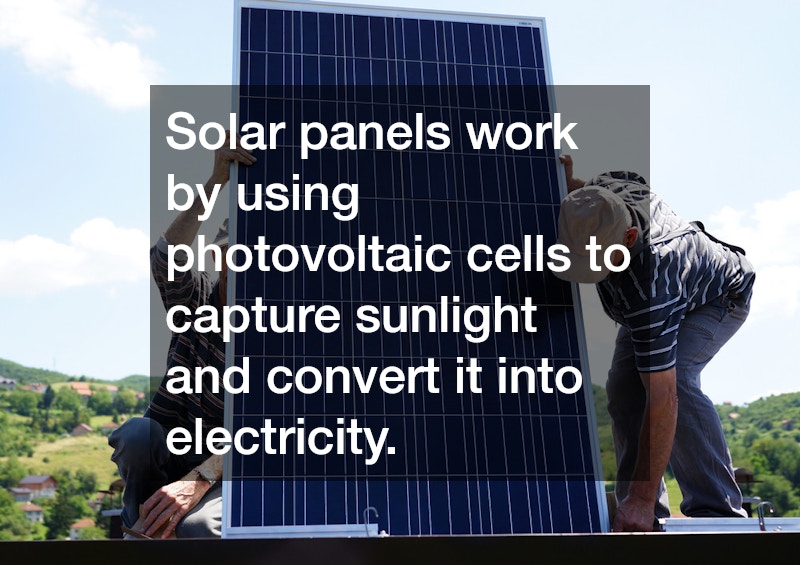
Solar panels work by using photovoltaic cells to capture sunlight and convert it into electricity. These cells are typically made of silicon, a semiconductor material that absorbs the light’s energy and transforms it into an electrical current. When sunlight hits a solar panel, photons from the light knock electrons in the silicon loose, creating a flow of electricity. This process is known as the photovoltaic effect, which is fundamental to solar technology’s ability to produce clean energy. By organizing multiple cells together in a panel, more energy can be harnessed efficiently to power homes and businesses.
The effectiveness of solar panels is greatly influenced by their design and material quality. Higher-grade silicon with fewer impurities can result in more efficient electricity production. Advances in solar technology, such as anti-reflective coatings, help to optimize the absorption of sunlight, increasing the overall output of each panel. Additionally, innovations in solar cell technology, like multijunction cells, are being explored to capture a broader spectrum of sunshine more efficiently. These continuous advancements are crucial as they lead to more effective solutions for converting sunlight to usable electrical energy.
Installation plays a pivotal role in the energy conversion efficiency of solar panels. Panels are most effective when placed at an optimal angle and direction that maximizes exposure to direct sunlight. Incorrect placement can significantly reduce energy production, which is why professional installation is often recommended. Moreover, while solar panels need direct sunlight to generate the maximum output, they can still generate electricity during cloudy days, albeit at reduced efficiency. The surrounding environment, including shading and local weather patterns, must be taken into account when assessing solar panels’ performance and potential yield.
2. What factors affect the efficiency of solar panels?
Several key factors influence the efficiency of solar panels, starting with the geographical location. Areas closer to the equator receive more sunlight year-round, thus providing more opportunities for solar panels to generate energy. The angle and orientation of solar panels are also critical, as they should be positioned to capture the most sunlight throughout the day. Seasonal variations, such as shorter days in winter, can also impact energy production. Consistently optimizing these factors can significantly enhance the energy output from solar panels.
The environmental conditions around a solar panel installation play a crucial role in its efficiency. For example, dust, dirt, and debris can accumulate on the panels, blocking sunlight and thus reducing performance. Regular maintenance and cleaning are vital to ensure that panels operate at their peak efficiency. Additionally, shading from trees or nearby buildings can significantly impair the panels’ ability to generate electricity. Clearing potential obstructions is an important consideration when planning the layout of a solar panel system.
3. Are solar panels worth the investment for homeowners?
For homeowners, solar panels can represent a significant investment with the potential for substantial savings and benefits. Firstly, solar panels can drastically reduce electricity bills, depending on the local utility rates and current energy consumption. Many homeowners see significant savings over time, which can offset the initial costs of installation. Additionally, government incentives, tax rebates, and solar financing options can further enhance the financial attractiveness of solar investments. Over the installation’s lifetime, solar panels can potentially recoup their costs multiple times, providing a sound economic return.
The impact of solar panels extends beyond individual financial benefits, as they also contribute to environmental sustainability. By reducing reliance on fossil fuels, solar panels help diminish carbon footprints and greenhouse gas emissions. This is especially pertinent at a time when climate change poses significant challenges worldwide. For environmentally conscious homeowners, adopting solar technology presents an opportunity to align their home energy use with broader ecological goals. This process not only safeguards the environment but also sets a precedent for a more sustainable future in energy consumption.
Solar panels can be an effective energy solution for many, particularly when considering factors such as efficiency, cost, and environmental impact. As the technology continues to advance, solar panels become more efficient and financially accessible, offering substantial benefits to both individual homeowners and society at large. While each case is unique and requires careful consideration of various factors, the growing adoption of solar panels signals a positive shift towards more sustainable energy practices. By investing in solar panels, homeowners not only contribute to their own energy independence but also to the global effort to combat climate change. This transformative energy solution stands at the forefront of zero-carbon innovation, representing an essential step forward in reshaping our energy landscape.