
Moving into a new property is exciting, but the seasons do not wait for you to unpack every box. Cold weather has a way of exposing weak spots in a home that summer sun conceals, from drafty windows to sluggish drains. If you take action before the first frost, you can avoid emergency repairs, high utility bills, and unpleasant surprises. This guide walks you through the key systems to check and set up so your new property is ready to handle winter with confidence.
Inspect the Roof Before the First Freeze
Your roof is the first line of defense against snow, ice, and freezing rain, so it deserves a close inspection before winter sets in. Walk the perimeter of your home and look up for missing, curling, or cracked shingles, along with granules collecting in gutters, which often signals aging roofing material that won’t hold up well under heavy snow loads. Pay close attention to flashing around chimneys, skylights, and vents, since gaps here are a common entry point for water once ice dams start to form.
Don’t stop at the exterior. Head into the attic with a flashlight and check for daylight coming through the roof boards, damp insulation, or dark stains on the underside of the decking, all of which point to leaks that may not be visible from the ground. A musty smell or sagging in the roofline can also indicate moisture damage that’s been building for a while.
Small issues now, like a handful of loose shingles or a bit of soft decking, can turn into major structural problems once temperatures drop and ice dams push water backward under the roofline. If you are not comfortable getting on a ladder or inspecting the attic yourself, scheduling a visit with local roofers is a smart way to catch problems early. Most offer fall inspection specials, and a thorough check typically costs far less than repairing water damage after a winter storm.
Before the first hard freeze hits, walk the perimeter of your property and look up—missing shingles, curling edges, and granules collecting in the gutters are all signs that the roof needs attention. If you’re not comfortable getting on a ladder, that’s exactly the kind of inspection local roofing services are equipped to handle safely and thoroughly.
Getting an assessment from local roofing services also gives you a clear picture of how much life is left in the existing roof. Most roofs last 20 to 30 years depending on the material, so knowing the installation date helps set expectations for whether you’re looking at minor repairs or a full replacement down the road. Many companies offer free estimates and can point out flashing issues, cracked seals around vents, or ventilation gaps that contribute to ice dams forming along the eaves.
Ice dams alone cause thousands of dollars in water damage each winter, often seeping into attics and ceilings long before homeowners notice a problem. Addressing these concerns in the fall—while temperatures still allow for repairs and materials are readily available—is far less stressful and less costly than dealing with a leak during a snowstorm.
- Check attic insulation depth (aim for R-38 to R-49 in most climates) and look for daylight or drafts that signal poor ventilation
- Look for cracked, curling, or missing shingles, especially on south-facing slopes that endure the most sun damage
- Clear debris from valleys and around vent pipes to prevent water pooling and ice dam formation
- Inspect flashing around chimneys and skylights for gaps that could let melting snow seep in
- Confirm gutters are securely attached and free of sagging before ice season adds extra weight
- Watch for granules collecting in gutters, a sign shingles are wearing thin and may need replacing soon
Clear Gutters and Downspouts Ahead of Snowmelt
Clogged gutters are one of the most common causes of ice dams and water damage during winter. Leaves, twigs, and dirt trap moisture against the roofline, and when temperatures drop, that trapped water freezes and expands. Cleaning gutters thoroughly in the fall keeps water flowing away from your foundation instead of pooling near it.
Downspouts deserve just as much attention as the gutters themselves. Make sure they extend far enough from the house to direct melting snow away from the basement or crawl space. A quick check now can prevent costly foundation repairs later, especially in a property you have not yet seen through a full winter cycle.
- Remove leaves and debris by hand or with a leaf blower
- Flush gutters with a hose to test flow
- Secure loose brackets or sagging sections
- Add downspout extensions if water pools near the foundation
Test Heating Systems Before You Need Them
There is nothing worse than discovering your furnace does not work on the coldest night of the year. Before winter arrives, turn on your heating system and let it run for a while to make sure it cycles properly and produces even heat throughout the house. If you notice strange noises, uneven warmth, or a spike in energy use, it is worth calling HVAC contractors to diagnose the issue while there is still time to schedule a repair.
New homeowners often inherit systems of unknown age and maintenance history, which makes a professional check-up especially valuable. A technician can clean the system, replace filters, and confirm the thermostat is calibrated correctly. Catching a failing part in October is far easier than dealing with a full breakdown in January.
- Replace or clean furnace filters monthly during heavy use
- Test the thermostat and consider a programmable model
- Listen for banging, rattling, or whistling sounds
- Keep vents and registers free of furniture and debris
Protect Pipes and Water Heaters From the Cold

Frozen pipes are a leading cause of winter home emergencies, and they can cause thousands of dollars in damage in a matter of hours. Insulating exposed pipes in basements, crawl spaces, and exterior walls is a simple step that pays off enormously when temperatures drop below freezing. If your new property has older plumbing, it is worth having a plumbing company inspect the system for weak joints or corrosion before the cold weather puts extra strain on it.
Your water heater also works harder in winter, since incoming water is colder and takes more energy to warm up. If you notice inconsistent temperatures, strange noises, or discolored water, do not wait until it fails completely. Scheduling water heater repairs before winter ensures you and your family are not left without hot water during the coldest stretch of the year.
- Insulate pipes in unheated areas like garages and crawl spaces
- Know where your main water shutoff valve is located
- Drain and disconnect outdoor hoses before the first frost
- Set water heater temperature to a safe, efficient level
Schedule a Drain and Sewer Line Check
Slow drains and backed-up sewer lines tend to get worse in winter, when frozen ground and increased water use put extra pressure on your plumbing. A new property is the perfect opportunity to have the main lines inspected, especially if there are mature trees nearby whose roots may have infiltrated older pipes. Catching a partial blockage now is far cheaper than dealing with a full backup during a holiday gathering.
Bringing in experienced plumbers for a camera inspection can reveal issues that are invisible from the surface, such as cracked pipes or buildup from years of use. This is especially important if the home is older or has a septic system that has not been serviced recently. A little diligence in the fall keeps your plumbing reliable all winter long.
- Ask about camera inspections for older sewer lines
- Watch for gurgling sounds or slow drains as early warning signs
- Avoid pouring grease or coffee grounds down kitchen drains
- Have septic tanks pumped on a regular schedule if applicable
Trim Trees and Remove Hazardous Limbs
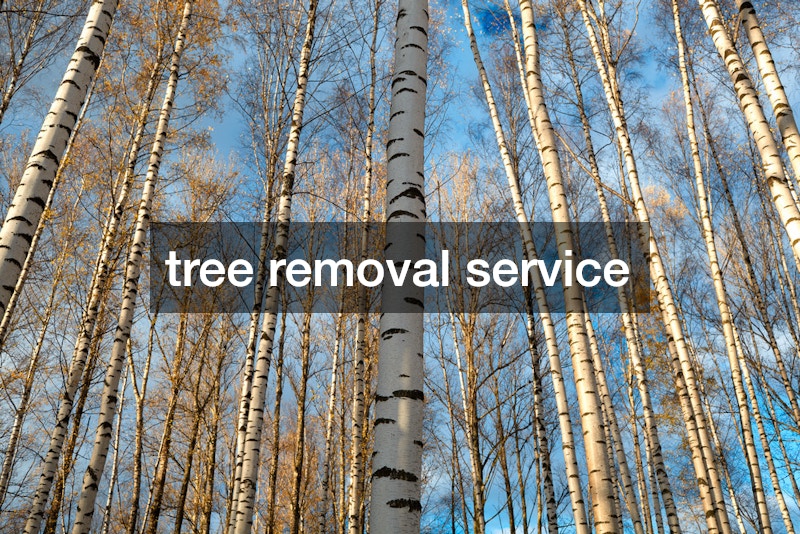
Heavy snow and ice can turn even a healthy-looking tree branch into a serious hazard for your roof, car, or power lines. Before winter storms arrive, walk your property and look for limbs that hang over the house, driveway, or walkways. Weak or overgrown branches are far more likely to snap under the weight of snow, so trimming them back now reduces risk significantly.
For larger trees or those showing signs of disease, it is best to bring in a tree removal service rather than attempting the work yourself. Professionals have the equipment and experience to safely remove hazardous limbs or entire trees without damaging your property. If you are unsure whether a tree needs attention, a consultation with a local tree company can help you decide what can wait until spring and what needs immediate action.
- Remove dead or leaning trees before storm season
- Trim branches at least ten feet from rooflines
- Watch for signs of disease like fungus or bark loss
- Clear fallen limbs promptly to avoid pest issues
Prepare Driveways and Walkways for Ice and Snow

Cracked or uneven pavement becomes a much bigger problem once ice and snow are added to the mix. Water seeps into small cracks, freezes, and expands, turning minor imperfections into major potholes by spring. Sealing and repairing your driveway before winter helps protect the surface and keeps walkways safer for family and visitors.
If your driveway has significant damage or has never been properly sealed, reaching out to asphalt paving companies in the fall is a smart move. Cooler temperatures are actually ideal for certain types of patchwork and sealcoating, and getting it done before the first snowfall gives the material time to cure properly. Waiting until spring often means dealing with the same cracks after a full season of freeze and thaw cycles.
- Fill small cracks before they widen from freeze-thaw cycles
- Apply sealcoat while temperatures are still moderate
- Mark driveway edges for visibility during snow removal
- Stock up on ice melt or sand for slippery areas
Refresh Your Landscaping for Cold Weather Resilience
Landscaping is not just about curb appeal heading into winter, it also plays a role in protecting your home from moisture and erosion. Grading around the foundation should direct water away from the house, and mulch beds can help insulate plant roots against sudden temperature swings. If you inherited an established yard with an unclear layout, working with landscape design services can help you understand what is already planted and how to protect it through the colder months.
Fall is also the right time to plant hardy perennials, aerate the lawn, and clear out summer growth that could harbor pests over winter. A well-planned landscape reduces runoff problems and makes spring cleanup much easier. Taking care of these details now sets a strong foundation for years of enjoyable outdoor space.
- Aerate and fertilize the lawn before the ground freezes
- Cut back perennials and remove dead annuals
- Add mulch around trees and garden beds for insulation
- Check that soil grading slopes away from the foundation
Seal Windows and Doors to Stop Heat Loss
Drafts around windows and doors are among the easiest winter problems to fix, yet they are often overlooked by new homeowners focused on bigger projects. Running your hand along the edges of frames on a windy day can reveal gaps that let cold air in and warm air out. Weatherstripping and caulk are inexpensive fixes that make a noticeable difference in comfort and energy bills.
Older homes in particular may have settled over time, creating gaps that were not there when the windows were first installed. Taking an afternoon to seal these areas before winter arrives can reduce heating costs significantly over the season. It is a small investment of time that pays off every single cold night.
- Check for drafts around window frames and door thresholds
- Apply weatherstripping to worn or damaged seals
- Use caulk on gaps in exterior trim and siding
- Consider storm windows for added insulation in older homes
Getting a new property ready for winter does not have to feel overwhelming when you break it down system by system. Start with the roof and gutters, move through heating and plumbing, and finish with outdoor elements like trees, pavement, and landscaping. Taking these steps now means fewer emergencies and more peace of mind once the temperature drops. A little preparation in the fall is the best gift you can give your new home before winter arrives.