Owning a home for the first time is an exciting milestone, but it also comes with a wide range of responsibilities that can feel overwhelming without proper guidance. From maintaining essential systems inside the home to caring for the exterior, new homeowners must learn how to balance routine upkeep with long-term planning. Developing a clear understanding of how your home functions and what it needs throughout the year can help prevent unexpected repairs, reduce costs, and improve overall comfort and safety.
A well-maintained home is not only more efficient but also retains its value better over time. By establishing good habits early—such as scheduling inspections, addressing minor issues promptly, and working with qualified professionals when needed—homeowners can avoid many common pitfalls.
Understanding Your Home’s Core Systems

Every home relies on a combination of systems that work together to maintain comfort, safety, and functionality. These systems include heating and cooling, plumbing, electrical components, and structural elements. For new homeowners, becoming familiar with how these systems operate is an important first step in effective home management.
Understanding your home’s systems allows you to respond quickly when something goes wrong and communicate effectively with professionals when repairs are needed. Preventive awareness is key to avoiding larger, more expensive issues in the future.
To stay ahead of potential issues, consider the following best practices:
- Learn the location of shut-off valves for water, gas, and electricity
- Review the home inspection report to identify any flagged concerns
- Schedule routine checks for major systems
- Keep documentation for warranties and service records
- Monitor unusual noises, odors, or performance changes
Maintaining Climate Control and Efficiency
Heating and cooling systems play a central role in maintaining indoor comfort throughout the year, regardless of external weather conditions. Regular maintenance ensures these systems operate at peak efficiency and reduces the likelihood of unexpected malfunctions. New homeowners should prioritize seasonal servicing, typically in the spring for cooling systems and in the fall for heating systems, to prepare equipment for increased demand during extreme temperatures. During these service appointments, technicians can inspect components such as filters, coils, refrigerant levels, burners, and electrical connections to identify wear, blockages, or potential safety concerns before they develop into larger issues. Routine tasks like replacing air filters, cleaning vents, and ensuring proper airflow also contribute to consistent performance and healthier indoor air quality.
Proper maintenance not only enhances comfort but also plays a significant role in reducing energy consumption and operational costs. A well-maintained system does not need to work as hard to regulate temperature, which translates into improved efficiency and lower utility bills over time. Neglecting maintenance, on the other hand, can lead to clogged filters, restricted airflow, and mechanical strain, all of which increase energy usage and accelerate system wear. Additionally, preventative care helps minimize the risk of sudden breakdowns during periods of extreme heat or cold, when HVAC systems are under the greatest stress. By investing in regular upkeep and timely professional servicing, homeowners can extend the lifespan of their equipment, avoid emergency repairs, and maintain a reliable, comfortable indoor environment year-round.
Practical steps include:
- Replace air filters regularly to maintain airflow
- Checking thermostat settings for accuracy and efficiency
- Scheduling seasonal tune-ups before peak usage periods
- Ensuring vents and ducts are unobstructed
- Sealing gaps around windows and doors to reduce energy loss
Managing Waste and Cleanup During Home Setup

Moving into a new home often involves unpacking, organizing, and completing small projects that generate waste. Managing debris efficiently helps keep the property safe and organized during this transition period.
When dealing with leftover materials such as packaging, furniture components, or renovation debris, dumpster rental can simplify cleanup by providing a centralized location for disposal. This approach is especially helpful during move-in projects or early upgrades, allowing homeowners to avoid multiple trips to disposal sites and maintain a clean environment throughout the process.
Another common cleanup challenge involves handling leftover construction materials like pallets used for shipping appliances or furniture. Proper wood pallet disposals ensure these items are removed safely and responsibly, preventing clutter and potential hazards around the property. Sorting materials early and disposing of them correctly helps maintain an organized and functional living space.
Working With Professionals for Interior and Exterior Systems
Hiring qualified professionals is essential when managing complex home systems that require technical expertise. These specialists help ensure installations, repairs, and maintenance tasks are completed correctly and safely.
An HVAC contractor can assist with installing, servicing, and optimizing heating and cooling systems. Their expertise ensures that equipment operates efficiently and meets the demands of your household. Regular inspections and maintenance visits from a qualified technician can extend system lifespan and improve overall performance.
When planning a move, coordinating with local moving companies can significantly reduce stress and streamline the transition into your new home. These professionals handle transportation, logistics, and heavy lifting, allowing homeowners to focus on settling in and organizing their space.
Working with experienced service providers helps ensure that both interior systems and logistical tasks are handled efficiently, minimizing disruption and improving overall home setup.
Protecting Your Home’s Exterior Surfaces
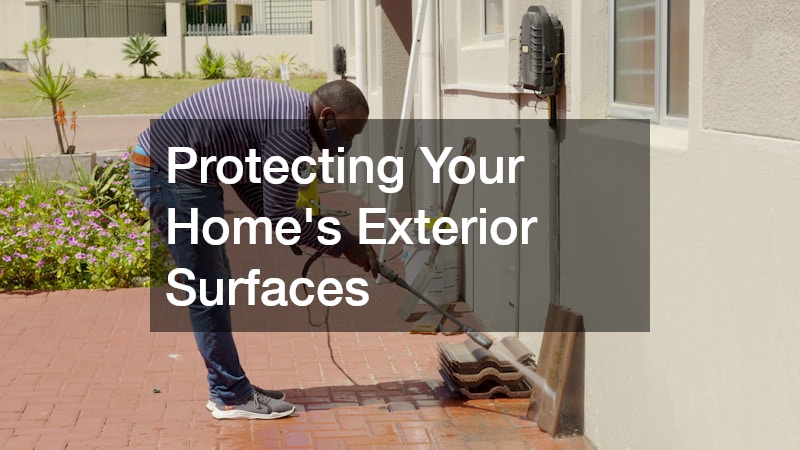
The exterior of your home is constantly exposed to environmental elements such as rain, wind, sunlight, and debris. Over time, dirt, mildew, and grime can accumulate on surfaces, affecting both appearance and durability. Regular cleaning helps preserve materials and maintain curb appeal.
Using power washing services is an effective way to remove buildup from siding, driveways, patios, and walkways. Professional cleaning can restore surfaces to their original condition while preventing long-term damage caused by contaminants. Consistent upkeep of exterior surfaces helps protect your home from deterioration and enhances its overall appearance.
Routine exterior maintenance should include:
- Cleaning surfaces at least once or twice per year
- Inspecting for cracks, stains, or discoloration
- Removing mold, algae, or mildew growth
- Clearing debris from gutters and drainage areas
- Checking for signs of wear after severe weather
Roof Maintenance and Inspection Essentials
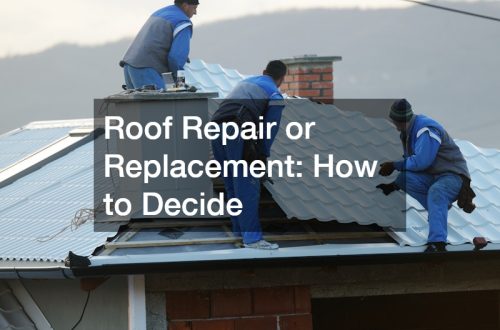
The roof is one of the most critical components of any home, serving as the primary barrier against weather conditions such as rain, snow, wind, and extreme temperatures. Because it is constantly exposed to the elements, even small issues can gradually develop into significant problems if left unaddressed. Regular inspections—ideally conducted at least once or twice a year, as well as after major storms—help homeowners identify early signs of wear, including missing shingles, cracked flashing, sagging areas, or debris buildup in valleys and gutters. Paying attention to these details allows homeowners to stay ahead of potential leaks and structural damage, ensuring the roof continues to perform its protective role effectively over time.
A local roofer can provide a professional evaluation that goes beyond what is visible from the ground, using their training and experience to identify hidden concerns such as moisture intrusion, compromised underlayment, or weakened support structures. These professionals can also recommend targeted repairs or maintenance strategies tailored to the specific condition and age of the roof, helping homeowners make informed decisions about upkeep or replacement when necessary. Routine maintenance and timely repairs not only extend the lifespan of the roofing system but also help prevent costly issues such as interior water damage, mold growth, and insulation deterioration. By prioritizing regular inspections and professional support, homeowners can maintain a durable, weather-resistant roof that safeguards the entire home.
Homeowners should:
- Inspect the roof visually after storms
- Look for missing or damaged shingles
- Check for water stains on ceilings inside the home
- Keep gutters clean and free of debris
- Schedule professional inspections periodically
Exterior Structure and Cladding Care
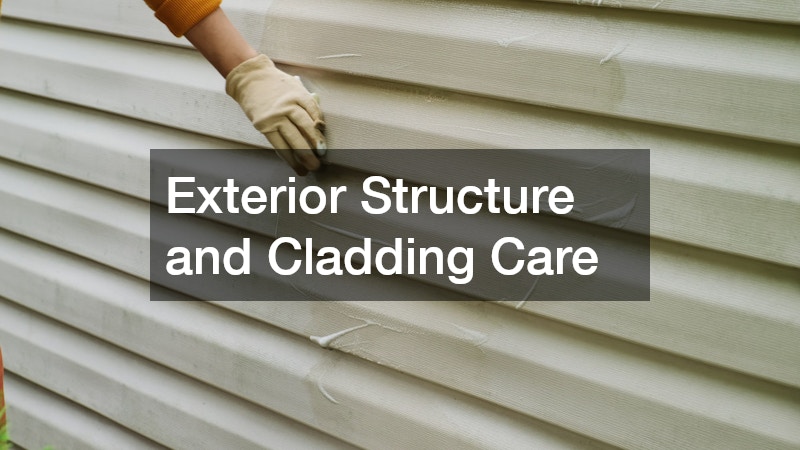
Exterior siding plays a vital role in protecting your home from the elements while also contributing to its appearance. Over time, siding materials may experience wear due to weather exposure, temperature fluctuations, and aging.
Siding installation or replacement may become necessary if panels are damaged, warped, or no longer provide adequate protection. Upgrading or repairing siding can improve insulation, enhance energy efficiency, and refresh the home’s exterior look. Proper care of exterior cladding helps maintain both the structural integrity and visual appeal of your home.
Regular maintenance includes:
- Cleaning siding to remove dirt and debris
- Inspecting for cracks, holes, or loose panels
- Repainting or resealing when needed
- Addressing moisture-related damage promptly
- Ensuring proper installation to prevent gaps
Perimeter Security and Property Boundaries
Fencing serves multiple important roles for a property, offering privacy, defining clear boundaries, and enhancing overall security. It creates a designated space that helps prevent unauthorized access while also providing a safe enclosure for children and pets to move freely within the yard. Beyond functionality, fencing contributes significantly to curb appeal, as the style, height, and material can complement the home’s exterior design. Whether used to block visibility from neighboring properties or to establish a secure perimeter, a properly installed fence adds both practical and aesthetic value to a home. Regular inspections are also important to identify issues such as leaning posts, loose panels, rust, or weather-related wear that could compromise the fence’s effectiveness over time.
Fence companies provide homeowners with a wide variety of materials and design options, allowing them to choose a solution that aligns with their specific needs and preferences. Common materials include wood for a natural look, vinyl for low maintenance, metal for durability, and composite options that combine strength with modern aesthetics. When selecting a fence, homeowners should consider factors such as climate conditions, maintenance requirements, budget, and intended use. Proper installation is essential to ensure long-term stability, as poorly set posts or incorrect alignment can lead to premature damage or structural failure. Routine upkeep—such as cleaning, sealing, painting, or replacing damaged sections—helps extend the lifespan of the fence and maintain its appearance. By investing in the right materials and ongoing maintenance, homeowners can enjoy a durable, functional barrier that enhances both safety and property value.
Key considerations include:
- Selecting materials suited to your climate
- Ensuring proper installation for stability
- Maintaining fences through regular inspections
- Repairing damage caused by weather or wear
- Checking for alignment and structural integrity
Safety Systems and Emergency Preparedness
Safety systems are a critical component of any home, designed to detect hazards early and provide timely warnings that allow occupants to respond quickly. These systems include smoke and carbon monoxide detectors, security alarms, and emergency response tools that work together to create a safer living environment. When functioning properly, they can alert homeowners to issues such as fire, gas leaks, or unauthorized entry, giving valuable time to take action and prevent harm. For new homeowners, understanding where these devices are located, how they operate, and how often they need maintenance is an important part of establishing a secure household. Regular checks, such as testing alarm batteries and verifying sensor functionality, help ensure these systems remain reliable when they are needed most.
Fire protection service providers play an important role in both the installation and ongoing maintenance of safety equipment throughout the home. These professionals can assess your property and recommend appropriate solutions, including strategically placed smoke detectors, accessible fire extinguishers, and, in some cases, integrated sprinkler systems for added protection. Routine servicing ensures that all components are functioning correctly, compliant with safety standards, and ready to perform in an emergency.
Homeowners should:
- Test smoke and carbon monoxide detectors monthly
- Replace batteries as needed
- Keep fire extinguishers accessible and inspected
- Develop and practice emergency evacuation plans
- Store emergency contact information in an accessible location
Special Considerations for Newly Built Homes
A new construction home often requires additional attention during its first few years as materials settle and systems stabilize. New homeowners should be aware of potential adjustments and minor maintenance needs that may arise during this period. Regular monitoring and early maintenance help ensure that a newly built home continues to perform as expected while minimizing the likelihood of unexpected issues.
Common considerations include:
- Monitoring for settling cracks in walls or foundations
- Checking plumbing connections for leaks
- Verifying proper operation of installed systems
- Reviewing builder warranties and coverage terms
- Scheduling follow-up inspections after occupancy
Successfully managing a home requires attention to both internal systems and external features. By developing consistent maintenance habits, staying informed about how your home operates, and working with qualified professionals when necessary, homeowners can protect their investment and maintain a safe, comfortable living environment. Each aspect of home care—from climate control and structural maintenance to exterior upkeep—plays a role in preserving long-term value and functionality.
New homeowners who take a proactive approach to maintenance are better equipped to handle challenges as they arise and avoid costly repairs in the future. With the right knowledge, planning, and resources, maintaining a home becomes a manageable and rewarding responsibility that supports both everyday comfort and long-term stability.