
Buying a first home is exciting, but ownership also introduces a long list of decisions that can feel unfamiliar. Beyond furnishing rooms and unpacking boxes, new homeowners often need to think about safety, comfort, maintenance, outdoor spaces, energy use, and long-term property value. Trying to address everything at once can quickly become expensive, so the best approach is to prioritize projects based on urgency, budget, and how much each improvement will affect daily life.
Some upgrades are practical, such as fixing damaged fencing or improving drainage. Others make the property more enjoyable, including a new deck, updated window coverings, or a more functional backyard. Yard improvements can also reduce maintenance demands and make outdoor areas easier to use. By approaching improvements in phases, new homeowners can create a home that works better for them without taking on unnecessary projects too quickly.
A useful way to begin is to walk through the property with a notebook and list anything that affects function, safety, appearance, or upkeep. Photos can help document areas that may need attention later. This simple inventory gives homeowners a clearer picture of the entire property and makes it easier to compare wants with actual needs. It can also reduce impulse spending on highly visible upgrades when less noticeable repairs deserve attention first.
The following ideas can help first-time owners decide where to begin, what to evaluate, and when professional help may be worth considering.
Start With Safety, Structure, and Immediate Repairs
Before focusing on cosmetic updates, new homeowners should take care of problems that can affect safety or cause additional damage. A home inspection may already identify concerns involving roofing, electrical systems, plumbing, moisture, grading, exterior structures, or damaged walkways. Reviewing those findings after closing can help owners separate urgent work from projects that can wait.
Exterior boundaries deserve attention as well. Loose posts, broken gates, leaning sections, or damaged panels can create security concerns, especially for households with children or pets. Scheduling fence repairs early may be more economical than waiting until a small problem affects a larger portion of the structure. Homeowners should also inspect retaining walls, steps, patios, driveways, and other hard surfaces for movement or deterioration.
It is useful to create three categories: immediate repairs, improvements needed within the first year, and optional future upgrades. This keeps homeowners from spending too much on decorative changes while overlooking issues that could become more expensive later.
When a repair is beyond a simple do-it-yourself task, hiring a qualified professional can help protect the property. New owners should request written estimates, understand what is included, and verify any required licenses or insurance before work begins.
Prioritizing improvements this way can also make contractor conversations more productive because homeowners can explain their goals, timing, and budget before requesting recommendations or estimates.
Make the Yard Easier to Maintain
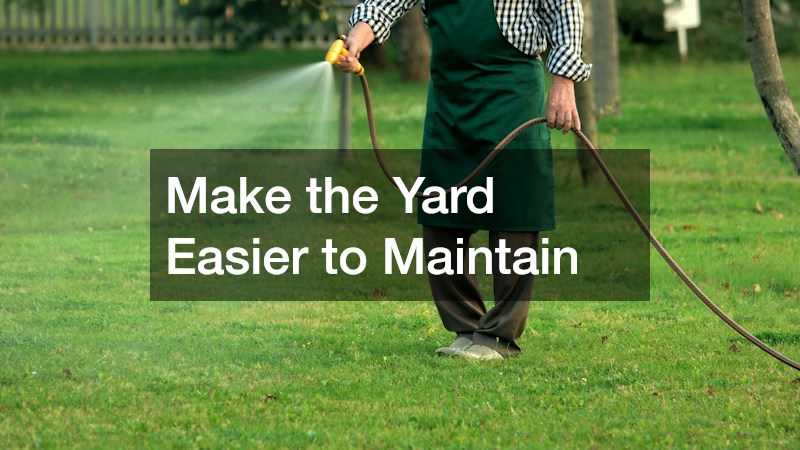
A new yard can be appealing, but it may also require more work than expected. Grass, shrubs, trees, garden beds, weeds, irrigation, and seasonal cleanup all need attention. Before making major landscaping changes, homeowners should spend some time learning how water moves through the property, which areas receive sun, and what plants are already established.
Basic lawn and garden supplies can make routine maintenance easier. Depending on the property, owners may need pruning tools, hoses, mulch, soil amendments, rakes, shovels, fertilizer, weed-control products, or simple storage solutions. Buying only what is immediately useful helps prevent unnecessary spending during the first year.
Some homeowners prefer to handle mowing and seasonal cleanup themselves, while others decide that local lawn care is a better fit for their schedule. Professional services may be especially useful for larger lots, properties with steep grades, or landscapes that require specialized treatment.
Before replacing healthy plants or changing the entire layout, new owners can observe the yard through different seasons. This makes it easier to see where shade develops, where water collects, and which areas are difficult to maintain. A thoughtful first year often leads to better landscaping decisions than making large changes immediately after moving in.
Improve Outdoor Privacy and Boundaries
Privacy is one of the first outdoor concerns many new homeowners notice. A yard that felt spacious during a showing may feel more exposed once people begin using the patio, letting pets outside, or spending time near neighboring properties. Fencing can define the lot, improve privacy, create safer play areas, and help organize outdoor spaces.
Homeowners considering a new fence should first confirm property lines, local setback requirements, homeowner association rules, and any permit requirements. It is also important to think about material choices. Wood offers a traditional appearance but usually requires ongoing maintenance, while vinyl, aluminum, and composite materials may have different costs and care requirements.
Experienced fence builders can help evaluate layout, gate placement, terrain, drainage, and material options. A professional can also identify challenges such as slopes, existing utilities, tree roots, or tight access areas that may influence the installation.
If the property already has fencing, replacement may not be necessary. Small fence repairs can often extend the useful life of a structure when the damage is limited to hardware, individual boards, posts, or gates. Comparing repair costs with replacement costs gives homeowners a clearer sense of which option makes the most financial sense.

Create Functional Outdoor Living Areas
A backyard becomes more useful when it has defined areas for relaxing, dining, cooking, gardening, or entertaining. New homeowners do not need to build everything at once. Starting with a simple plan can prevent separate projects from competing for space or creating drainage problems.
Decks are a popular way to create an outdoor gathering area. Homeowners researching composite decking installation should compare material costs, color options, heat retention, maintenance needs, warranties, framing requirements, and long-term performance. Composite products generally require less routine staining than traditional wood, but proper installation is still important for drainage, ventilation, fastening, and structural support.
Patios, walkways, seating walls, fire-pit areas, and garden borders can also make a yard more functional. A hardscape installer can help determine how materials should be placed and graded so that water moves away from the house and finished surfaces remain stable. This can be particularly important on sloped or poorly drained properties.
Concrete may be useful for pads, walkways, footings, repairs, or small structural projects. For projects that do not require a full truckload, local metered concrete services may provide homeowners or contractors with access to the amount of material needed without ordering more than the project requires.
Plan Irrigation Before Expanding the Landscape
Watering needs can change quickly when homeowners add garden beds, new grass, shrubs, trees, or outdoor living areas. Dragging hoses around the yard may work temporarily, but it can become inconvenient on larger properties or during dry weather.
Before installing irrigation, homeowners should identify what actually needs regular watering. Established native plants may require less supplemental water than new turf or ornamental landscaping. Soil type, sun exposure, slope, drainage, and local weather patterns also affect how quickly an area dries out.
Lawn sprinkler systems can make watering more consistent when they are designed for the specific property. Zones allow different areas to receive different amounts of water, while timers and weather-responsive controls can help prevent unnecessary watering. Correct sprinkler placement also reduces the amount of water that lands on sidewalks, fences, siding, or driveways.
Homeowners should avoid assuming that more irrigation is always better. Overwatering can contribute to weak root systems, fungal issues, standing water, and runoff. Checking for leaks, clogged heads, overspray, and uneven coverage can keep a system operating more efficiently.
Planning irrigation before installing expensive landscaping or hardscaping can also prevent future disruption. It is much easier to place lines and connections before new patios, paths, or planting areas are completed.

Control Sunlight and Heat Inside the Home
Outdoor projects often receive a lot of attention, but indoor comfort improvements can have an immediate effect on everyday living. Windows that receive strong afternoon sun can make certain rooms noticeably warmer, increase glare, and create uncomfortable conditions for working, watching television, or sleeping.
Window coverings offer a relatively simple way to manage light without making major structural changes. A solar shade is designed to reduce glare and limit some solar heat while still allowing varying levels of outward visibility, depending on the fabric. This can make it useful in living rooms, offices, sunrooms, and other spaces with substantial daylight.
Roller shades offer another streamlined option. They are available in light-filtering and room-darkening materials and can work well in spaces where homeowners want a clean appearance with straightforward operation. The right choice depends on privacy needs, window orientation, desired light levels, and the way the room is used.
Before ordering window coverings, homeowners should measure carefully and decide whether they prefer inside- or outside-mount installation. It is also helpful to consider furniture placement, trim depth, window handles, and nearby doors. Small planning details can prevent fit problems and help homeowners choose products that work well throughout the day.
Budget for Projects in the Right Order
Home improvement spending can add up quickly during the first year of ownership. In addition to the mortgage, homeowners may face moving expenses, utility setup costs, new furniture, tools, insurance, taxes, and unexpected repairs. A realistic improvement budget makes it easier to avoid using money reserved for emergencies.
New homeowners should also leave room in the budget for routine maintenance. Even a recently renovated house will need recurring work such as gutter cleaning, HVAC servicing, caulking, lawn maintenance, and seasonal inspections. Setting aside money each month for these predictable expenses can make ownership less stressful. It also helps homeowners avoid postponing basic care because funds have already been committed to optional upgrades. A project calendar can spread costs across the year and show which improvements should be coordinated.
Projects should generally be prioritized according to risk and function. Water intrusion, electrical concerns, structural problems, unsafe walkways, failing fencing, or drainage issues should usually come before decorative upgrades. After urgent work is addressed, homeowners can focus on improvements that reduce maintenance, improve comfort, or make frequently used spaces more functional.
Obtaining multiple estimates can also clarify whether a project fits the current budget. Prices can vary based on materials, site conditions, labor needs, access, and project scope. Homeowners should compare the details of each estimate instead of choosing based only on the lowest total.
Larger projects can often be divided into phases. A homeowner might prepare a backyard one year, install a patio or deck later, and add landscaping afterward. This approach allows the property to evolve without requiring every improvement to be financed at the same time.
Keeping records is equally important. Receipts, contracts, warranties, permits, paint colors, product information, and maintenance notes can be useful for future repairs and eventual resale.

Build a Long-Term Plan for the Property
The most successful home improvements usually come from understanding how the property is actually used. New homeowners may initially imagine major renovations, only to discover after several months that smaller changes would solve the problems that matter most. Living in the home through different seasons provides valuable information about sunlight, drainage, privacy, storage, traffic patterns, and maintenance demands.
A written three- to five-year plan can help organize future goals. It may include replacing aging fencing, improving outdoor seating, adding irrigation, upgrading window coverings, redesigning garden areas, or installing more durable surfaces. Assigning approximate costs and priorities to each project makes the plan easier to adjust as circumstances change.
Homeowners should also think about how separate projects interact. A future deck may affect landscaping. New fencing may change gate access. A patio may require grading or concrete work. Irrigation should be planned before permanent hardscaping is installed. Looking at the property as one connected system can prevent duplicated work and unnecessary expense.
First-time ownership is a learning process, and there is no need to complete every improvement immediately. Taking care of essential repairs, observing the property, establishing a realistic budget, and choosing projects deliberately can lead to better results. Over time, thoughtful upgrades can make a home safer, easier to maintain, more comfortable, and better suited to the people who live there.