
Moving into a new home brings a unique mix of exhilarating anticipation and profound overwhelm. Whether you have just purchased a brand-new build featuring pristine, untouched surfaces or a pre-loved house with decades of history, stepping across the threshold for the first time reveals a blank canvas. It can be incredibly tempting to rush out and buy matching furniture sets just to fill the empty rooms, but this approach often results in a sterile, cookie-cutter aesthetic that lacks soul. A house only transforms into a home when it genuinely reflects the personalities, travels, preferences, and daily rhythms of the people who live inside it. True personalization is not merely about scattering decorative pillows across a sofa or hanging a few mass-produced frames on the walls. It is a thoughtful, strategic process that blends fundamental structural upgrades, cosmetic refreshes, and curated personal details. By taking a deliberate approach, you can create a cohesive environment that functions beautifully while telling your unique story.
Define Your Aesthetic Before Buying Furniture

Before you start browsing online marketplaces or visiting local showrooms, you must take the time to establish a clear design direction. Rushing into major purchases without a definitive plan often leads to visual chaos, mismatched scales, and buyer’s remorse. A home feels most harmonious when there is a common thread connecting each room, even if individual spaces have their own distinct functions and moods.
To build a reliable roadmap for your interior styling, consider implementing these fundamental design strategies:
- Develop a cohesive mood board: Collect images that resonate with you, looking for common themes. You might notice a recurring preference for the clean lines of mid-century modern design, the rustic warmth of a European cottage, or the moody texture of industrial spaces.
- Establish a strict color palette: Choose three to five core colors that will appear throughout your entire home. A reliable formula includes one dominant neutral for the main walls, a secondary neutral for trim or large furniture, and two carefully chosen accent colors to weave through textiles and art.
- Analyze spatial flow and traffic patterns: Walk through your empty rooms and note how movement naturally occurs. Avoid blocking pathways with oversized furniture, and ensure that every seating arrangement encourages conversation and comfort.
- Evaluate natural light throughout the day: Observe how sunlight shifts through your windows from morning to evening. A color that looks bright and airy in a south-facing room might appear cold and gray in a north-facing bedroom.
Once you have a firm grasp on your personal style direction, it is time to look at the structural bones of your interior. While DIY projects are wonderful for minor cosmetic fixes, collaborating with certified home designers early in the process can save you thousands of dollars in mistakes. These professionals possess the spatial awareness to help you maximize awkward floor plans, optimize storage, and ensure that your furniture scales perfectly with the height of your ceilings.
In tandem with layout optimization, prioritizing your home’s illumination is vital for establishing ambiance. Bringing in a licensed electrical contractor allows you to address lighting shortcomings before you finish painting and decorating. They can install architectural statement chandeliers, convert standard switches to smart dimmers, and wire hidden LED accent strips beneath cabinetry or inside architectural niches. This intentional layer of light instantly elevates the mood of your home, transforming basic rooms into highly tailored, dramatic spaces when night falls.
Upgrade Your Front Door to Set the Tone
The exterior of your property acts as the prologue to the story told inside your home. It creates the very first impression for guests and welcomes you back at the end of every long day. Standard builder-grade entries often lack character, but with a few deliberate changes, you can craft a front entrance that hints at the beautiful interior styling awaiting beyond the threshold.
To maximize the impact of your home’s curb appeal, focus on these actionable entryway upgrades:
- Introduce bold, unexpected color: Paint your entry door in a shade that contrasts beautifully with your exterior siding. Deep plum, earthy sage green, mustard yellow, or high-gloss black can instantly make a home look customized and high-end.
- Upgrade architectural hardware: Swap out lightweight, standard doorknobs for heavy-duty, solid brass or matte black handlesets that feel substantial to the touch.
- Incorporate modern house numbers: Replace generic numbers with a clean, contemporary typeface that matches the architectural style of your home.
- Flank the entrance with symmetrical greenery: Place large, high-quality planters on either side of the doorway filled with seasonal florals or structured evergreens to add life and texture.
Sometimes, a simple coat of paint cannot salvage an old, inefficient, or uninspiring front entryway. Investing in a professional exterior door install is one of the most effective ways to boost curb appeal while drastically improving your home’s energy efficiency and security. Choosing a new door with custom glass inserts, architectural paneling, or a rich wood grain finish establishes a sense of permanence and luxury from the moment anyone approaches your property.
After perfecting the public-facing areas, direct some attention toward the hard-working utilitarian spaces that you interact with daily. The garage or mudroom is often the true main entrance for a homeowner, yet it is frequently left unfinished and uninspiring. To make this transition zone feel clean and cohesive, applying a durable epoxy flooring solution can be a total game-changer. This heavy-duty coating completely transforms stained, cracked concrete into a sleek, reflective surface that is incredibly easy to clean, completely oil-resistant, and visually reminiscent of a high-end showroom.
Use Accent Walls and Custom Hues to Zone Your Spaces
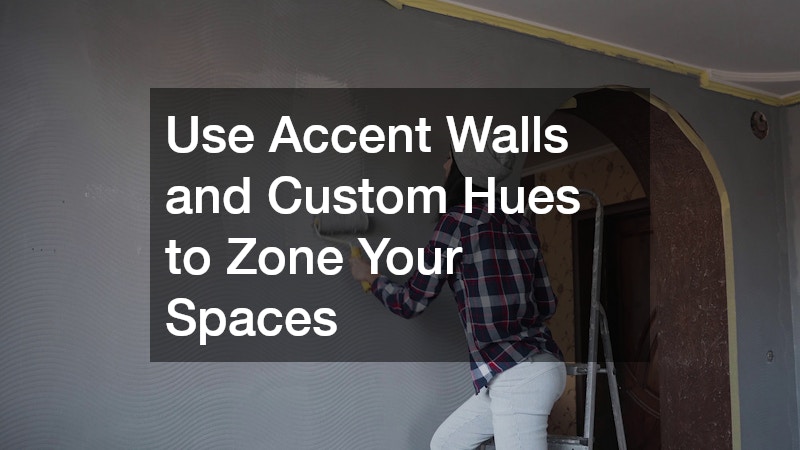
Color is undoubtedly the most powerful, cost-effective tool at your disposal for altering the perception of space and injecting personal style. Moving past generic, mass-produced off-white walls allows you to define distinct zones within your home, create cozy sanctuaries, or make expansive rooms feel much more intimate and grounded.
Consider these creative ways to utilize paint and architectural detailing to add depth to your rooms:
- Embrace the fifth wall: Do not automatically paint your ceilings bright white. Utilizing a soft, complementary tint or dropping a moody, dark color onto the ceiling can make a tall room feel incredibly intimate and architecturally deliberate.
- Incorporate tonal color drenching: Paint your walls, baseboards, window trim, and crown molding the exact same color, using a flat finish on the walls and a satin finish on the trim. This technique eliminates visual distraction and makes spaces feel larger.
- Install architectural millwork: Add character to flat drywall by installing floor-to-ceiling board and batten, elegant picture frame molding, or modern vertical slats before applying your final paint color.
Executing a flawless paint job across expansive walls or intricate millwork requires an immense amount of time, patience, and specialized equipment. Hiring professional painting services guarantees crisp, clean lines along your baseboards and ceilings, perfectly smooth surfaces without visible roller marks, and proper preparation that ensures your investment lasts for years to come. Professional painters can also help you choose the exact finishes, from durable eggshell for high-traffic hallways to rich matte for formal dining spaces.
Once your walls are cloaked in your chosen palette, look closely at your fixed cabinetry to see how it can be tailored to match. Replacing entire banks of cabinets in kitchens, bathrooms, or laundry rooms is incredibly expensive and often unnecessary. Instead, utilizing specialized cabinet services allows you to completely transform your existing storage. Professionals can spray your current cabinet boxes with factory-grade finishes, replace dated doors with classic shaker-style profiles, or add custom crown molding. This approach gives you a completely bespoke, high-end look tailored precisely to your design vision for a fraction of the cost of a full remodel.
Layer Your Windows for Texture and Softness

Windows are the architectural eyes of a home, yet their coverings are frequently treated as an afterthought. Leaving windows bare or relying on cheap, plastic horizontal blinds can make even the most beautifully furnished room feel cold, echoey, and incomplete. Proper window styling introduces essential softness, controls natural light, and adds a vital layer of texture that ties your decor together.
To design a beautiful and functional window strategy, keep these styling principles in mind:
- Hang drapery high and wide: Mount your curtain rods as close to the ceiling as possible and extend them several inches past the sides of the window frame. This illusion makes your windows appear significantly larger and prevents the fabric from blocking light when open.
- Ensure proper drapery length: Your curtains should always touch the floor. Aim for a gentle “kiss” where the fabric grazes the floorboards, or allow an extra inch for a luxurious, tailored puddle effect.
- Mix hard and soft elements: For ultimate light control, pair clean-lined bamboo or woven wood shades inside the window frame with soft, flowing drapery panels on the outside.
- Prioritize high-quality hardware: Opt for substantial metal or wood drapery rods with elegant finials that match the other metallic finishes used throughout the room.
Choosing the right window treatments involves balancing your aesthetic goals with the practical needs of each room, such as privacy in bedrooms and moisture resistance in bathrooms. Whether you opt for custom linen shears that diffuse light beautifully or rich, heavy velvet drapes that add classic drama, the right textiles will instantly elevate your interior design.
While fabric drapery adds incredible beauty, there are times when you need to address the intense solar heat and glare that stream through large panes of glass without blocking your view with heavy fabrics. In these instances, a professional window tinting service can provide an elegant, invisible solution. Modern ceramic window films can be applied directly to your existing glass to block harmful ultraviolet rays, protecting your expensive furniture, hardwood floors, and personal artwork from fading over time while keeping your home significantly cooler during the peak of summer.
Create Seamless Indoor-Outdoor Transitions

Personalizing your home should never stop at the back door. The outdoor areas of your property represent a massive opportunity to expand your livable square footage and showcase your personal style. By treating your backyard, patio, or courtyard as a direct extension of your interior living room, you can create a seamless transition that beckons you outside.
To build an outdoor oasis that mirrors the comfort and style of your interior, implement these ideas:
- Establish functional zones: Divide your outdoor space into distinct areas for cooking, dining, and lounging, just as you would organize an open-concept interior floor plan.
- Invest in weather-resistant textiles: Bring softness outside with high-quality outdoor rugs, comfortable seat cushions, and plush throw pillows made from UV-resistant fabrics.
- Layer your outdoor lighting: Avoid harsh floodlights. Instead, opt for a mixture of delicate string lights, solar-powered pathway lanterns, and uplighting on mature trees to create a magical nighttime atmosphere.
- Incorporate personal decor: Use durable ceramic stools, outdoor wall art, and beautifully styled planters to infuse your unique personality into the landscape.
If your current backyard consists of nothing more than a patch of grass or a small, cracked concrete pad, it is time to build a foundational structure for your outdoor lifestyle. Working alongside a creative deck builder allows you to design a custom wooden or composite platform tailored specifically to your entertaining needs. Whether you want a multi-level structure with built-in bench seating, a dedicated spot for an outdoor kitchen, or a sleek, modern platform that steps down directly into the garden, a well-crafted deck completely redefines how you utilize your property.
To ground the rest of your landscape and provide clean, structured pathways through your yard, you will want to look into premium hardscaping options. Hiring professional paving services to install natural stone, interlocking pavers, or classic cobblestones can instantly elevate the boundaries of your outdoor living space. Beautifully paved walkways, fire pit surrounds, and patio floors provide a clean, mud-free surface that beautifully frames your lawn and garden beds, completing the polished, custom look of your entire estate.
Personalizing a new home is a dynamic journey that requires patience, intention, and a willingness to let your environment evolve over time. By focusing first on the foundational elements—such as lighting, wall textures, and structural boundaries—and then layering in tailored window coverings, exterior upgrades, and cohesive outdoor living zones, you escape the trap of generic design. Remember that you do not have to complete every single project within the first month of moving in. Take your time, consult with trusted professionals when structural changes are required, and enjoy the rewarding process of turning a blank structure into a beautiful, functional sanctuary that uniquely represents you.