
Owning a home comes with tremendous rewards—but also a fair share of challenges. From sudden emergencies to long-term projects, homeowners must balance day-to-day maintenance with planning for future improvements. The key is preparation: having a clear plan for emergencies, understanding when to call in professionals, and making upgrades that increase comfort, functionality, and property value. This guide is designed to help homeowners tackle unexpected issues confidently while also mapping out a strategic plan for long-term improvements.
By being proactive, you can prevent small problems from escalating into costly disasters, maintain the safety of your family, and make your home a more enjoyable space. We’ll cover essential tips, practical checklists, and actionable advice for handling emergencies and planning renovations that last.
Assess and Prioritize Home Emergencies Quickly
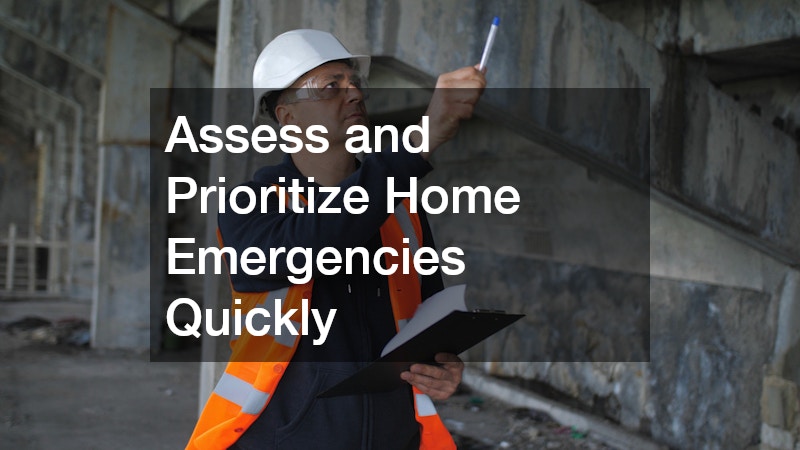
Emergencies can happen without warning. The first step is evaluating their severity and determining the immediate actions necessary to protect your home and family. Creating a quick response plan ensures you can handle problems efficiently without panic.
If you ever find yourself locked out of house, acting quickly and calmly is essential. Always have spare keys stored safely with a friend, neighbor, or in a secure lockbox. When professional help is required, choosing a reputable locksmith is crucial. Avoid breaking windows or forcing entry, as this often leads to additional damage and higher repair costs. For homes with multiple residents, consider a plan where everyone knows the protocol for lockouts, including emergency numbers and backup keys.
Water-related emergencies can escalate fast, especially if you rely on a private water supply. Recognizing early warning signs of a failing water well pump, such as reduced water pressure, strange noises, or intermittent flow, allows you to schedule repairs before a complete breakdown occurs. Temporary measures, such as using stored water for essential needs, can help bridge the gap until professional repairs are completed. Having a local water well company on call ensures timely service and prevents prolonged disruption.
Quick tips for emergency assessment:
- Identify which problems are immediate threats (water leaks, electrical hazards, security issues).
- Keep emergency contacts for locksmiths, plumbers, and other essential services handy.
- Document minor emergencies to track patterns and anticipate future issues.
Create a Practical Maintenance Schedule
Prevention is often more effective than reaction. By scheduling routine maintenance tasks, homeowners can reduce the likelihood of emergencies and extend the life of their equipment and home systems.
For outdoor upkeep, riding lawn mowers are essential tools for keeping your yard well-maintained. Regular maintenance includes checking oil levels, sharpening blades, and inspecting belts. Seasonal storage in a covered area protects the mower from harsh weather and helps avoid unexpected breakdowns during peak mowing periods. A well-maintained mower not only saves money on repairs but also prevents delays in maintaining your lawn, which can contribute to water runoff issues or pest problems if neglected.
Gutters play a critical role in protecting your home’s foundation and roof. Proper gutter installation and periodic cleaning prevent water from pooling around your home or seeping into basements and crawlspaces. Inspect gutters at least twice a year—preferably in spring and fall—and clear leaves, debris, and small blockages to maintain effective drainage. Consider adding guards to reduce debris accumulation and make maintenance easier.
Maintenance checklist ideas:
- Inspect all major appliances and home systems every 6–12 months.
- Check exterior features like gutters, downspouts, and roofing for damage.
- Schedule seasonal maintenance for outdoor equipment and irrigation systems.
Know When to Hire Professionals

While some home tasks are manageable as DIY projects, many require specialized expertise. Knowing when to hire a professional can save you time, money, and frustration.
Bathroom remodeling companies can transform outdated spaces into functional, modern retreats, but attempting large-scale remodels without professional guidance often leads to costly mistakes. Experts handle plumbing adjustments, tile installation, and fixture replacements efficiently, ensuring work meets safety standards and building codes. When selecting a contractor, check references, reviews, and past work to avoid common pitfalls. Clear communication about timelines, budgets, and materials upfront reduces the risk of misunderstandings.
Similarly, kitchen cabinet companies provide valuable expertise in designing, measuring, and installing durable cabinetry. Professional installation ensures doors and drawers operate smoothly, surfaces are properly aligned, and materials are treated for longevity. Even small mistakes, like misaligned cabinets or poor-quality hardware, can affect daily use and diminish your kitchen remodel’s overall value. Choosing a reputable company minimizes these risks and ensures your investment lasts for years.
Hiring tips for homeowners:
- Always get multiple quotes for significant projects.
- Verify licenses, insurance, and customer feedback.
- Ask for written contracts detailing timelines, costs, and warranty coverage.
Maintain Air Quality and HVAC Systems
Air quality and proper ventilation are often overlooked but are critical for health and comfort. Regular maintenance of air ducts and HVAC systems prevents dust, allergens, and moisture buildup, improving indoor air quality.
Air duct cleaners help homeowners maintain a clean and efficient HVAC system. Over time, dust, pet dander, and mold can accumulate inside ductwork, reducing airflow and increasing energy costs. Regular inspections and cleanings, particularly in older homes, prevent these issues. Select a certified service provider and confirm that they use safe, effective cleaning methods.
Lighting service is another key aspect of maintaining a safe and functional home environment. Faulty or outdated lighting not only affects visibility but can also present fire hazards if wiring is compromised. Schedule regular inspections of your home’s electrical system, replace burned-out bulbs, and consider upgrades to energy-efficient fixtures. Preventive care in lighting can save both money and potential emergencies caused by electrical issues.
Air quality and lighting checklist:
- Inspect ductwork annually for leaks or blockages.
- Schedule HVAC tune-ups before peak seasonal use.
- Replace bulbs and fixtures as needed, and ensure all outlets are functional and safe.
Plan Strategic Renovations for Long-Term Value

Strategic home improvements not only enhance daily living but also increase property value. Careful planning ensures upgrades deliver maximum benefit without disrupting your routine.
Kitchen remodels are one of the most impactful ways to modernize a home. Planning the layout, choosing durable materials, and integrating efficient appliances can make your kitchen more functional and appealing. Even minor updates, like backsplashes or countertops, can dramatically improve the aesthetic while adding value. A well-planned remodel considers both immediate enjoyment and long-term resale potential.
Consulting a local water well company for water system upgrades ensures consistent and safe water access. Professionals can advise on well pumps, filtration systems, and maintenance schedules, preventing future emergencies. For homeowners relying on well water, these upgrades are critical to sustaining a healthy and functional household.
Renovation planning tips:
- Set clear goals and priorities for each project.
- Budget for both materials and professional labor.
- Factor in long-term maintenance needs during planning.
Prepare for Seasonal Challenges
Seasonal changes can trigger unexpected emergencies, from frozen pipes in winter to storm-related water damage in spring and summer. Preparing ahead reduces the likelihood of urgent repairs.
Regularly inspecting gutters and downspouts ensures proper drainage during heavy rains. Clogged or damaged gutters can lead to roof leaks, foundation issues, and basement flooding. Seasonal checks, especially before storm seasons, help you identify and fix problems before they escalate. Proper installation and routine care protect both your home and landscaping.
Landscaping and exterior maintenance also play a role in seasonal preparedness. Remove overhanging branches, maintain lawn drainage, and inspect outdoor electrical systems. These preventive steps reduce the risk of storm damage and minimize emergency calls during extreme weather events.
Seasonal prep checklist:
- Inspect roof shingles and flashing.
- Clear gutters and downspouts.
- Trim trees and shrubs near structures.
Build a Home Emergency Toolkit
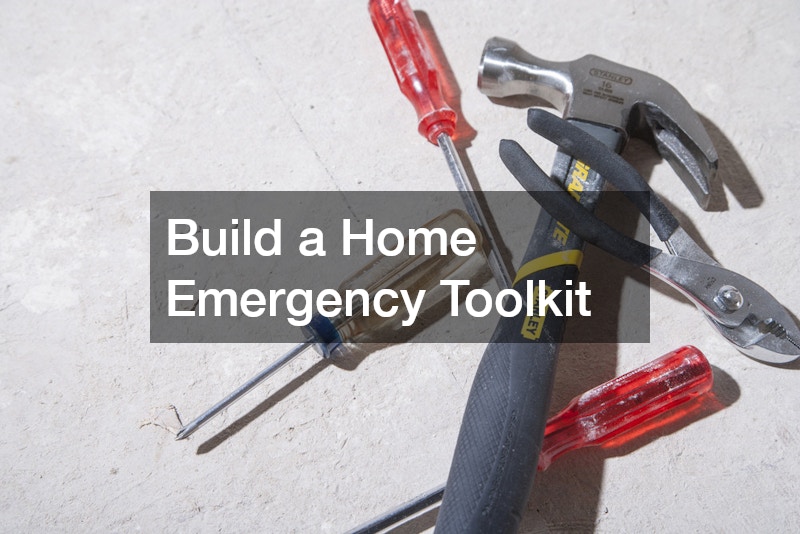
Having the right tools and supplies on hand can make a major difference when a home emergency arises. A well-stocked toolkit allows you to perform temporary fixes and manage minor problems until professional help arrives, helping to prevent further damage and maintain safety. Essentials for mechanical or outdoor tasks, such as spare parts for riding lawn mowers, wrenches, screwdrivers, and basic plumbing tools, are invaluable for handling unexpected breakdowns. Regularly inspecting your tools to ensure they are in good working condition, replacing worn or damaged items, and storing them safely in a designated location make it easy to respond quickly when a situation demands immediate attention. Being prepared with the right equipment reduces stress and allows you to focus on resolving the problem efficiently rather than scrambling for solutions.
In addition to tools, maintaining a set of emergency supplies is equally important. Items such as flashlights, extra batteries, first-aid kits, and a printed or digital list of emergency contacts should be easily accessible. Keeping important manuals, warranty information, and receipts organized ensures you have all necessary documentation at hand for repairs or insurance claims. Consider including items specific to your home’s systems or seasonal challenges, like spare filters for HVAC units or tarps for temporary roof protection. By planning ahead and assembling a comprehensive emergency kit, you empower yourself to handle unexpected problems calmly and effectively, safeguarding your home and family while minimizing disruption to daily life.
Toolkit recommendations:
- Basic hand tools, wrenches, and screwdrivers.
- Spare keys and lockout solutions.
- First-aid kit and emergency contact list.
Budget for Unexpected Repairs and Upgrades
Financial preparation is essential for homeowners who want to handle emergencies without compromising long-term plans. By setting up a dedicated home repair fund, you create a safety net for unexpected issues like plumbing failures, appliance breakdowns, or storm damage. Having this fund allows you to act quickly, prevent small problems from escalating, and reduce stress when emergencies occur. In addition to a repair fund, it’s wise to periodically review your household budget to ensure you are allocating enough resources for both routine maintenance and occasional unexpected expenses, so that urgent repairs don’t derail your overall financial goals.
Unexpected costs, such as water well pump repairs, can be significant if postponed, potentially disrupting daily life and increasing overall repair bills. Setting aside funds ensures you can hire a professional promptly, minimizing downtime and protecting your home’s essential systems. Similarly, budgeting for lighting service or electrical upgrades helps prevent small issues from turning into dangerous and expensive emergencies. Many homeowners find it useful to separate short-term repair funds from long-term renovation savings. This approach maintains financial flexibility, allowing you to invest in planned projects like kitchen remodels or bathroom upgrades while staying prepared for immediate needs. Regularly updating and reviewing both accounts ensures that you are always ready to handle whatever your home requires.
Financial planning tips:
- Allocate a percentage of monthly income for maintenance and emergencies.
- Maintain separate accounts for repair emergencies and planned upgrades.
- Track spending on professional services to forecast future costs.
Document and Track Home Projects and Emergencies
Keeping detailed records of repairs, upgrades, and maintenance improves organization and reduces stress by giving you a clear overview of your home’s history. A well-maintained log allows you to spot recurring issues, track the lifespan of appliances and systems, and anticipate future maintenance needs. This level of organization is especially helpful when emergencies arise, as you can quickly reference past solutions, contact information for professionals, and any warranties that might still be valid. By investing a small amount of time regularly in record-keeping, you can avoid the chaos of unplanned repairs and make informed decisions about which systems or areas may need upgrades or replacement.
When documenting work performed by bathroom remodeling companies or kitchen remodels, include details such as project dates, costs, materials, and contractor warranties. Keeping a centralized record helps you compare services, manage budgets more effectively, and plan future projects with confidence. Beyond day-to-day management, a comprehensive home log adds value if you ever sell your property, as prospective buyers appreciate a well-documented history of care, improvements, and professional work. Additionally, this documentation can support insurance claims in case of damage or disputes with contractors, providing proof of maintenance and upgrades that protect both your investment and your peace of mind.
Documentation tips:
- Use apps, spreadsheets, or journals to record all projects.
- Include receipts, warranties, and photos of completed work.
- Review records annually to prioritize future upgrades.
Handling home emergencies and planning for long-term upgrades requires foresight, organization, and a willingness to act quickly. By assessing emergencies, maintaining key systems, hiring professionals, and documenting your projects, you can protect your home and ensure it continues to meet your needs for years to come. Proactive maintenance, thoughtful renovations, and financial preparation allow homeowners to enjoy both peace of mind and the satisfaction of a well-maintained, functional, and valuable home.