A comfortable home depends on a heating and cooling system that can keep indoor temperatures consistent throughout the year. When an HVAC system begins making unusual noises, struggling to maintain the desired temperature, or cycling more often than usual, it may be time to investigate the cause. Understanding common system problems and knowing when to call a professional can help homeowners respond before a minor issue develops into a more significant concern.
HVAC repair can address a variety of problems, from faulty electrical components to airflow restrictions and mechanical wear. However, not every issue requires the same solution.
Learning more about warning signs, professional services, and preventive care can help homeowners make informed decisions about their heating and cooling systems.
Recognizing Common Warning Signs
HVAC systems often provide clues when something is not working correctly. Paying attention to these changes can help homeowners identify potential problems early.
One common warning sign is inconsistent indoor temperature. If certain rooms are noticeably warmer or cooler than others, the system may have an airflow problem, a malfunctioning component, or an issue with the thermostat. Uneven temperatures can also result from ductwork problems or inadequate insulation, so a professional evaluation may be needed to determine the cause.
Unusual sounds are another reason to pay attention. Banging, grinding, rattling, squealing, or buzzing noises may indicate loose parts, worn components, or electrical concerns. While some systems naturally make sounds while operating, a sudden change in noise should not be ignored.
Homeowners may also notice unusual odors. A persistent burning smell, musty odor, or other unexpected scent can point to an issue that requires attention. Some odors may be related to dust or moisture, while others could indicate an electrical or mechanical problem.
Frequent cycling can also be a concern. If a heating or cooling system repeatedly turns on and off without maintaining the desired temperature, there may be an underlying issue affecting performance.
Understanding What a Professional Inspection Involves
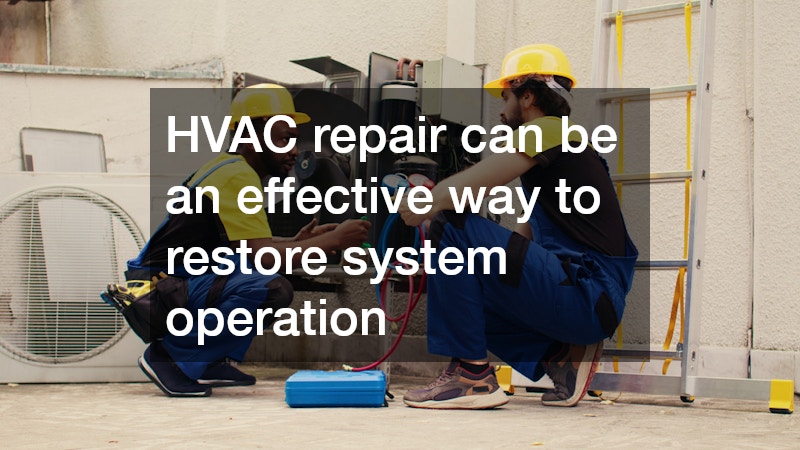
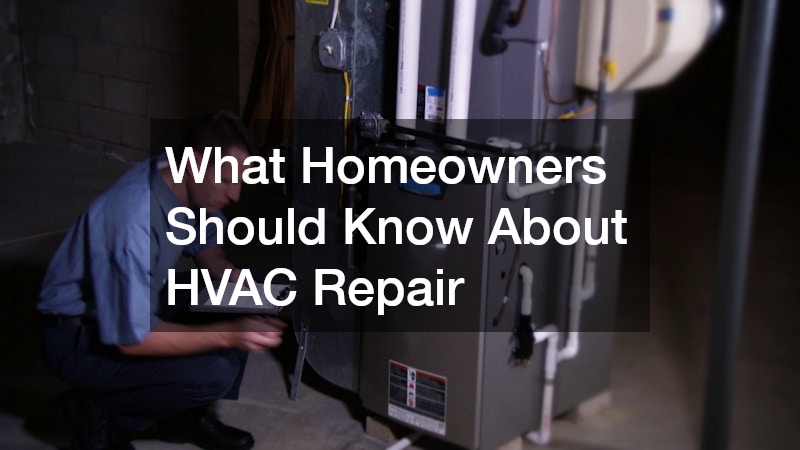
When a system is not operating properly, a qualified technician can inspect the equipment to identify the source of the problem. The process may begin with a discussion about the symptoms homeowners have noticed, including unusual sounds, temperature changes, or changes in operating patterns.
The technician may then examine components such as the thermostat, electrical connections, blower motor, filters, coils, and other parts relevant to the system. Depending on the problem, testing may be necessary to determine whether a component is malfunctioning or whether another factor is affecting performance.
A professional evaluation can also help distinguish between a repairable issue and a larger system concern. For example, replacing a worn component may restore normal operation, while an aging system with repeated problems may eventually require replacement.
Homeowners should ask questions if they do not understand the recommended work. A reputable professional should be able to explain what was found, why the problem occurred, and what options are available.
Knowing When to Call a Professional
Some basic HVAC maintenance tasks are appropriate for homeowners, but more complicated problems should generally be handled by trained professionals. Electrical components, refrigerant-related issues, gas connections, and internal mechanical parts can present safety concerns when handled without the appropriate knowledge or equipment.
A homeowner may be able to replace an accessible air filter or check whether a thermostat is set correctly. However, repeatedly resetting the system without identifying the underlying cause is unlikely to provide a lasting solution.
Prompt HVAC repair may also help prevent additional damage when a system is showing clear signs of trouble. Continuing to operate equipment that is making unusual noises, producing unexpected odors, or failing to maintain temperatures could place additional strain on components.
Homeowners should also consider calling a professional when the system stops working entirely. Rather than attempting to disassemble equipment or troubleshoot unfamiliar electrical or mechanical components, professional service can provide a safer way to identify the problem.
Preparing for a Service Appointment
Homeowners can make a service visit more productive by gathering information before the technician arrives. Write down when the problem began, what symptoms have occurred, and whether anything changed before the issue appeared.
It can also be useful to note whether the problem happens continuously or only under certain conditions. For example, a system may struggle only during especially hot or cold weather, or a noise may occur only when the equipment starts.
Homeowners should also make sure the technician can safely access the relevant equipment. Clearing items away from indoor and outdoor units can make the inspection easier.
Before work begins, ask about the recommended solution and expected costs. Understanding the scope of the service can help prevent confusion and give homeowners an opportunity to consider their options.
An HVAC system plays an important role in maintaining a comfortable indoor environment, and recognizing signs of trouble can help homeowners respond appropriately. Unusual sounds, inconsistent temperatures, strange odors, and frequent cycling are all reasons to investigate potential problems rather than assuming they will resolve on their own.
HVAC repair can be an effective way to restore system operation when a specific component or issue is responsible for poor performance. However, homeowners should consider the system’s age, repair history, and overall condition when deciding how to move forward. Professional evaluations, routine maintenance, and timely attention to warning signs can all contribute to reliable heating and cooling.
By understanding how their system operates and knowing when professional assistance is appropriate, homeowners can make more informed decisions about maintaining comfort and protecting their HVAC investment.