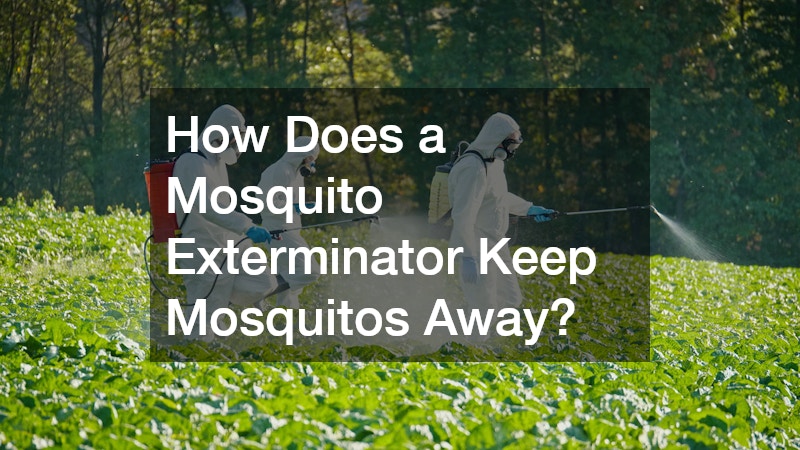
Understanding the strategies and technologies employed by mosquito exterminators is crucial for effectively managing mosquito populations and ensuring a more comfortable living environment.
1. What Methods Do Mosquito Exterminators Use?
Mosquito exterminators employ a variety of techniques to control and reduce mosquito populations. One common method involves the use of insecticides, which are sprayed in strategic areas to eliminate adult mosquitoes.
Insecticides may be applied as mists or fogs to cover large areas effectively and are often chosen for their quick action in reducing mosquito numbers. Additionally, biological control methods, such as introducing natural predators like dragonflies or using bacteria that target mosquito larvae, are gaining popularity due to their eco-friendly nature. Integrated pest management is crucial, combining various techniques to maximize effectiveness while minimizing environmental impact.
Larviciding is another method commonly used by exterminators to target mosquitoes early in their life cycle. This approach involves treating areas of standing water, where mosquitoes lay their eggs, with substances that prevent larvae from developing into adults. Biological larvicides, such as Bacillus thuringiensis israelensis (Bti), are often favored because they specifically target mosquitoes without harming other aquatic life. Larviciding is a proactive measure, focusing on prevention rather than solely reacting to adult mosquito infestations. By eliminating mosquito breeding grounds, this technique can significantly reduce the number of mosquitoes before they become a nuisance.
Some mosquito exterminators also use mechanical methods to control mosquito populations. These include installing insect traps that attract and capture mosquitoes, helping to reduce their numbers in specific areas. Furthermore, removing standing water and promoting landscape management can help eliminate breeding sites. Mosquito nets and screens for windows and doors are effective physical barriers that prevent mosquitoes from entering homes. Each of these methods plays a role in creating a comprehensive mosquito control strategy tailored to the specific needs and conditions of each area.
2. How Effective Are Mosquito Extermination Services?
Mosquito extermination services have proven highly effective in reducing mosquito populations, particularly when multiple methods are integrated into a cohesive strategy. The application of targeted insecticides can quickly diminish mosquito numbers, providing immediate relief from bites and reducing the risk of mosquito-borne diseases. Consistent use of larvicides can sustain these results over time by preventing new generations of mosquitoes from emerging. When combined with habitat management and public education, these services can significantly impact community health. Regular assessment and adaptation of strategies ensure long-term efficacy and address any emerging mosquito resistance or changes in population dynamics.
However, the effectiveness of mosquito extermination can vary based on several factors, including environmental conditions and the specific species of mosquitoes present. Certain weather conditions, such as heavy rains, can create additional breeding sites and require ongoing attention. Exterminators must understand the local mosquito species’ behavior and habitat preferences to tailor their methods effectively. This adaptability is key to ensuring that extermination efforts remain effective even in changing circumstances. Stakeholder cooperation, including efforts by homeowners to maintain their properties, often enhances the success of professional extermination services.
Feedback from communities using mosquito extermination services often points to a noticeable decrease in mosquito-borne disease incidence and an improved quality of life. Professional services can drastically reduce the prevalence of mosquitoes, leading to fewer interruptions in outdoor activities and less discomfort from bites. Despite initial costs, the long-term benefits in terms of health outcomes and a more pleasant living environment underscore the value of these services. A collaborative approach between exterminators, local governments, and residents can maximize the effectiveness and reach of mosquito control programs. When everyone plays a part, the results can be transformative.
3. What Are the Benefits of Hiring Professional Exterminators?
One of the primary benefits of hiring professional mosquito exterminators is their expertise and access to specialized tools and chemicals. Trained technicians bring a wealth of knowledge about pest management strategies, which they apply to effectively target and eliminate mosquito populations. Professionals can quickly assess a situation, identify mosquito breeding sites, and choose the most appropriate methods for control. They also have access to advanced equipment that enhances the effectiveness of treatments, such as motorized sprayers that allow for thorough coverage of large areas. This expertise represents a significant advantage over do-it-yourself methods, which may lack precision and effectiveness.
In addition to their technical expertise, professional exterminators offer peace of mind by ensuring that mosquito management is performed safely and effectively. By understanding and adhering to regulations surrounding pesticide use, professionals protect homeowners and the environment from potential hazards. They are also equipped to address varying mosquito species that might have different life cycles and ecological impacts. Engaging with professionals helps to avoid potential health risks associated with improper treatment applications. Therefore, homeowners can rest assured knowing that effective and safe mosquitos control strategies are being implemented.
Moreover, professional exterminators offer customized solutions that address the specific needs of each property and its surrounding environment. By conducting thorough site inspections, they tailor their strategies to fit the unique landscape features and mosquito habitats present. This individualized approach ensures maximum efficiency, reducing mosquito populations while minimizing harm to other beneficial organisms. Furthermore, ongoing services and follow-up visits help maintain mosquito control over time, adjusting methods as needed. Communication and collaboration between exterminators and clients foster an informed and proactive approach to mosquito management, thus enhancing the overall effectiveness of the service.
4. Are There Any Health Risks or Concerns?
While mosquito extermination services are generally safe when performed by trained professionals, there are potential health risks and concerns associated with the use of chemical insecticides. Chemicals used in mosquito control can be toxic if handled improperly, posing risks to humans and other non-target organisms. Professionals are trained to apply these substances in a controlled manner, minimizing human exposure and environmental impact. Proper application techniques, such as careful measurement and targeted spraying, help mitigate any potential risks. It’s important to communicate with professional exterminators who can provide information on the products used and safety measures in place.
In addition, public concerns often center around the environmental impact of widespread insecticide use. Overuse or incorrect application can lead to pesticide resistance among mosquito populations, rendering some treatments less effective over time. Non-chemical methods and integrated pest management practices offer alternatives that can complement chemical control, providing a more sustainable approach. Exterminators may suggest environmentally friendly solutions, such as habitat modification and biological controls, to address these concerns. Through collaboration and transparency, the public and professionals can reduce health impacts while effectively managing mosquito populations.
On the other hand, the risks posed by uncontrolled mosquito populations, such as the spread of diseases like West Nile virus and Zika virus, often outweigh the potential downsides of professional extermination services. While it’s crucial to manage chemical use responsibly, the benefits of pest management in protecting public health are significant. Awareness and education play vital roles in ensuring that mosquito control benefits are maximized while risks are minimized. Professionals contribute valuable expertise in balancing effective mosquito management with safety, ensuring communities enjoy the benefits of pest-free environments without undue harm. Open communication and informed choices are key to successful mosquito control efforts.
5. What Can Homeowners Do to Complement Extermination Efforts?
Homeowners play a vital role in supporting mosquito extermination services by actively maintaining their properties to prevent mosquito breeding. Standing water, even in small amounts, can serve as a breeding ground for mosquitoes. Regularly draining or covering water-holding containers, such as plant saucers, birdbaths, and clogged gutters, can significantly reduce mosquito breeding sites. Maintaining pools and water features, through use of appropriate chlorination or other treatments, also helps diminish suitable habitats for mosquitoes. Proactive measures taken by homeowners complement the efforts of professionals, contributing greatly to effective mosquito management throughout the community.
Additionally, homeowners can enhance their property by landscaping with plants that naturally repel mosquitoes. Planting varieties such as lavender, citronella grass, and basil can create an inhospitable environment for mosquitoes while adding aesthetic appeal to gardens. Implementing mosquito-repellent plants complements physical barriers like screens and nets, thereby strengthening overall mosquito defenses. Strategic landscape design, which includes trimming overgrown vegetation and ensuring proper drainage, also plays a role in reducing mosquito habitats. Creating such an environment helps to naturally deter mosquitoes, working hand-in-hand with professional extermination services to control mosquito populations.
Finally, community engagement and education are essential for long-term mosquito management. Homeowners can participate in community programs aimed at mosquito awareness and prevention, sharing knowledge on best practices for reducing mosquito habitats. Collective efforts, such as neighborhood clean-up days to eliminate potential breeding sites, can amplify individual actions, leading to broader community impact. Through cooperation and resource sharing, residents can form action groups that support public health initiatives spearheaded by local authorities and extermination services. Informed communities tend to adopt better habits and make informed decisions, driving collective success in the battle against mosquitoes.
Through understanding the methods and benefits of mosquito extermination, individuals and communities can better protect themselves and reduce the prevalence of these persistent pests, contributing to an improved quality of life. Professionals offer tailored solutions and the assurance of safety and expertise, complementing the efforts of vigilant homeowners and engaged communities. Together, these collaborative efforts form a comprehensive strategy that targets immediate mosquito threats while fostering sustainable, long-term management practices.