
Acquiring a home through an inheritance or an estate sale represents a unique path to homeownership. For first-time buyers, it offers a rare opportunity to bypass competitive suburban bidding wars or secure a property with substantial built-in equity. However, step into an estate home, and you immediately realize it is rarely a standard transaction. These properties carry history, decades of accumulated possessions, and often long stretches of deferred maintenance.
Navigating this process requires a practical mindset that balances legal diligence, structural safety, and financial planning. Rather than treating the acquisition like a move-in-ready purchase, successful buyers approach an estate as a multi-stage restoration project. By systematically evaluating the structure, addressing overdue utility maintenance, and revitalizing interior spaces, you can transform a neglected dwelling into a safe, modern, and high-value home.
Navigating the Initial Legal and Financial Landscape

Before turning a single key or picking up a paintbrush, you must verify that the legal foundation of the transfer is entirely secure. Estate transactions involve court proceedings and administrative steps that differ significantly from standard private sales. Whether you are inheriting the property directly from a family estate plan or purchasing it from a court-supervised probate sale, clearing title issues is your first mandatory hurdle.
Work closely with a real estate attorney or title officer to conduct a thorough search for hidden encumbrances. Estate properties frequently carry outstanding debts, such as unpaid municipal utility bills, secondary mortgages, contractor liens, or delinquent property taxes. Ensure that all debts are settled out of the proceeds of the estate before final ownership transfers to your name. Additionally, confirm that the executor or estate representative possesses the full legal authority to sign deed transfers, preventing future claims from contested heirs.
Securing adequate insurance coverage is another immediate priority. Standard homeowner policies often become void if a dwelling remains unoccupied for more than thirty consecutive days. If the property will sit empty while you finalize probate details or organize major repairs, you must purchase a dedicated vacant property insurance policy. This specialized coverage protects your investment against risks like vandalism, fire, pipe bursts, and storm damage during the transitional phase.
Legal and Financial Action Items
-
Request a formal title commitment report to spot lingering liens, easements, or encroachments before closing.
-
Verify that the legal entity or executor overseeing the estate holds active court letters of authority.
-
Transition insurance policies to vacant home coverage immediately upon taking possession to avoid gaps in protection.
-
Consult a local tax professional regarding the step-up in basis for inherited real estate to understand future capital gains implications.
Clearing Out Decades of Clutter and Debris
Once legal rights are established, your primary physical challenge is managing the contents left behind. Estate homes are notorious for housing decades of personal belongings, old paperwork, and heavy, outdated furniture. Attempting to renovate around these items is inefficient and dangerous, making a comprehensive cleanout your first major operational goal.
When tackling a full-home cleanout, standard residential trash collection simply will not suffice for the sheer volume of material. Renting roll off dumpsters allows you to dispose of unsalvageable carpets, water-damaged furniture, and decades of accumulated household debris in a single, organized effort. Having a large container staged right in the driveway keeps work areas clear, streamlines structural teardowns, and speeds up the entire cleanout timeline.
After the bulk items and discarded materials are removed, turn your attention to hidden health hazards that often develop in quiet, vacant structures. Homes that sit vacant for extended periods during probate frequently attract unwanted pests such as mice, termites, or carpenter ants. Hiring a professional pest control service ensures that the home is thoroughly inspected, treated, and sealed before you move new furniture into the space or open up walls for remodeling work.
Estate Cleanout Priorities
-
Create a three-pile organization system in the home: items to preserve for sentimental value, items to sell or donate, and unsalvageable trash.
-
Secure valuable personal papers, such as military records, birth certificates, tax documents, and photo albums, in lockable plastic containers immediately.
-
Hire an estate liquidation professional if the property contains high-value antiques, collections, or vintage tools that could generate renovation capital.
-
Clear high-traffic pathways first to allow contractor access and reduce trip hazards throughout hallways and staircases.
Evaluating Hidden Utilities and Off-Grid Systems
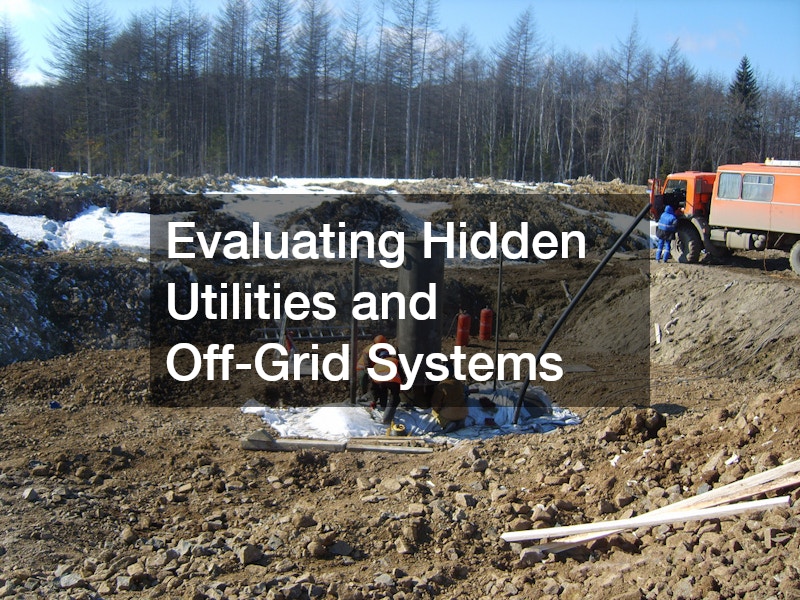
With the interior cleared, shifting focus to critical infrastructure protects you from sudden, expensive system failures. Many older estate properties, particularly those situated in semi-rural or older suburban neighborhoods, rely on self-contained utility setups that require specialized evaluation.
If the estate relies on private groundwater rather than a municipal supply, testing and restoring the water system is an essential first step. Scheduling a specialized well service will ensure that the pump operates efficiently, the pressure tank holds proper pressure, and the water is completely free from harmful bacteria or heavy minerals. Running comprehensive water quality panels protects your health and prevents mineral scale from ruining newly installed plumbing fixtures.
Similarly, on-site wastewater management demands immediate professional attention before you subject the system to daily household use. Underground waste management systems can deteriorate rapidly when left dormant or overused without routine care. Engaging reliable septic pumping services allows you to empty the tank, evaluate the structural integrity of the concrete or plastic baffles, and verify that the drain field is functioning without costly blockages.
Utility Inspection Checklist
-
Test the main water shutoff valve immediately to ensure it closes completely during emergency repairs.
-
Arrange a laboratory water quality test covering lead, nitrates, coliform bacteria, and total dissolved solids.
-
Have an electrician inspect the main breaker panel to verify it meets current amperage codes and lacks dangerous legacy components like push-matic breakers or aluminum wiring.
-
Service the main HVAC unit, replacing clogged air filters, inspecting heat exchangers for cracks, and clearing condensate drain lines.
Modernizing the Interior for Comfortable Living
Once utilities are safe and operational, you can shift your budget toward interior updates that improve daily living conditions and add immediate aesthetic value. Older estate homes frequently feature dark wood paneling, heavy drapery, and nicotine-stained walls that make interior spaces feel small and outdated.
A fresh coat of paint is one of the most cost-effective ways to modernize an older property and eliminate lingering odors. Working with a skilled local painting contractor can save you countless hours of intense prep work, drywall patching, and priming, giving the home a clean and contemporary backdrop. Professional painters possess the heavy-duty stain-blocking primers necessary to seal over decades of smoke, water stains, or yellowed enamel paint.
Before rushing out to replace all existing kitchen equipment, take stock of the mechanical systems currently in place. Older estate homes often feature solid, older-vintage kitchen and laundry units that may only require minor adjustments to function properly. Investing in targeted appliance repair can extend the life of these existing units and keep thousands of dollars in your pocket during an already expensive transition.
Interior Renovation Upgrades
-
Pull up old, worn carpet to check if original hardwood flooring resides underneath; refinishing existing wood is often cheaper than buying new flooring.
-
Replace outdated wall outlets, light switches, and cover plates with modern decora-style components for an instant visual upgrade.
-
Swap heavy, light-blocking window treatments with modern blinds or simple sheer curtains to maximize natural daylight.
-
Refresh outdated wooden kitchen cabinets by replacing old brass handles with modern brushed nickel or black hardware.
Securing the Envelope and Enhancing Exterior Safety

Protecting the structural shell of your house ensures that interior updates remain safe from environmental deterioration. Weather resistance, proper drainage, and perimeter security are foundational elements that directly affect the long-term value of your real estate investment.
Protecting the structural shell of an inherited home begins at the top, where deferred maintenance often leads to quiet leaks. Partnering with reputable residential roofers will help you identify missing shingles, deteriorating flashing, or underlying deck rot before indoor living spaces sustain severe water damage. A structural roof evaluation also provides essential paperwork required by insurance companies when establishing permanent home policies.
Extending your focus to the property line protects both your privacy and your financial boundaries. Securing the perimeter of the property improves both security and curb appeal, particularly if the yard has suffered years of neglect. Tackling necessary fence repair restores privacy, deters trespassers, and provides a safe, contained space for children or pets from day one.
Exterior Maintenance Checklist
-
Clean out clogged rain gutters and install downspout extensions to move stormwater at least five feet away from foundation walls.
-
Trim back overgrown tree branches hanging within ten feet of the roofline to prevent storm damage and keep pest pathways clear.
-
Inspect exterior grading around the foundation to ensure soil slopes downward and away from the basement or crawlspace walls.
-
Check exterior lighting fixtures, installing energy-efficient LED motion lights near entry doors and garage bays.
Finalizing the Transition and Making It Yours
As major repair projects wrap up, focus turns toward fine-tuning the home’s mechanical performance and coordinating your final move. This phase ensures that daily routines run smoothly without frustrating plumbing or operational surprises.
Plumbing systems in long-vacant properties can accumulate dried debris, mineral scale, and grease that cause slow draining or backup issues. Utilizing specialized drain line cleaners or professional hydro-jetting services clears these stubborn blockages before you put heavy daily demands on the pipes. Clearing main lines early prevents embarrassing backing incidents during your first weeks in the home.
With functional repairs complete and clean living conditions established, you can safely bring your personal belongings into the home. Coordinating the physical transition from your current residence into the updated estate requires careful scheduling and heavy lifting. Booking a reliable moving company early in the process ensures your personal belongings arrive safely without disrupting your ongoing renovation timeline.
Move-In Preparation Steps
-
Rekey all exterior deadbolts and install new smart locks on primary entry points on closing day.
-
Locate and clearly label every circuit in the electrical panel to simplify future troubleshooting.
-
Transfer municipal trash, electricity, natural gas, and water services directly into your name to avoid service disruptions.
-
Install new smoke alarms and carbon monoxide detectors on every level of the home and inside all bedrooms.
Building Equity and Comfort in Your New Home

Transforming an inherited or estate property into a comfortable, personalized primary residence is one of the most rewarding journeys a first-time homebuyer can experience. While the process demands patience, detailed planning, and structured investment, the sweat equity you build along the way provides unmatched financial stability. Beyond the balance sheet, restoring a legacy home fosters a deep, personal connection to the structure itself. Every room you modernize and every system you restore becomes a testament to your hard work, turning unfamiliar square footage into a sanctuary tailored precisely to your family’s needs and lifestyle.
For first-time buyers, the real estate market can often feel overwhelming, defined by bidding wars and inflated purchase prices for cookie-cutter layouts. Taking on an estate property completely flips that dynamic. It gives you immediate leverage over your living environment and the trajectory of your wealth. By prioritizing critical repairs early and tackling cosmetic enhancements over time, you build significant equity that would take decades to achieve in a standard turnkey purchase. This deliberate, methodical approach shields your budget from unexpected shocks while ensuring every dollar spent adds measurable, long-term market value to your asset.
By systematically addressing legal clearances, clearing debris, verifying utility systems, updating interior spaces, and securing the exterior envelope, you turn potential liabilities into lasting assets. Estate properties carry stories, character, and craftsmanship that modern construction rarely replicates—qualities that deserve to be preserved and revitalized. Take the project step by step, celebrate small milestones, and enjoy the pride that comes with giving a historic estate a vibrant new chapter. As you settle into your refreshed space, you are not just living in a house; you are stewarding a property with a rich history into a bright, secure future.
Ultimately, the effort you invest today establishes a permanent foundation for your financial independence. What began as a daunting checklist of inspections and cleanouts transforms into a place where new memories are made. With clarity of purpose, smart budgeting, and a commitment to quality, you can navigate this unique path with complete confidence and transform a piece of history into the home of your dreams.