Buying a home is one of the largest financial decisions most people make, and a property that looks perfect during a short showing may have issues that are not immediately obvious. Fresh paint, attractive landscaping, updated fixtures, and staged furniture can make a property feel move-in ready, but they do not necessarily reveal the condition of the systems and structures behind the scenes.
A careful assessment can help buyers understand what they are actually purchasing. From the roof and exterior walls to plumbing, heating, cooling, moisture control, and outdoor features, every part of a property can affect future expenses. Taking time to investigate these areas before making a final decision can also provide useful information for negotiations and budgeting.
Whether you are purchasing your first property or preparing to move into a different home, the following steps can help you evaluate its condition more thoroughly.
Start With the Property’s Overall Condition
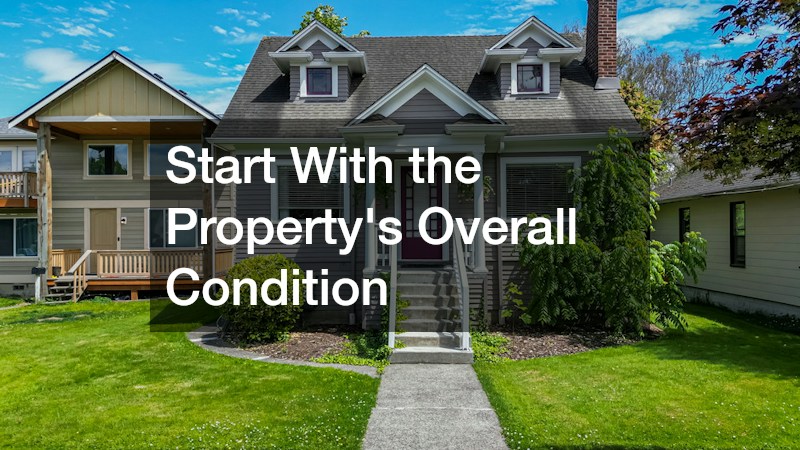
Begin with a methodical walkthrough rather than relying on your first impression. A beautiful kitchen or spacious living room may attract attention, but buyers should also look for signs of deferred maintenance, aging systems, and issues that could become costly later.
If you are comparing several homes for sale, use the same checklist for each property. Consistency makes it easier to compare conditions and potential costs rather than allowing one property’s staging or cosmetic upgrades to influence your assessment.
During your walkthrough, pay attention to:
- Cracks in walls, ceilings, floors, or foundations
- Stains or discoloration that could indicate previous water damage
- Doors and windows that do not open, close, or lock properly
- Uneven floors or noticeable changes in floor height
- Signs of pests or pest damage
- Unusual odors, particularly musty or sewage-like smells
- Evidence of recent repairs that may warrant additional questions
- Areas that appear freshly painted or covered without an obvious explanation
Take photographs and notes as you move through the property. It is easy to forget details after visiting several houses, particularly when you are comparing properties on different days.
Examine the Roof Before Focusing on Interior Features
The roof protects virtually everything underneath it, so its condition deserves careful attention. Buyers should inspect the roof from the ground during an initial visit, although a professional evaluation may be necessary to identify problems not visible from below.
Look for missing, cracked, curled, or damaged roofing materials. Pay attention to areas around chimneys, vents, skylights, and other roof penetrations, as these locations are often vulnerable to leaks. Sagging sections may also indicate a more serious structural or moisture-related problem.
Ask the seller or real estate agent:
- How old is the roof?
- Has it been repaired or partially replaced?
- Are there warranties or receipts for previous work?
- Have there been any known leaks?
- Has water damage occurred in the attic or upper floors?
A roofing contractor can provide a more detailed evaluation when the roof’s age or condition raises concerns. Buyers should also inspect accessible attic areas for staining, damp insulation, damaged wood, or evidence of previous leaks.
Not every roof issue requires immediate replacement. Some problems may be addressed through routine maintenance or targeted roof repairs. Understanding the difference is important because replacing a roof can represent a substantial expense, while smaller issues may be manageable after closing.
Check Exterior Walls, Siding, and Drainage
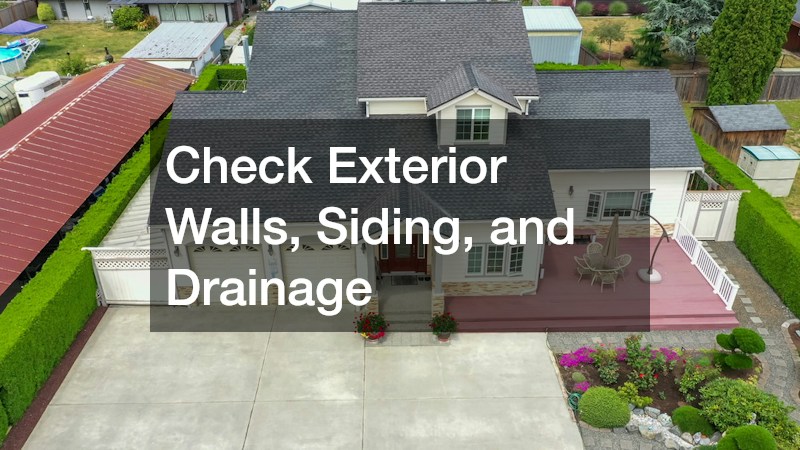
The exterior of a house provides important clues about how well the property handles weather and moisture. Walk around the entire structure instead of inspecting only the front of the home.
Look for cracks, bulges, staining, warped materials, and areas where exterior components appear separated. Pay particular attention to locations where siding meets windows, doors, the roofline, and the foundation.
Poor drainage can create problems even when the exterior initially looks attractive. Check whether the ground slopes away from the foundation and whether gutters direct water away from the house.
Also inspect:
- Downspouts and their discharge locations
- Areas beneath exterior faucets
- Window and door frames
- Foundation walls
- Exterior caulking
- Decks, stairs, and railings
- Retaining walls and other structures near the house
Damaged siding can allow water to reach underlying materials. If extensive deterioration is present, siding installers may be able to identify whether individual sections can be repaired or whether replacement would be more appropriate.
Test Plumbing Fixtures and Look for Water Damage
Plumbing problems are sometimes difficult to identify during a quick showing. A house may have attractive bathrooms and a recently renovated kitchen while still having leaks, drainage problems, or aging components.
When permitted, turn on faucets throughout the house. Check the water pressure and observe how quickly water drains from sinks, tubs, and showers. Flush toilets and watch for unusual movement, persistent running, or signs of leakage.
Look underneath sinks for:
- Moisture or standing water
- Corroded pipes
- Water stains
- Damaged cabinet materials
- Mold-like discoloration
- Temporary-looking repairs
Do not overlook ceilings and walls below bathrooms or plumbing fixtures. Brown or yellow staining may indicate a previous or ongoing leak.
Ask about the water heater’s age and whether it has received regular maintenance. You can also ask whether the property has experienced frozen pipes, sewer backups, recurring leaks, or other plumbing incidents.
Professional plumbing services may be appropriate when a property has unexplained water damage, low pressure, recurring drainage problems, or visible deterioration. Getting an estimate before purchasing can help you determine whether a problem is minor or potentially expensive.
Evaluate Heating and Cooling Performance

A comfortable interior does not necessarily mean the heating and cooling equipment is in good condition. Major HVAC equipment can be expensive to repair or replace, making its age and condition important considerations for buyers.
If possible, test the heating or cooling system during your visit. Listen for unusual sounds and notice whether the equipment cycles normally. Walk through different rooms to determine whether temperatures appear reasonably consistent.
Ask about:
- The age of the furnace, heat pump, or air conditioner
- Previous repairs
- Maintenance schedules
- Equipment warranties
- Energy-efficiency upgrades
- The date of the most recent professional service
Check accessible vents and registers for excessive dust or visible damage. Also, look at accessible ductwork for gaps or deterioration.
Professional HVAC services may be useful when equipment is older, performance appears inconsistent, or the seller cannot provide maintenance records. Even if the system works during the showing, an aging unit may represent a significant future expense.
Schedule Professional System Evaluations
A standard home inspection provides an important overview, but buyers should understand that inspectors may recommend additional evaluations when they identify specific concerns.
For example, an inspector who notices unusual HVAC behavior may recommend that a qualified specialist conduct HVAC inspections. A concern involving the roof, foundation, electrical system, septic system, or moisture intrusion may similarly justify a specialized assessment.
Do not treat an inspection report as simply a list of repairs. Read the explanations carefully and distinguish between:
- Immediate safety concerns
- Active damage
- Maintenance recommendations
- Aging components
- Cosmetic issues
- Potential future expenses
Ask questions when terminology is unclear. Buyers should understand what a reported issue means, how serious it may be, and whether additional investigation is recommended.
Investigate Moisture and Potential Mold Problems
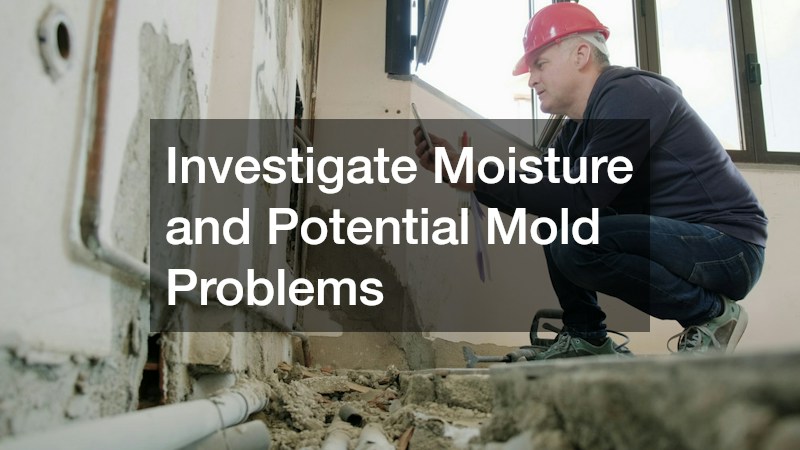
Moisture deserves special attention because it can affect multiple areas of a property. During a walkthrough, look for musty odors, staining, bubbling paint, warped flooring, damaged drywall, and discoloration around windows or plumbing fixtures.
Basements, crawl spaces, bathrooms, kitchens, and areas around exterior doors are particularly important places to examine. Look for signs that water may have previously entered the property, even if the visible damage has been repaired.
Ask the seller about:
- Previous flooding
- Roof or plumbing leaks
- Basement water
- Drainage problems
- Water remediation
- Insurance claims involving water damage
- Repairs related to moisture
Visible growth should not automatically be treated as an isolated cleaning issue. If moisture is still entering the building, removing the visible material without addressing the source may not resolve the underlying problem.
Mold inspection services may be appropriate when there are persistent odors, unexplained moisture problems, visible concerns, or a history of water intrusion. Buyers should also understand that an inspection is most useful when it helps identify the source and extent of a potential moisture problem.
Investigate Septic and Wastewater Systems
Buyers should determine how wastewater is handled before purchasing a property. Some homes connect to municipal sewer systems, while others depend on private septic systems.
If the property has a septic system, request available records regarding installation, pumping, maintenance, repairs, and previous inspections. Ask where the tank and drain field are located and whether there are known restrictions on landscaping, construction, or vehicle access in those areas.
Watch for warning signs such as:
- Slow drains throughout the house
- Sewage odors
- Unusually wet ground
- Exceptionally lush vegetation in one area
- Sewage backups
- Standing water near the drain field
A lack of obvious symptoms does not necessarily prove that a septic system is functioning properly. Septic inspections can provide additional information about the tank, related components, and overall system condition before a purchase is finalized.
Assess Outdoor Features and Future Maintenance
Outdoor spaces can add significant appeal to a property, but they can also introduce maintenance obligations. Walk around the entire property and inspect patios, walkways, decks, fences, retaining walls, and other exterior features.
Look for cracks, shifting surfaces, drainage problems, loose railings, deteriorating materials, and areas where water collects. Consider whether existing landscaping will require substantial maintenance or whether trees and vegetation could create future problems.
If you are considering changes to the property after purchasing it, think about the likely cost and scope of those improvements. Patio builders may be able to help with new outdoor living spaces, but buyers should first determine whether the existing property has drainage, grading, or structural issues that need attention.
Ask yourself:
- Is the outdoor space functional for your needs?
- Will it require immediate repairs?
- Does water drain away from structures?
- Are trees or roots creating potential concerns?
- Are retaining walls stable?
- Will landscaping require significant ongoing maintenance?
An attractive yard should be evaluated just as carefully as an attractive kitchen.
Compare Repair Costs With the Property’s Value
Once you have completed your walkthrough and inspections, create a prioritized list of potential expenses. Avoid treating every issue as equally important.
A cracked bathroom tile and an aging roof may both appear on an inspection report, but they have very different implications for your budget.
Organize findings into categories such as:
- Safety and structural concerns
- Active water or moisture problems
- Major system repairs
- Near-term maintenance
- Cosmetic improvements
- Long-term replacement needs
Obtain estimates for major work whenever possible. A professional estimate gives you a better understanding of the property’s actual financial requirements than a general assumption based on an inspection comment.
Also consider the remaining life of major systems. A functioning water heater that is several years old is different from a recently installed unit. The same principle applies to roofs, heating and cooling equipment, siding, windows, and other major components.
Ask the Right Questions Before Making an Offer
Good questions can uncover information that is not apparent during a property tour. Before making an offer, ask about the property’s maintenance history and previous repairs.
Useful questions include:
- When were the major systems installed?
- Have there been significant repairs or renovations?
- Were permits obtained for major projects?
- Has the property experienced flooding or water intrusion?
- Have there been insurance claims related to the property?
- Are there warranties for recent work?
- Are there known structural, drainage, or moisture concerns?
- What maintenance has been performed recently?
- Are there homeowner association requirements affecting the property?
Request documentation when appropriate, particularly for expensive repairs or recent replacements. Receipts, warranties, permits, and maintenance records can help verify what work was performed and when.
Use the Inspection Period Strategically
If your purchase agreement includes an inspection period or contingency, use that time efficiently. Schedule inspections promptly to allow time to review reports, obtain estimates, and address questions.
If the general inspection identifies a concern, consider whether a specialist should evaluate it. This might involve a roofing professional, plumber, HVAC specialist, environmental professional, or septic professional, depending on the issue.
When reviewing findings, focus on evidence rather than assumptions. A professional estimate can help determine whether an issue is likely to cost hundreds, thousands, or substantially more to address.
Depending on the purchase agreement and applicable laws, buyers may have options such as requesting repairs, negotiating a credit, adjusting other terms, or reconsidering the transaction. Discuss contractual questions with the appropriate real estate or legal professional.
Most importantly, do not allow excitement about a property to discourage reasonable due diligence. An inspection period exists to give buyers an opportunity to learn more about the property before completing the purchase.
The most useful approach is systematic. Walk through the property carefully, document concerns, ask questions, review available records, and bring in qualified professionals when specialized knowledge is needed. Most importantly, understand the potential costs associated with both immediate repairs and future maintenance.
A property does not have to be flawless to be a good fit. What matters is knowing its condition, understanding the financial responsibilities that come with it, and making a purchase decision based on a realistic picture of what ownership will involve.